S13, S14 or S15: The Australian S-Chassis Buyer's Guide (Parts Availability, Prices, Rust Spots)
6 min read
The quick answer: buy the shell, not the engine. Every mechanical part of an S-chassis can be bought, swapped or rebuilt from parts that are still available in Australia; a rusty or crash-rippled shell cannot be fixed for sensible money. In 2026 that means a rough but honest S13 typically costs $12,000-$20,000, a tidy 180SX or S14 $20,000-$35,000, and S15s run roughly $30,000-$50,000+ with Spec Rs at the top. Here is how the three generations differ, what parts supply looks like for each, and exactly where they rot.
Why the S-chassis still makes sense
Thirty-plus years of continuous drift development means the Silvia platform has the deepest aftermarket of any drift car sold in Australia. Every arm, knuckle, rack, subframe bush, turbo manifold and body panel exists as new aftermarket, reproduction or secondhand. The cars are simple, the geometry responds to cheap changes, and every setup question you will ever have was answered by someone a decade ago. You pay for that maturity in purchase price now, but you get it back in never being stuck.
S13 and 180SX (1988-1998)
The Silvia S13 coupe and the 180SX hatch share a floorpan and most mechanicals. Australian-delivered S13s were sold here as the CA18-powered Silvia in small numbers, but the overwhelming majority of cars in the country are Japanese imports, CA18DET early and SR20DET later, with the 180SX running in Japan all the way to 1998. The SR20DET buyer's checklist is the one to take to an inspection.
What to pay: rough drift-spec cars typically $12,000-$20,000; clean unmolested 180SXs have crossed $30,000 and keep climbing, especially late-model Type X cars.
Parts picture: best of the three secondhand because so many were parted out over the years, but that supply is thinning fast. Mechanical and drift parts are no problem at all. Body and trim are the pain: front guards, sideskirts, Type X aero and interior plastics now cost silly money. Anything described in our rare S-chassis parts rundown should be treated as buy-when-you-see-it.
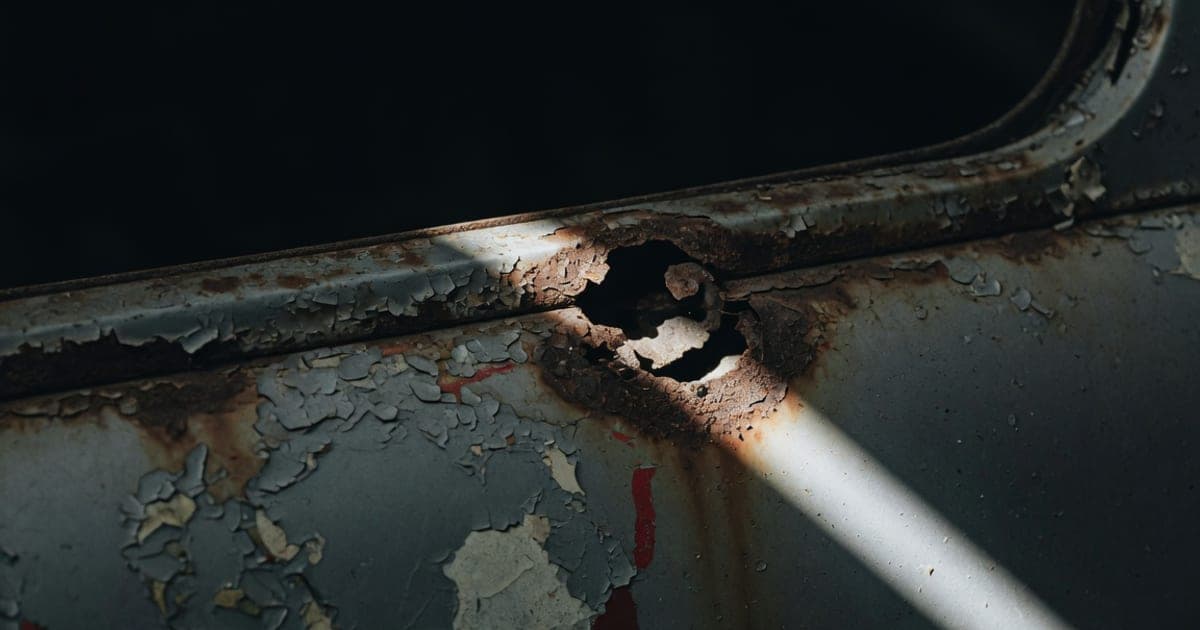
Rust spots, check every one: rear quarter panels and wheel arch lips, sills under the plastic skirts, boot floor and around the taillight panel (both body styles leak), windscreen surround under the trim, chassis rails and jacking points, strut tower seams, and the battery tray area. A magnet and a torch under the boot carpet tell you more than any seller description. Walk away from structural rail rust; everything else is a price negotiation.
S14 (1994-1998)
The S14 grew wider and sits on a slightly longer wheelbase, which makes it the most stable and arguably best-driving stock chassis of the three. Australia got ADM S14s (the 200SX) with the SR20DET from the factory, which matters: a compliance-friendly, Australian-delivered turbo Silvia. Series 1 (zenki) has the slim headlights; the 1996 facelift (kouki) brought the aggressive slanted lights everyone wants now.
What to pay: typically $18,000-$32,000, with genuine ADM cars and clean koukis at the top. The S14 has quietly become the value pick: same mechanicals as the S15 underneath, S13 money it is not.
Parts picture: mechanical parts shared across the family, so no drama. Kouki-specific front ends, tails and aero are genuinely hard to find and priced like it. Interior is more available than S13. The S14 diff is the desirable bigger R200 setup depending on year and spec, and S14/S15 five-stud hubs and brakes are the standard upgrade path for S13s, which means wrecked S14s get stripped fast.
Rust spots: same family weaknesses, generally less severe because the cars are newer: rear arches, boot floor, sills, and around the rear screen. ADM cars that lived near the coast rust like anything else, so inspect on condition, not badge.
S15 (1999-2002)
The last Silvia: sharper body, the best interior, and in Spec R form the 6-speed box, bigger brakes and helical rear as standard fitment highlights. Australia sold the S15 new (one of the few markets outside Japan that did), so ADM cars exist alongside imports. Spec S is the naturally aspirated version; Spec R is the turbo car everyone means when they say S15.
What to pay: typically $30,000-$50,000 for Spec Rs depending on condition and originality, with exceptional cars above that. Spec S cars are cheaper and make sense as a shell for a build.
Parts picture: newest car, tightest supply. Mechanical consumables are fine and the aftermarket is fully behind it, but S15-specific body parts, lights and interior pieces are the most expensive in the family because demand is global: overseas buyers, particularly as US import eligibility rolls in, are actively pulling S15 parts and cars out of Australia. If you own one, hold the spare parts.
Rust spots: the best-protected shells of the three, but check the same list, plus accident history above all. A high share of S15s have been hit. Look for rippled rails from behind the front wheels, overspray in the boot seams, and panel gaps that wander.
Which one should you buy
- Building a dedicated drift car on the tightest budget: rough S13 or 180SX. Cheapest entry, most forgiving parts hunt for mechanicals, and every drift part fits.
- Best driving-per-dollar and the smart middle path: S14. Wider, stable, undervalued against its siblings, and ADM cars simplify the paperwork.
- Buying the keeper: S15 Spec R. Costs the most, holds value hardest, best factory equipment.
- Buying any of them: shell condition first, service history second, mods a distant third. A stock tired car with straight rails beats a "fully built" car hiding rust under seam sealer. Check what is under it too: the R180 and R200 split between them decides what you can bolt in later.
ADM versus import: does it matter?
For the S14 and S15, Australia-delivered cars exist alongside Japanese imports, and the difference is mostly paperwork and provenance rather than metal. ADM cars have a continuous Australian history, which insurers and some state inspection processes treat more kindly, and their compliance story is simple. Imports are the majority of the market and there is nothing wrong with a properly complied one, but ask to see the import approval and compliance documentation, and be suspicious of any car whose history starts abruptly "a few years ago". Odometer confidence is the other gap: JDM auction sheets, where the seller still has them, are worth more than any verbal kilometre claim. Neither origin is inherently better to drive or build; pay for condition and documentation, in that order.
Inspection day essentials
Bring a torch, a magnet, a jack and a friend. Cold start the car and watch the exhaust. Check every rust point listed above. Look under carpets, not at them. Ask for the import paperwork or ADM history and match the chassis number. On the money side, the S-chassis market's prices make it a scam magnet: never transfer a deposit to hold an unseen car, and read the buying safely guide before you fall in love with a listing. If the brakes are already on your list, what a brake upgrade actually costs prices the common S-chassis paths before you negotiate. Rego note, general info only: imports need compliance history, and mods like seats, coilovers and swaps have state-specific certification rules, so a "was registered" car may cost thousands to register again.
The market, live
See what S-chassis cars and parts are actually listed right now, filtered to S13, 180SX, S14 or S15, plus the engine, suspension and panel parts for the build afterwards. Parting out a shell or moving on from the platform? List your parts free: S-chassis parts do not sit around long, and pricing them against live listings beats guessing from old forum sales threads. Considering a shell rather than a running car? Price the two side by side first.