E30 or E46: The Australian BMW Drift Buyer's Guide
7 min read
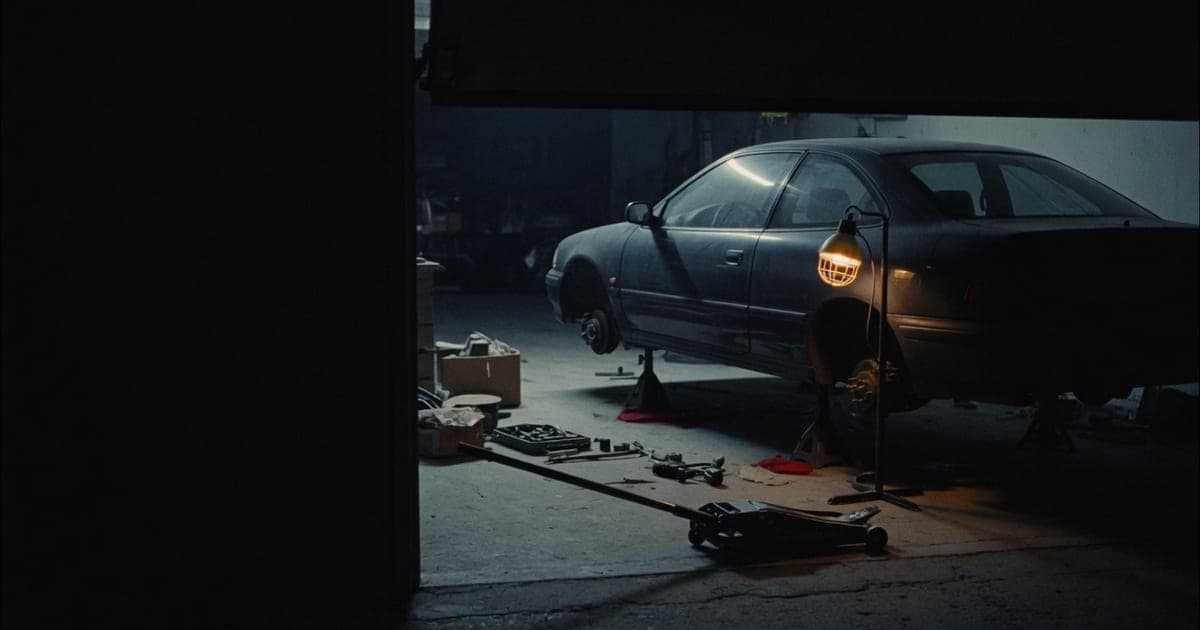
Short version: if you already own an E30, keep it, because the days of buying one as a cheap drift shell are over. A rough, project-grade E30 in Australia typically starts around $6,000-$10,000, and a presentable manual coupe or sedan commonly asks $15,000-$25,000 before you have spent a cent on a cage or coilovers, with the M3 in an entirely different, six-figure conversation that has nothing to do with drifting. If you are shopping from scratch for that classic BMW feel, the E46 is where the sense is right now: newer, safer, more available, mechanically related to the E36 this site already covers in depth, and typically a manageable step up in price for a chassis that is far easier to find parts and angle hardware for. Here is the honest comparison, the engine variants that actually matter, and what sets either one up to slide.
The E30 problem: it stopped being cheap
Ten to fifteen years ago the E30 was exactly what the E36 is today: the cheap, available, six-cylinder-optional BMW that grassroots drifters bought because nobody else wanted them. That window has closed. The E30 is now firmly a classic car in the eyes of the wider market, and pricing reflects it across the board, not just on the M3. Standard road-going 325i and 318i examples in Australia are commonly listed anywhere from the high teens into the mid-$20,000s depending on condition and originality, genuine project cars with rust or missing parts still turn up cheaper, and clean, original, low-kilometre examples are increasingly bought by people with zero intention of ever drifting them.
The M3 sits in its own universe entirely. Global values for the E30 M3 have risen dramatically over the past decade and Australian examples track that market, not the local drift scene. If someone offers you a cheap E30 M3, ask why, because the honest answer is almost never good news.
None of this puts the E30 off the table. It means buying one for drifting today is a deliberate, appreciating-asset decision rather than a bargain, and you should go in with your eyes open about what you are actually paying for: a lighter, more old-school chassis and a lot of soul, at a price that no longer looks like a budget build.
The E46: the newer alternative that actually makes sense
The E46 is the E36's direct replacement, and for a drift build it inherits almost everything that makes the E36 a sensible choice while fixing some of the rough edges: a stiffer shell, better factory geometry, and a parts supply that has not thinned out the way the E30's has, because the E46 stayed in daily use for another decade after the E30 was already a classic.
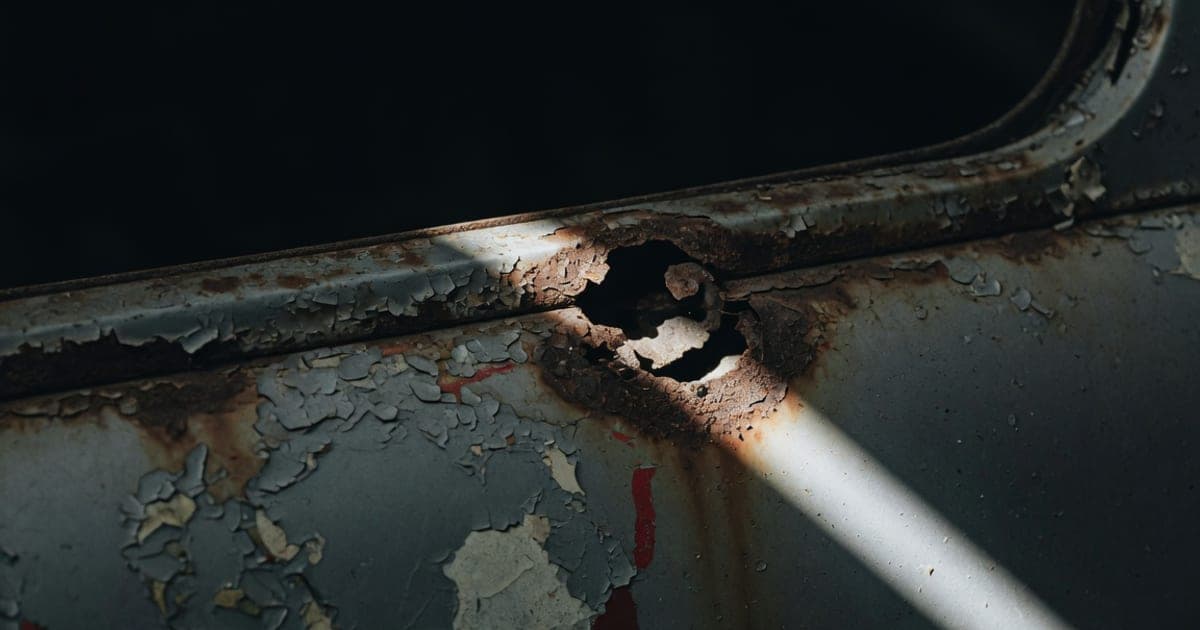
Typical Australian asking prices for the sedans, coupes and convertibles that actually make sense as drift bases (325i, 328i, 330i, 330Ci) sit a step above equivalent E36s, commonly in the $6,000-$15,000 range for a clean, running manual, with tidy manual coupes and anything wearing M-Sport trim asking more. That is more than an E36, but for meaningfully more car: better brakes, better factory suspension geometry, and a chassis young enough that rust is a smaller factor in the buying decision than it is on either the E30 or the E36.
Which engine variants actually matter
Not every E46 engine is the same conversation. The 316i and 318i are the four-cylinder cars and they carry the same small-case diff limitation covered in our E36 drift build guide, so if power and diff strength matter to you, they are the ones to skip. The 323i, 325i and 328i run BMW's M52TU and M54 straight sixes, both good drift engines, with one practical difference worth knowing before you buy: the M52TU uses a cable throttle and simpler electronics, while the later M54 moved to drive-by-wire and carries a known oil ring wear issue that the M52TU does not share. For a car that is going to get tuned, modified and occasionally over-revved at a drift day, the mechanical simplicity of the M52TU is the easier one to live with, though a healthy M54 is a perfectly good engine and the extra low-down torque is real. The S54 in the E46 M3 is a different, far more highly strung engine attached to a far higher price tag, and like the E30 M3, it is its own decision rather than a drift-budget one.
Parts availability: E30 vs E46 in Australia
This is where the two cars genuinely diverge. The E46 was sold here in real numbers well into the 2000s, and general BMW wreckers carry it as a matter of course: Bimmer Spares in Sydney, and Melbourne yards like Jolly Supullit and All Euro Car Parts, all move E46 mechanical and body parts regularly. Subframe reinforcement is also a solved problem on this chassis specifically, with shops like Bavarian Speed Shop selling kits for the known weak point where the diff mount and motor mounts load the subframe, the same failure mode covered in our E36 guide.
The E30 is a different hunt. Run Auto Parts specifically calls out the E30 as a focus of their business, which tells you something: dedicated E30 parts suppliers exist in Australia precisely because general wreckers increasingly do not carry them, in the same way JZX100 owners lean on specialist stockists rather than general Japanese wreckers. Wheels are a separate hunt again, and the offset calculator draws what an E46 will take without flares from its E36 and E46 preset. Budget more patience and more freight for E30-specific trim, glass and small parts, and expect mechanical consumables to be easier to find than body and interior pieces, which is the same pattern this site's other classic-chassis guides keep turning up.
Angle and steering setups
Both chassis are well served by the drift aftermarket, and the good news is you do not need to re-solve the geometry problem yourself. Bolt-on angle hardware exists for both, from modified knuckles through to full lock kits, built by the same names that support the E36: Wisefab's E30, E30/E36 hybrid and E46-specific kits are the common reference points in the scene, each offering well over stock lock with corrected roll centre and Ackermann. Our full angle kit guide covers what each level of hardware actually changes, what it costs in Australia, and honestly, why you probably do not need it in year one regardless of which chassis you buy. The short version for this platform specifically: get the car sorted and predictable on stock steering first, because an E30 or E46 with a locked diff and good coilovers teaches you more per dollar than a full angle kit on a car you cannot yet hold consistently.
The diff conversation carries straight over from the E36 as well, including the part people get wrong: the case size follows the model, not the cylinder count. The E36 320i is the worked example, a straight six that still leaves the factory on the small 168mm case, so identify the case on the car in front of you rather than reading it off the badge. Whichever case it wears, most left the factory open, and the same 1.5-way vs 2-way LSD decision applies once you are fitting a proper centre. If you are cross-shopping an E30, E36 and E46, the diff and cooling-system weak points travel across all three, so it is worth reading the E36 guide even if you end up buying the older or newer car either side of it.
Which one should you actually buy
Buy the E30 if the classic shape and the lighter, more analogue chassis genuinely matter to you, you are not buying on drift budget alone, and you are comfortable owning something that behaves more like an appreciating collector car than a beater you can crash without a second thought. Buy the E46 if you want the BMW drift experience without the collector-car pricing and the parts anxiety, because right now it is the chassis that lets you spend your money on the build instead of the purchase. And if the honest answer is that either one is stretching the budget, the E36 covered in our companion guide remains the sensible middle path in the same family, with the same weak points and the same fixes, for meaningfully less money.
Compliance, briefly
General information, not legal advice: the mechanical repairs and diff work covered above are routine maintenance in every state's eyes, but coilovers, cages, seats and steering geometry changes are modifications with state-specific certification requirements. Our bucket seat and ADR legality guide covers the seating side in detail, and the same rule applies to everything else you bolt to the car: check your state's current scheme before you assume.
Where to find one
Compare what is actually listed right now, filtered by budget, for whole cars and for the angle hardware and diff parts covered above. Moving on from an E30 or E46 project, or holding parts that do not fit the car you ended up building? List them free: both platforms have active, specific search demand on this site, and a clearly described medium-case diff or a genuine set of E30 trim will not sit unsold for long.