AE86 Parts Hunting in Australia: Prices, Reproduction Options and Where Owners Actually Find Parts
6 min read
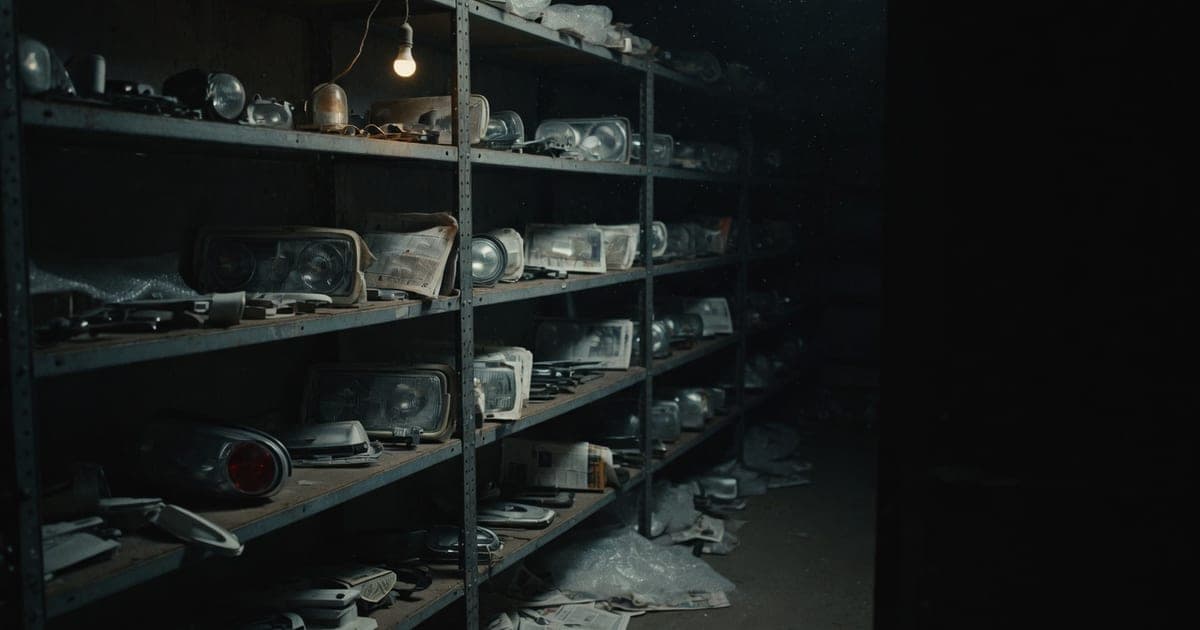
AE86 parts hunting in Australia works completely differently to hunting parts for an S13 or JZX100, and pretending otherwise wastes money. There are almost no cars left to wreck, so there is no wrecker pipeline. Instead, supply comes from four places: Toyota's own reproduction program, the aftermarket repro industry, the worldwide new-old-stock trade, and other owners' sheds. Get comfortable with all four and an AE86 is entirely sustainable to own. Rely on any one of them and you will spend months stalled.
Here is how each source works, what things typically cost, and the tactics owners here actually use.
Toyota is remaking AE86 parts. Genuinely.
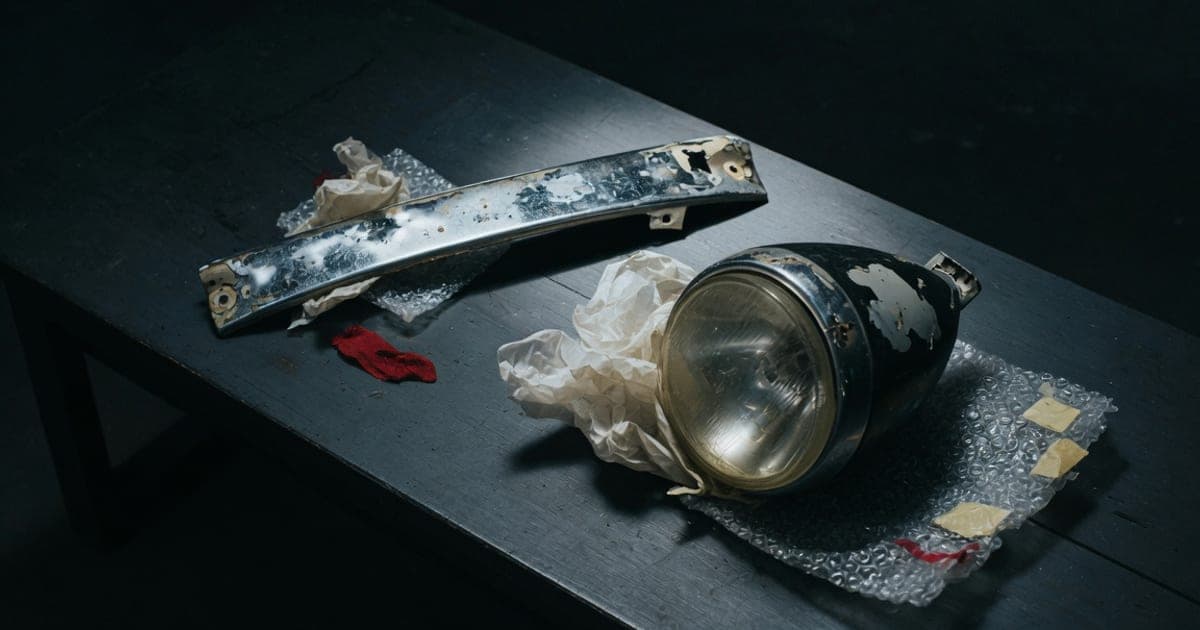
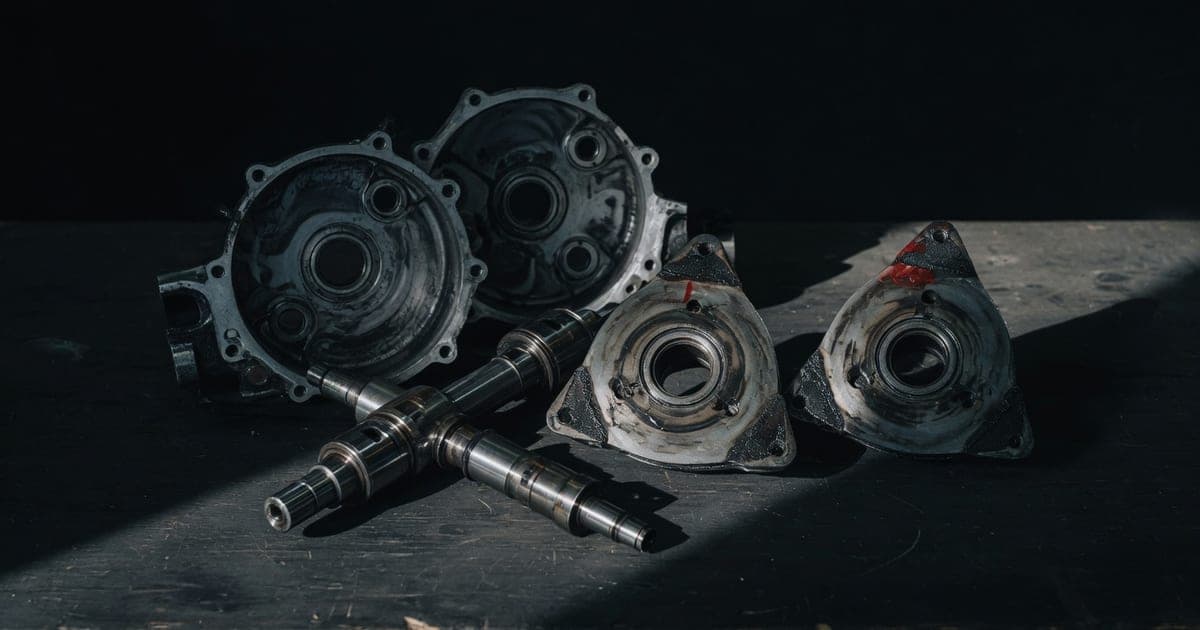
The single most important development in years: the AE86 is an official chassis in Toyota's GR Heritage Parts Project, which reproduces discontinued parts for its classics. The program has reissued kouki two-door Trueno tail lights and front indicators, and has announced reproduction of core 4A-GE engine castings, with the cylinder head and block sub-assemblies slated for sale from 2026. These are not pattern parts; they are Toyota-produced components, in some cases updated with modern materials and methods.
Two caveats. First, the list is short and specific: a handful of items, not a catalogue, and production runs end (the front indicators were a limited run). Second, availability in Australia goes through Toyota's parts channels and pricing lands at genuine-parts money. But the existence of new 4A-GE blocks and heads changes the maths on every tired engine in the country: a cracked head is no longer a reason to give up on a numbers-matching build. Check the GR Heritage AE86 list before assuming anything engine-critical is extinct.
Repro vs OEM: the actual economics
For everything the factory program does not cover, the choice is reproduction aftermarket versus original parts, and the right answer flips depending on the part.
Buy reproduction when the part is structural, consumable or hidden. Control arms, bushes, tie rods, brake hardware, engine consumables, weatherstrips, lenses where quality repros exist: the aftermarket serves the AE86 well because it remained a motorsport chassis for forty years. Specialists overseas machine new versions of the parts that break, and for a drift or track car, a new reproduction knuckle or arm is simply better than a forty-year-old original. Freight from the US or Japan is part of the price of ownership; batch your orders.
Buy OEM when the part is visible, chassis-specific and unreproduced. Interior plastics, dash pads, garnishes, badges, grilles, seat trim, the panel-fit pieces: reproductions either do not exist or do not fit like originals, and this is where the used market rules. Genuine kouki and zenki trim pieces hold their value so well that they are effectively currency among owners.
Panels and rust repair sit in between. Repair sections and some panels exist through the repro trade, quality varies from excellent to approximate, and a clean genuine guard still beats most of them. Given every Australian AE86 is now four decades old, rust repair economics decide more restorations than engine condition does.
The 4AGE is the easy part
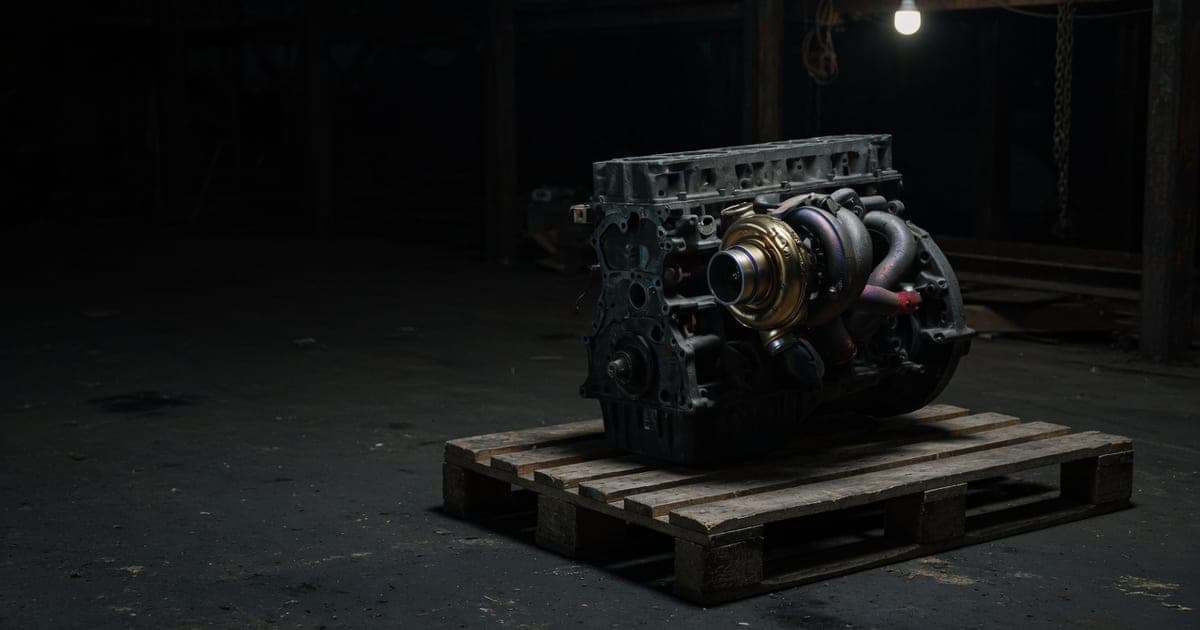
Whatever the rest of the car is doing, the engine is well supported. The 16-valve 4A-GE was fitted to enough Toyotas worldwide that mechanical parts, management, and performance upgrades remain in production, and the 20-valve swap from later Japanese Corollas is a well-worn path with strong parts support. Complete engines, both 16V and 20V, circulate steadily through Australian classifieds, typically in the four-figure range depending on spec and evidence of condition. The engine bay is the one part of AE86 ownership that behaves like owning a normal car. Check the live listings alongside the general classifieds when you are hunting one.
Worth saying plainly: if a 4AGE listing looks cheap and the seller wants a deposit by bank transfer to hold it, stop and read the anti-scam checklist first. AE86 anything is exactly the bait deposit scammers use, because buyers are conditioned to act fast.
What AE86 stuff typically costs in Australia
Ranges, not quotes, because this market moves and every car is different:
- Cars. Rough but complete projects command strong five-figure money now; clean, sorted examples trade well above that, with genuine Japanese-market Truenos and Levins at the top. The days of the thousand-dollar paddock AE86 ended long ago, which is exactly why the parts trade is so active.
- Panels and lights. Genuine kouki tail lights and clean front panels bring serious money when they surface, softened slightly by Toyota's reproduction runs where those apply.
- Suspension and drift hardware. New reproduction and performance parts are ordinary aftermarket prices: coilovers, arms and knuckles for the chassis are in current production and show up used in the classifieds here regularly.
- Interior. Unbroken original plastics and good seats sell for what patient owners ask. There is no price guide because there is no supply floor.
The KE70 question
Half the people searching AE86 parts should honestly be building a KE70. The boxier, more common Corolla shares the rear-drive layout and general philosophy, sold here in real numbers, and swallows the same drift recipe: 4AGE swap, diff, coilovers, seat. Chassis-specific drift parts exist for it, donor mechanicals overlap in useful places, and a KE70 build costs a fraction of AE86 money while teaching identical lessons. Wheels are one place the two diverge, and the KE70 preset on our offset tool is the quickest way to see what a 15 inch wheel does to that guard. The AE86 tax is real and it buys the badge and the chassis, not extra skill. No judgement either way, but know which one you are paying for.
Where owners actually find parts
Ask around the Australian AE86 community and the answers repeat:
- Other owners, overwhelmingly. Decades of cars parted out means the parts still exist, distributed across sheds. They surface when someone changes direction, finishes a build, or clears space. Classifieds and club networks move more genuine AE86 parts than any business does.
- The repro and specialist trade overseas, for everything in current production.
- Toyota, for the GR Heritage list and the surprising number of generic fasteners and service parts still in the system.
- Japan auctions and NOS dealers, for the trim and rare pieces, at prices that reward patience and punish urgency.
- Wreckers, almost never. Complete cars are worth too much to wreck. The exception is the occasional stripped shell or the parts stash sold when a project dies; our wreckers directory covers the yards worth ringing for the broader classic Toyota overlap, but do not build a plan around it.
The practical tactic that follows: hunt continuously, not on demand. Set up searches for your chassis, buy good trim when it appears rather than when you need it, and sell your surplus into the same pool. Every long-term AE86 owner in the country runs a parts shelf, and the shelf is the real supply chain.
The same logic applies interstate. AE86 parts are light enough that freight rarely kills a deal, so treat the whole country as your local market. A dash pad in Perth is still the closest dash pad if it is the only unbroken one for sale, and sellers on structured classifieds state fitment and condition up front, which makes buying sight unseen far less of a gamble than it is on general marketplaces.
Put your shelf to work
Search the current listings to see what is for sale, structured by category and fitment instead of buried in general classifieds noise. And if you are sitting on that box of garnishes and switches from the shell you parted in 2018, list it free. No fees, no commission, and the exact forty people in Australia who need a kouki grille surround will actually find it.