RX7 FC vs FD in Australia: Parts, Prices and the Swap-Out Question
8 min read
Short version: the FD is the better drift car and the harder buying decision right now, because clean examples have climbed into genuine collector territory, commonly $50,000-$90,000 or more for something complete and honest, with rough or rebuild-needed cars still findable lower but rarely cheap. The FC is the more sensible entry: clean stock Turbo IIs typically run $25,000-$35,000, and rougher project cars with an unknown-history 13B still turn up under $15,000 if you accept the compression lottery that comes with that price. Either way you are buying a rotary, which means budgeting for a rebuild that a piston engine would never need, and that single fact is why so many RX7 owners eventually swap in an LS or a 1JZ instead of fighting the 13B forever. Here is the honest platform comparison, what the rotary actually costs to keep alive, and where Australians actually source parts.
FC vs FD as drift platforms
The FC (1985-1992) and FD (1992-2002) are different cars wearing the same badge. The FC is heavier, softer-edged and mechanically simpler, with a single or twin-scroll turbo depending on year and a chassis that is honestly a bit of a tank by rotary standards. It rewards a driver who wants a big, predictable slide rather than a knife-edge one, and its relative heft and simplicity make it the easier, cheaper car to own day to day.
The FD is the one everyone actually wants: a genuinely special chassis, near-perfect weight distribution, a sequential twin-turbo 13B-REW that makes real power in factory form, and steering and chassis response that still holds up against modern cars. It is also the less forgiving car to own. The sequential turbo system is more complex and more expensive to keep healthy than the FC's simpler setup, the whole car runs tighter tolerances everywhere, and because prices have risen so far, every mistake and every rebuild costs more than it used to.
For drifting specifically, both work, and the scene splits roughly along the same lines as the buying decision: FCs turn up more often as dedicated, well-used drift cars because the purchase price leaves room in the budget for a cage, coilovers and abuse, while FDs more often get bought by people protecting the investment as much as driving it. Neither approach is wrong, but know which one you are before you buy.
The rotary reality: apex seals, rebuild cost and fuel
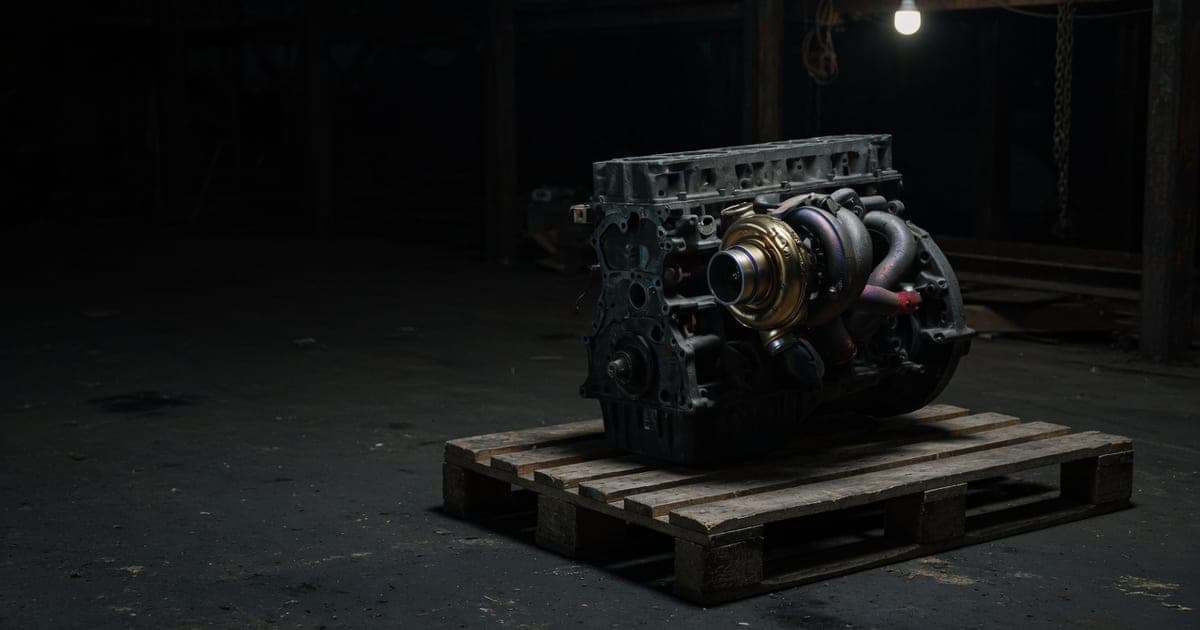
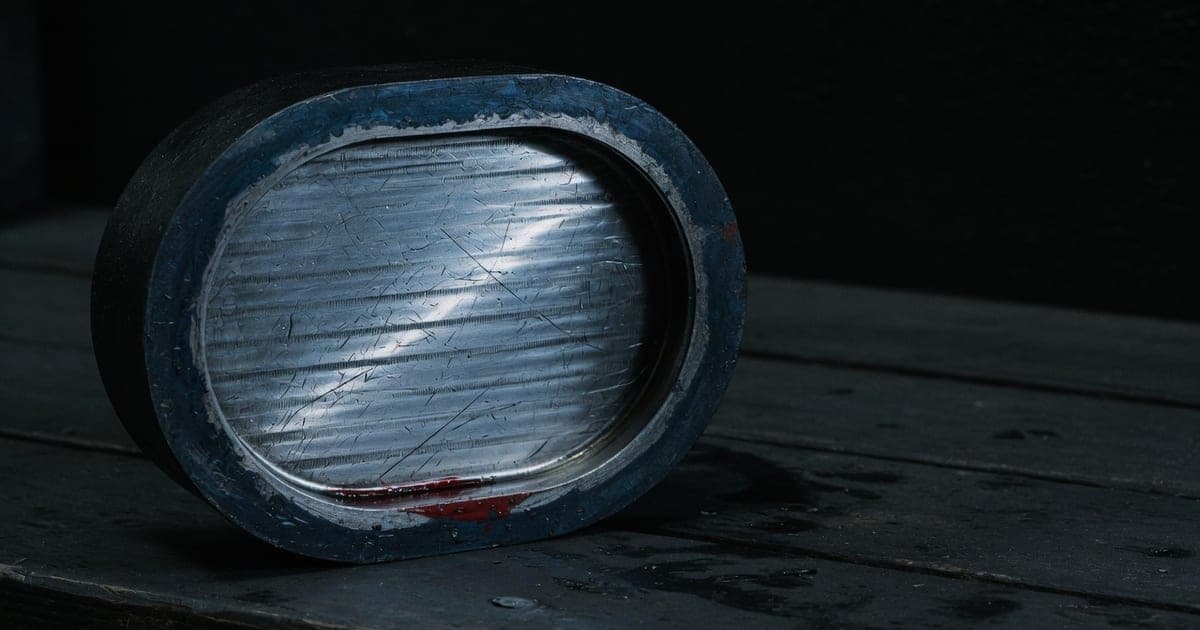
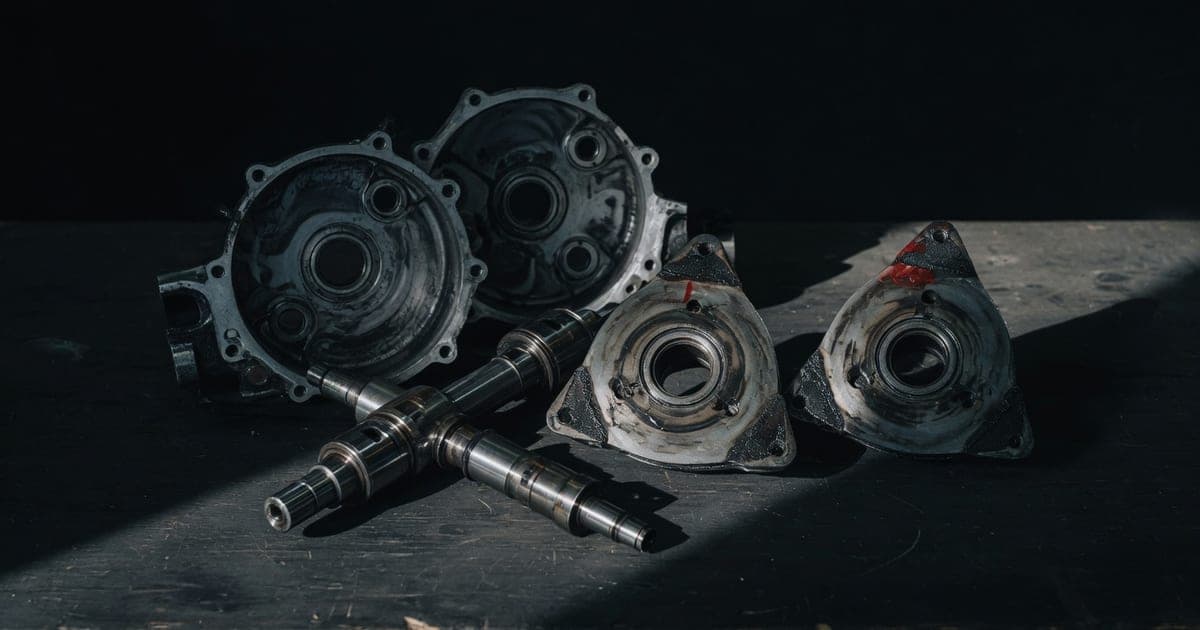
Every rotary conversation eventually gets to the same place: the 13B is not a piston engine, and it does not fail like one. Instead of piston rings wearing against a cylinder wall, the rotor's apex seals ride against the housing, and those seals are the engine's real service item. A worn or chipped seal shows up as low, often uneven compression across the rotor's three chambers, exactly like a piston engine's compression test but for a different reason, and there is no "hone it and put new rings in" fix. When apex seals go, you are doing a top-end rebuild, full stop.
Budget for it. A straightforward naturally aspirated 13B rebuild through an Australian rotary specialist is commonly in the order of $5,000-$8,000 depending on spec and what the housings need, and a turbo or ported engine built for real power costs more again once you are paying for better seals, balancing and tuning to match. That is not a scare number, it is a genuine cost of admission to rotary ownership, and it is the reason a "cheap" 13B swap-in engine of unknown history is never actually cheap: price the rebuild into the purchase before you get excited about the asking price.
Fuel is the other honest conversation. The rotary's combustion chamber shape and the way a Wankel engine breathes mean it drinks more than a piston engine of similar output, turbo FDs in particular, and that is before you have started tuning for more power. None of this is a reason to avoid the car. It is a reason to budget like you are running a rotary, not like you are running an SR or an RB with slightly different service intervals.
The swap-out question: keep the rotary, or go LS or 1JZ
This is the argument that never ends in an RX7 forum, and it deserves an honest answer rather than a tribal one.
Keeping the 13B, or the 13B-REW in the FD, gives you the car as it was meant to be: the sound, the character, and in the FD's case, genuinely serious factory power. The cost is everything above: apex seals, fuel, and a rebuild that arrives on the engine's schedule, not yours.
An LS swap is the pragmatic answer for a car that needs to be reliable and cheap to run at real power. LS engines are compact, light for the power they make, and parts and tuning knowledge are everywhere in Australia, and a stock LS makes more torque than a built 13B for less drama and less rebuild risk. The trade-off is upfront cost and fabrication: mounts, wiring, a driveshaft, cooling, and usually a transmission tunnel and bellhousing solution all need sorting, and a properly executed LS swap is a serious five-figure job once everything is accounted for, before you have touched the diff or brakes. It also, for better or worse, turns the car into a different thing entirely, a V8-powered chassis wearing a rotary badge, which is exactly why some owners will not go near it.
A 1JZ or 2JZ swap sits between the two emotionally and financially. You keep an inline-six character closer to what people expect from a JDM drift car, Toyota's bottom ends are famously strong, and the swap is well documented, but you are still solving mounts, wiring, fuel and driveshaft problems in a bay that was not built for it, and the parts and labour add up in the same way an LS swap's do. If you are weighing a 1JZ swap against simply buying a car that already has one, our SR20 vs RB25 vs 1JZ guide covers what a complete 1JZ-GTE actually costs in Australia and what it is like to live with, and that pricing is the real starting point for costing this swap out honestly.
There is no universally right answer. A rotary purist should budget for rebuilds and buy the best-condition 13B they can find. A driver who wants a drift car that starts every time and holds power without drama should be honest that the swap conversation exists for a reason, and should price the whole job, not just the engine, before committing. If the rebuild cycle sounds like more commitment than you want but you still want the rotary drift experience, the RX8 is the cheaper, more available way to try it, covered in our RX8 drift guide.
What FCs and FDs actually cost in Australia
As a shape of the current market rather than a quote:
- FC project cars, modified or with unknown compression: typically under $15,000, and price in a rebuild before you get attached to the number.
- FC clean, stock or lightly modified Turbo II: typically $25,000-$35,000, with exceptional documented cars going well beyond that.
- FD needing work or with a tired engine: typically $15,000-$30,000, which is buying a rebuild project at FD prices, not a driver.
- FD clean and complete: typically $50,000-$90,000 and climbing, with rare variants like the Spirit R and Bathurst R priced as the collector cars they now are.
Whichever figure you are looking at, the same rule from every other guide on this site applies twice as hard here: get a compression test on every chamber before money moves, because a rotary hiding a tired seal behind a fresh coat of paint is a much more expensive mistake than a tired piston engine ever is.
Where AU owners actually source parts
Rotary-specific parts sit outside the general JDM wrecker network, because that scene is built mostly around Nissan and Toyota volume rather than rotaries. Instead, Australia has a small, genuinely capable group of rotary specialists who between them cover most of what an FC or FD owner needs: RotorMaster and RACEONLY in Sydney both build and rebuild 13Bs and 13B-REWs to street and race spec, Hi Tech Rotary Performance in Jamisontown does the same, and Just Rotaries stocks rotary-specific parts and seals nationally for owners doing their own work.
That covers the engine. Body panels, interior trim and the small discontinued pieces still come down to private sellers and the odd general wrecker that happens to have taken one in, which is exactly the gap structured classifieds fill: search listings by chassis rather than hoping a general yard's website happens to mention rotaries. Before you send money for anything sight unseen, especially an engine or a set of apex seals from an unfamiliar seller, run through buying used JDM parts without getting scammed, because rotary parts are exactly the kind of in-demand, hard-to-verify item scammers target.
Which one should you buy
Buy the FC if you want the rotary experience, a drift-ready chassis, and a purchase price that leaves room in the budget to actually build and crash the car. Buy the FD if the money is not the constraint and you want the best version of this platform, understanding you are buying an appreciating classic that happens to be extremely good at sliding sideways, so treat it accordingly. And if the honest answer is that a 13B rebuild every so often is not a lifestyle you want, that is a legitimate reason to buy either car planning an LS or 1JZ swap from day one rather than fighting that decision later. Our first drift car guide is blunt about rotaries as a beginner's first car for exactly this reason: brilliant engines, but an unknown-history 13B is a rebuild lottery a beginner does not need, so if this is your first RWD project, buy the compression numbers, not the badge.
Find one, or sell one
Browse the current listings for 13B and 13B-REW packages, complete or as swap-out cores, and for FCs and FDs actually on the market right now with real asking prices. Pulled a healthy 13B during a swap, or sitting on a stack of rotary-specific parts from a project that changed direction? List them free: rotary parts are a small, tight-knit market, and the right buyer is actively searching for exactly what you have.