Best First Drift Cars You Can Actually Buy in Australia (2026 Prices)
7 min read
If you want the answer in one line: buy the cheapest structurally solid rear-wheel-drive manual you can find with parts support, weld the diff or fit an LSD, and go drive. In Australia in 2026 that realistically means an NA or NB MX-5, an E36 BMW, a six-cylinder Commodore or Falcon, or, if your budget stretches, an S-chassis or 350Z. The overseas "best drift car" lists are useless here because they are written around American and UK markets: nobody in Australia is buying a cheap FC RX-7 or a $4,000 240SX, because those cars do not exist at those prices in this country. Here is what is actually for sale here and what it costs.
What makes a good first drift car
Three things, in order: rear-wheel drive with a manual box, cheap consumables and crash panels, and a community already drifting it so the setup questions are answered. Power is a distant fourth. A beginner learns faster in a slow car with a locked rear end than in a 300kW weapon that spins up third gear. You will also hit things. Every beginner hits things. A car whose front bar, guards and headlights are $150 at a wrecker survives your first year; a car with unobtainium panels punishes every mistake twice.
The realistic options, with 2026 Australian prices
NA/NB Mazda MX-5: typically $6,000-$14,000
The cheapest genuine sports car entry left. Light, communicative, cheap tyres, and the aftermarket covers everything. The catch is the small fuel-injected four makes modest power, so you learn clutch kicks and weight transfer properly because momentum is all you have, which is exactly why instructors love them. Downsides: little cars get chewed up at busy practice days, and tall drivers with a helmet on need to check they physically fit with a hardtop or halo seat. If the MX-5 is the front runner, the full NA and NB rundown covers the diff question and what a build actually costs.
E36 BMW (318is, 323i, 328i): typically $4,000-$12,000
The volume budget answer in Australia right now, exactly as it has been in Europe for a decade. Six-cylinder versions have enough torque to steer on throttle, the chassis takes lock and abuse, and secondhand E36 parts are plentiful and cheap. Weak spots are the cooling system (plastic everything, replace it all on day one) and rear subframe mounting points, which want inspection and reinforcement on a car that will be drifted. The E46 is the same story for slightly more money, and the E30 and E46 either side of it have their own parts picture.
VT-VZ Commodore: typically $3,000-$9,000
Australia's own budget drift chassis. Ecotec and Alloytec V6 cars are nearly free, L67 supercharged and LS1 cars cost more but bring real power, and every wrecker in the country has panels. The cars are big and heavy, which actually helps beginners: slow, readable transitions. A locked diff and some caster and it will skid all day. The community around cheap Commodore drifting at grassroots events is one of the healthiest scenes in the country. Which generation to chase and what breaks is worth reading before you buy on price alone.
BA-BF Falcon (XR6 and XR6 Turbo): typically $3,500-$12,000
Same logic as the Commodore with a bonus: the Barra. A stock XR6 Turbo makes proper power for the money and nothing at the price competes on grunt per dollar. The manual versions are the ones you want and they carry a premium. Heavy car, cheap parts, huge tuning ceiling if the drifting sticks.
Nissan 350Z: typically $9,000-$18,000
The cheapest "real drift car shaped" option with modern power. Strong VQ35, good box, massive global aftermarket, and it needs nothing except a diff and coilovers to be a competent skid car. Watch for tired synchros in early boxes and check for crash history, because a lot of them have been someone's first drift car already.
S13 Silvia / 180SX: typically $15,000-$30,000+
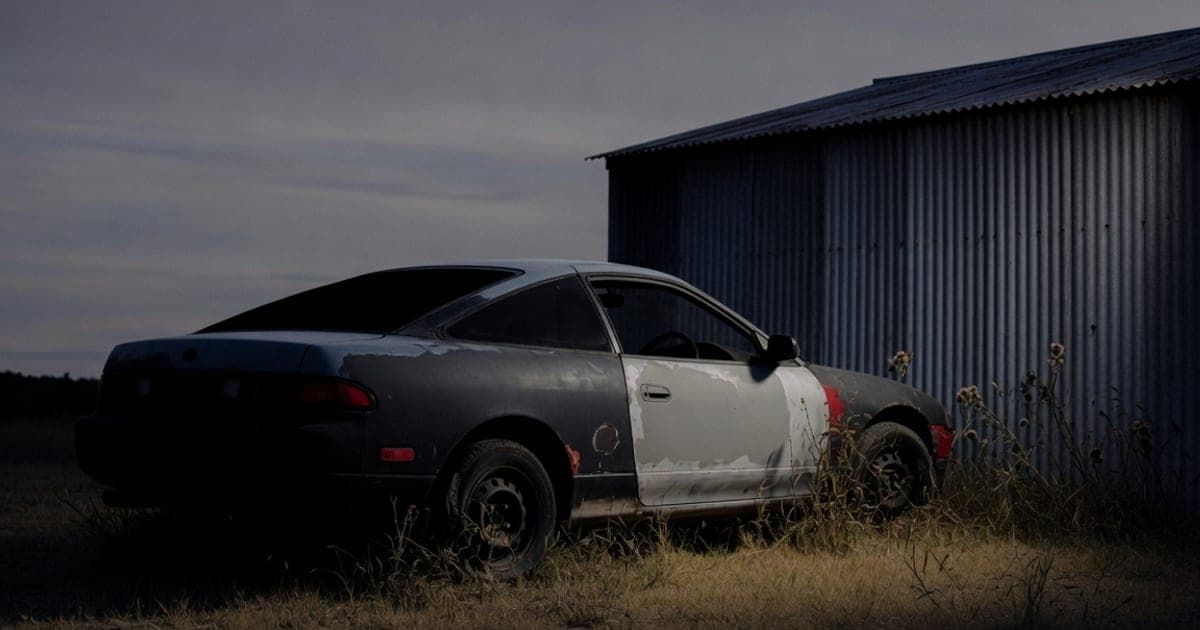
The classic answer, and the price is why it is no longer the default one. Clean 180SXs have crossed into collector money, rough SR-swapped drift cars still command mid-teens, and everything S-chassis costs more every year. If your heart is set on one, it remains a phenomenal platform with unmatched parts support: read the S-chassis buyer's guide before you shop, because rust and butchery are the real variables at this price. But go in knowing the same money buys a 350Z plus a season of tyres and entries.
The wildcard imports: Chaser, Cresta, Soarer, C33 Laurel, A31 Cefiro
JZX100 Chasers typically run $20,000-$35,000 now, Soarers and the four-door Nissans less. Each has its own guide here: what Chaser parts actually cost here, the C33, C34 and C35 Laurel, and the A31 Cefiro in detail. These are brilliant drift cars, big and stable with strong engines, but for a first car the import parts hunt and the purchase price push them into second-car territory for most people. If a JZX is the dream, buy it as the car you graduate to, not the one you learn to spin in.
What about AE86, R32s, and other hero cars
An AE86 is typically $30,000-$50,000+ in Australia now and parts are a dedicated hobby, which is why AE86 parts sit where they do. R32 Skylines have climbed the same curve, and it is worth knowing that the rear-drive GTS-t is a different and far cheaper car from the GT-R it keeps getting confused with: the R32, R33 and R34 parts guide covers which is which and where the money goes. Nothing stops you drifting one, but learning in an appreciating classic means every wall tap costs real money and a bit of history. Buy the hero car after you can drift, not to learn in.
What to skip entirely
A few traps catch first-time buyers every year. Automatics: some people do drift autos, but learning clutch control is half the skill set, so hold out for a manual even if it costs more. Anything all-wheel drive "that can be converted": the conversion money buys a better RWD car outright. Rotaries as a first car: brilliant drift engines, but an unknown-history 13B is a rebuild lottery a beginner does not need. And the "95 percent finished" project with no rego, no interior and a thousand missing bolts: unfinished projects are only bargains when you can inspect exactly what is missing and price it honestly, which takes experience you do not have yet. First car, buy running, driving and boring.
Budget beyond the car
Whatever you buy, reserve money for the car to become a drift car: a diff solution, tyres, a helmet, and entry fees. As a first-season rule of thumb, keep at least $2,000-$4,000 aside after purchase. The full breakdown of where that money goes, from welded diff to coilovers to your first angle parts, is in what a drift build really costs in Australia, and what each budget under $10k actually buys if the car and the build have to come out of the same pot. A cheaper car with a budget left over always beats a dearer car and an empty account, because seat time is the only mod that makes you faster sideways.
Buying without getting burnt
Rust and crash damage kill more first builds than blown engines. Check rails, towers and boot floors on anything Japanese and subframe points on the E36. Take someone who knows the chassis, insist on seeing the car start cold, and never pay a holding deposit by bank transfer to someone you have not met: the buying safely guide covers the standard scams. On the rego side, general info only: a welded diff is not road legal in any state, and mods like coilovers and seats have state-specific rules, so a car sold as a "track car" may be a long way from ever wearing plates again. Price that in.
If you are on a provisional licence, none of the above is the first question. Four states restrict what a P-plater may drive, and in two of them every pre-2010 turbo car is out before any power calculation happens, which removes most of this list. Read what a P-plater can realistically build and check your car against your state's own database before you buy anything.
Go find one
Browse the live listings to see what drift-ready and near-ready cars are going for around the country right now, from MX-5s to half-built S-chassis projects someone else lost momentum on, which are often the best value in the whole market. Moving on from your own starter car, or parting with a project that never got finished? List it free and put it in front of buyers who actually know what a caged E36 with a locked diff is worth.