How to Sell a Drift Car in Australia: Pricing the Mods, Photographing It Properly, and Getting Paid
9 min read
Short version: price your drift car on what it is, a used car of its chassis with a locked diff, and treat the modifications as the reason it sells quickly rather than the reason it sells high. Mods almost never return what they cost. Photograph it in daylight, clean, from every angle, including the damage. Write the ad with the answers to the questions buyers ask anyway, price it against live listings rather than against your receipts, take cash on inspection, and lodge your disposal notice with your state authority the day it leaves. If the sums are close, parting it out usually returns more money and costs you three months of Saturdays.
The hard part of selling a built car is not finding a buyer. It is accepting the number. Here is how to get the most that is actually available, without wasting a season chasing a price that does not exist.
What your drift car is really worth
The market values a modified car as the base car, plus a fraction of the parts, minus the buyer's fear. Your labour is worth nothing to a buyer. Your receipts are evidence of what you spent, not of what it is worth.
Three things are true at once:
- The build cost more than the car will sell for. Almost universal. The breakdown of where that money goes is in what a drift build really costs in Australia, and the sale side of that ledger is always ugly. Nobody has ever made money selling a finished grassroots build.
- The right mods make it sell fast, not dear. A car with a diff, coilovers, seats and a cage sells in days where an unmodified equivalent sits for a month, because the buyer skips the work and the parts hunt. That speed is your real return.
- The wrong mods cost you money. Personal taste, a half-finished job, or anything a buyer will immediately remove shrinks your buyer pool to people who share your taste.
Which mods return something, and which return nothing
Return a reasonable share of their cost: quality coilovers from a known brand, a proper LSD, a professionally built cage, angle kit or knuckles, good wheels, a healthy engine with a genuine tune and paperwork, hydraulic handbrake, safety gear in date.
Return almost nothing: paint and vinyl in your colour choice, cheap eBay coilovers, an unbranded turbo kit with no tune history, custom exhaust, stereo, a dash full of gauges, anything on a homemade bracket. Cheap suspension is worse than none, because the buyer prices in replacing it.
Subtract value: a tune nobody can verify, an uncertified engine swap on a car you advertise as road registrable, bad visible crash repair, and rust. Rust subtracts more than every mod adds.
How to actually set the price
Ignore what you spent. Do this instead:
- Find what the same chassis in the same condition sells for as a plain used car. That is your floor.
- Add a realistic fraction of the resale value of the desirable parts, not their new price. Wheels, coilovers, LSD, seats and cage all have secondhand values you can look up.
- Compare against live asking prices for similar built cars in the current listings and elsewhere. Asking prices are not sold prices, so read them as a ceiling.
- Price at the number, not above it. An overpriced built car goes stale, and a listing everyone has seen for four months becomes a car people assume is wrong.
If you genuinely cannot accept the number, that is a signal, and the answer is the next section.
Should you part it out instead? Do the maths
This is the honest fork, and for a heavily built car the numbers often favour breaking it up. There is no published data comparing a part-out against a whole-car private drift sale, so do your own sum rather than trusting any rule of thumb, including mine.
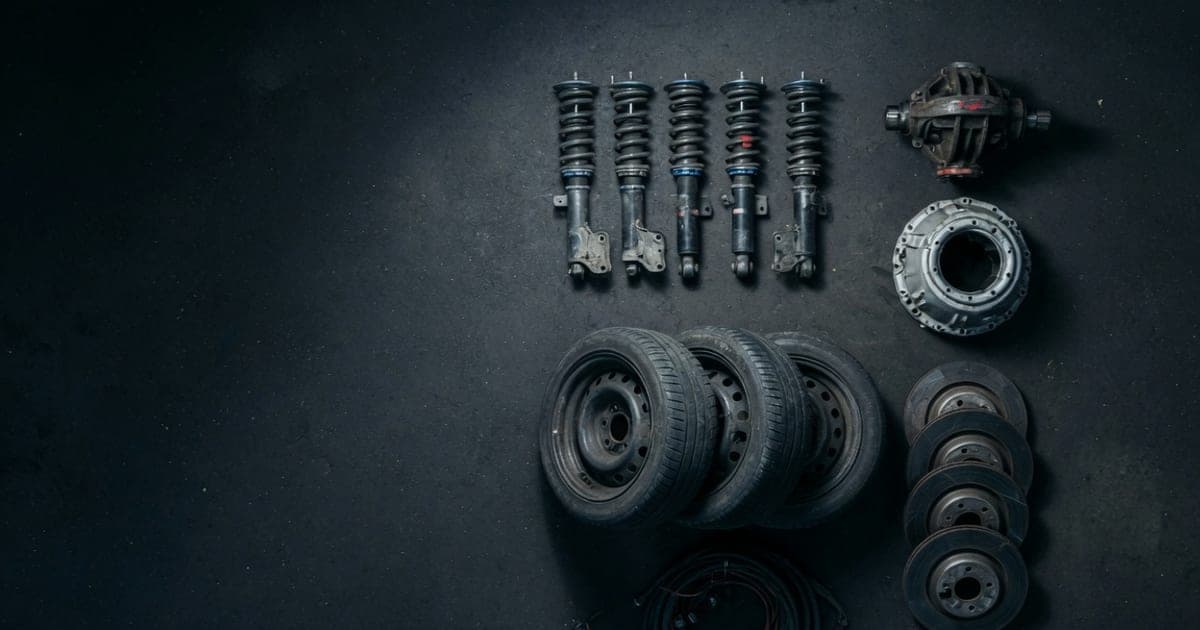
Work it out like this. List every part with a real secondhand market: engine and gearbox, diff or LSD, coilovers, wheels, seats, removable cage, steering gear, angle kit, panels, ECU and loom. Price each against what is listed today, then add the stripped shell. That total is your part-out gross. Now subtract your time, storage, packaging, freight arguments, the parts that never sell, and the shell you may pay to dispose of.
Part it out when: the car has high-value parts and a poor shell, the sum clearly beats the whole-car offers, you have storage, and you will spend two or three months answering messages.
Sell it whole when: the shell is good, the build is coherent, you need the money or the space soon, or the gap is small. A close call always favours selling whole, because a part-out consumes months of weekends and the last thirty percent of the parts sell slowly or not at all.
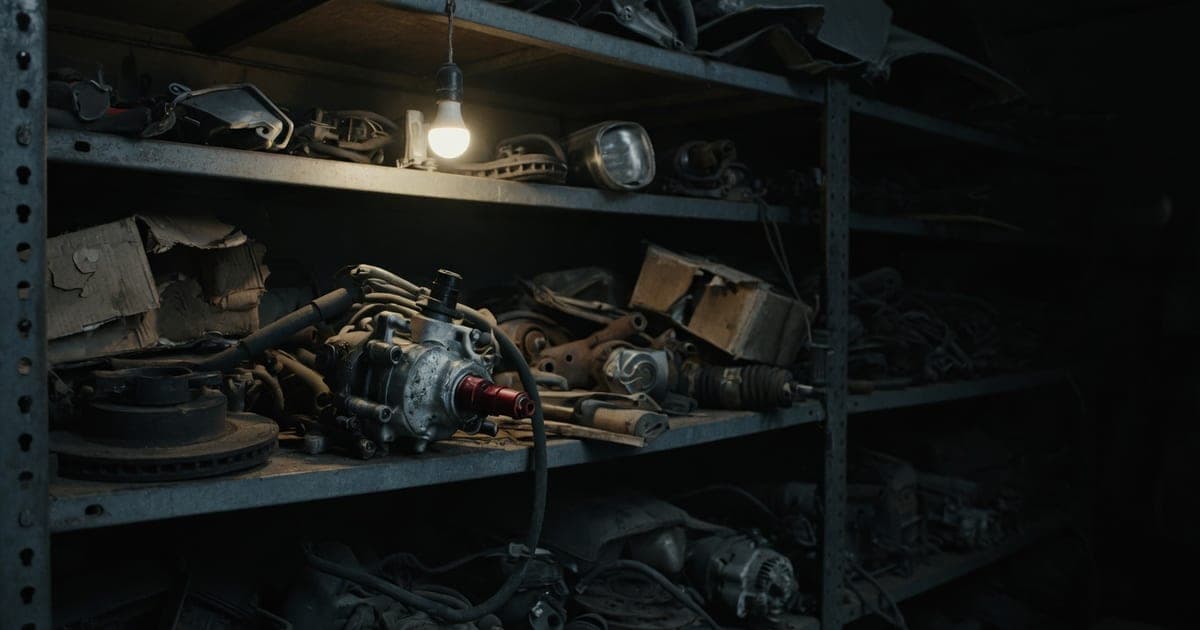
The middle path is often best: pull the two or three valuable, easily removed items a cheap-track-car buyer will not pay for anyway, such as the good wheels or a rare seat, fit something serviceable, and sell the car complete. If you go the full part-out route, where to sell car parts in Australia compares the channels and fees honestly.
Photographing a track car properly
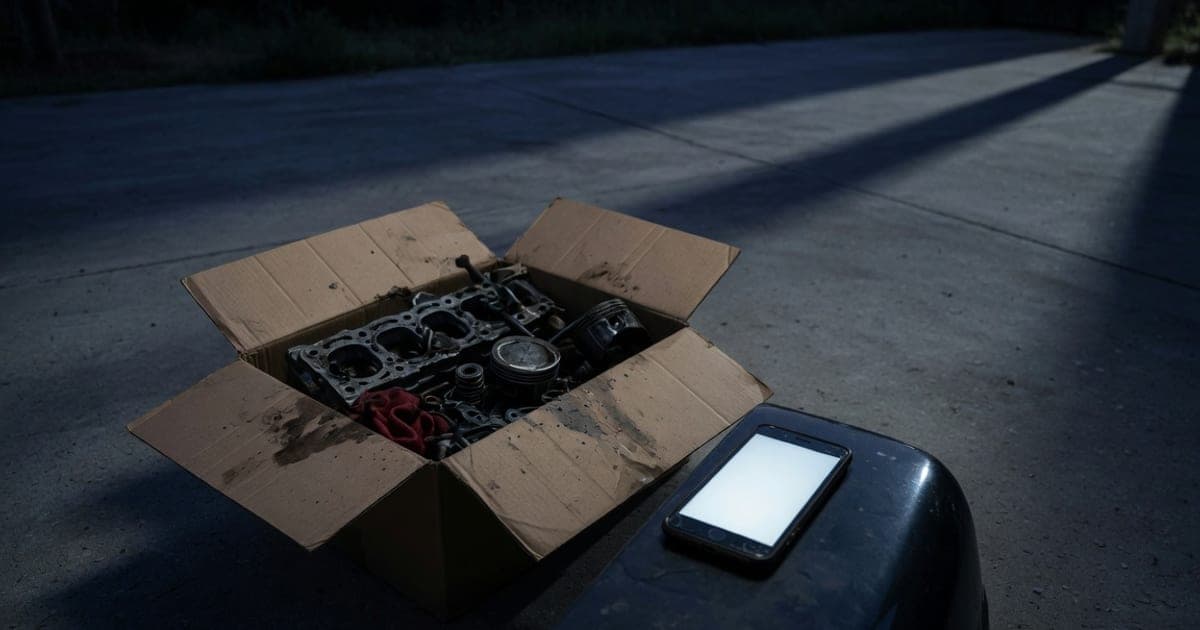
Most built cars are sold badly by their photos. Track cars photograph worse than road cars because they are dirty, dented and parked in a shed. Fix that with an hour of work.
- Clean it. Wash it, blow off the tyre rubber and brake dust, empty the interior of rags and tools, clean the glass. A dirty car reads as a neglected car.
- Daylight, outdoors, plain background. Overcast light is ideal. Not in the shed, not at night with a flash, not in front of the wheelie bins.
- The full set: all four three-quarter angles, straight front and rear, both sides square on, the interior from both doors, the seat and harness, the dash, the engine bay, the boot, all four wheels, and the underside if you can get it up.
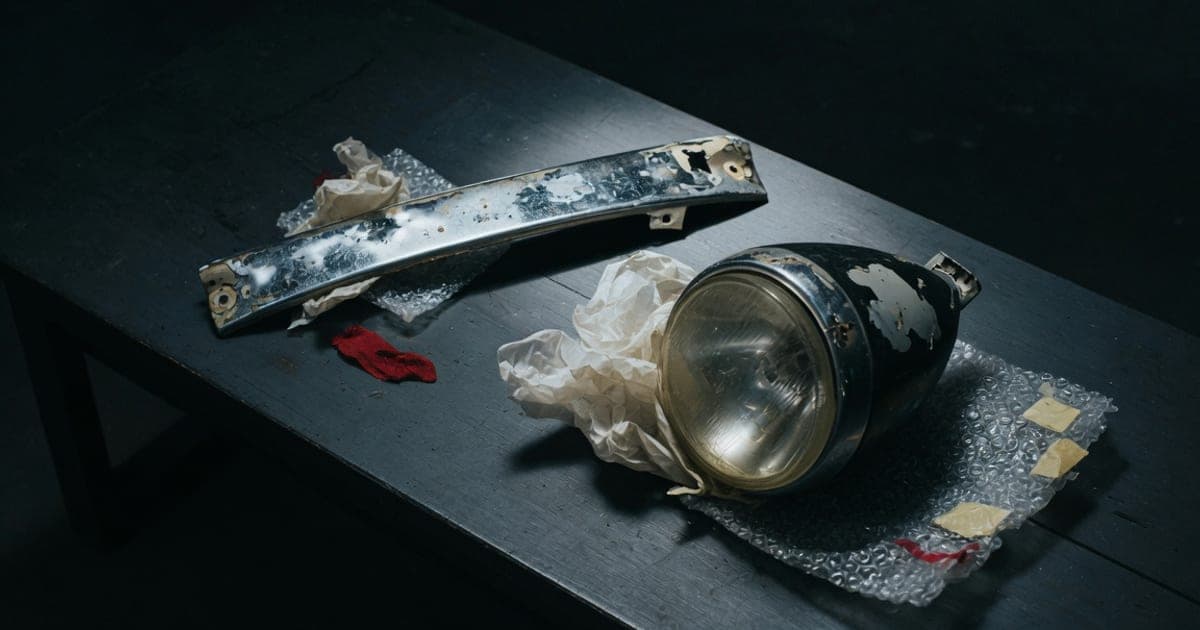
- Photograph the damage. Every dent, scrape and rust bubble, close up. This feels like sabotage and it is the opposite. Disclosed damage removes the buyer's biggest fear, that you are hiding something worse, and it kills the on-the-day renegotiation because they knew before they drove there.
- Photograph the evidence. Dyno sheet, cage certification, engineering certificate, log book, receipts fanned out, the compliance plate, the VIN. Documented cars sell for more and argue less.
- A short video beats all of it. Cold start, idle, a rev, a walk around, and a pass on the pad if it is track only. Interstate buyers will not commit without one.
Write the ad that answers the questions buyers ask anyway
Every serious buyer of a modified car asks the same things. Answer them in the ad and you filter the tyre kickers out before they message.
- What chassis, what year, what engine, and is that engine original to it?
- Registration status, when it expires, and whether it has ever been engineered or certified.
- Why are you selling? Say it plainly. "Moving to a bigger chassis" or "having a kid" are believable. Silence is not.
- The full mod list, with brands, and the condition of each.
- What is wrong with it? Every car has something. "Second gear crunches when cold" builds more trust than a page of superlatives.
- When was the last event, and what broke that day?
- Service history, tune details, who tuned it, and whether the paperwork exists.
- Is it written off, is there finance owing, will it pass a PPSR check? Expect every switched-on buyer to run one. Know what it shows: finance owing and formal write-off status. It does not reveal general crash or repair history, so a car hit and repaired privately reads clean, which is exactly why your honest damage photos are worth so much.
Write it in plain sentences, put the chassis code and engine in the title, and state your location and whether you will help with transport.
Selling a car with no rego or track-only
A large share of drift cars have not worn plates in years. That is fine, it just changes the transaction.
- Say it in the first line. "Unregistered, track only, sold as is" up front. Burying it wastes everyone's time and produces angry buyers at your gate.
- Do not promise it will pass. Never tell a buyer it "will get a roadworthy easy" unless you have one in your hand. A welded diff is not road legal anywhere in Australia, and cages, seats, harnesses and engine swaps carry state-specific certification requirements. That claim is the most common source of post-sale arguments in this market.
- Be straight about what it would need. If it needs a certified seat install and an engineering report, say so. Buyers respect it and price it in themselves.
- Sort out how it leaves. The buyer needs a trailer, a tow truck or an unregistered vehicle permit, and the rules differ by state. Make clear that pickup is by trailer or tow, and have the car accessible and rolling on the day. Point them at the track-only and unregistered cars guide.
- Paperwork still matters. Proof of ownership, whatever documentation exists, and a VIN or chassis plate visible and matching. A car with no rego and no paperwork trail is very hard to sell for a fair price, and rightly so.
Getting paid, and handing it over
Sellers get scammed as often as buyers, just differently. The standard plays are a doctored payment screenshot, a bank cheque that clears then reverses, an overpayment with a request to refund the difference, and a "buyer" who wants the car released before funds land.
- Cash on inspection, or funds confirmed in your account before the car moves. Not a screenshot, not a receipt, not a pending notification. Money visible in your own banking app, cleared.
- Watch instant-transfer limits. Large payments get split or delayed, so agree the method before the buyer arrives, not in your driveway with a trailer waiting.
- No release without payment. No exceptions, no matter how far they drove.
- Deposits are non-refundable only if you say so in writing before the money moves. Keep the thread.
- Write a receipt. Both names, addresses, phone numbers, date, price, VIN or chassis number, and "sold as is, unregistered" if that applies. Both sign, both keep a copy.
- Lodge the disposal notice with your transport authority the same day if the car is registered, so the plates and any infringements stop being your problem. The form and deadline differ by state, so use your own authority's process.
Meet in daylight, have someone with you, and if anything feels wrong, stop. The anti-scam guide covers these patterns from the buyer's side, which is useful reading: knowing what a careful buyer looks for tells you what a trustworthy listing looks like.
Where to list it
List it where people know what it is. A caged E36 with a locked diff and angle gear is a confusing pile of modifications on a general marketplace, and a well-specified drift car to an audience that already drifts. Cross-listing is normal: put it on the big platforms for reach and in front of enthusiasts at the same time, at a consistent price.
List yours free on Drift Parts Classifieds. No commission, listings structured by chassis and category so buyers searching your exact platform actually find it, and enquiries through on-site threads attached to your seller profile, so your history is visible and the conversation cannot vanish. Photograph it properly, price it against the live market, disclose the dents, and it will sell to someone who wants exactly the car you built.