Track-Only and Unregistered Cars in Australia: Permits, Transport, Club Schemes and What to Check Before You Buy
10 min read
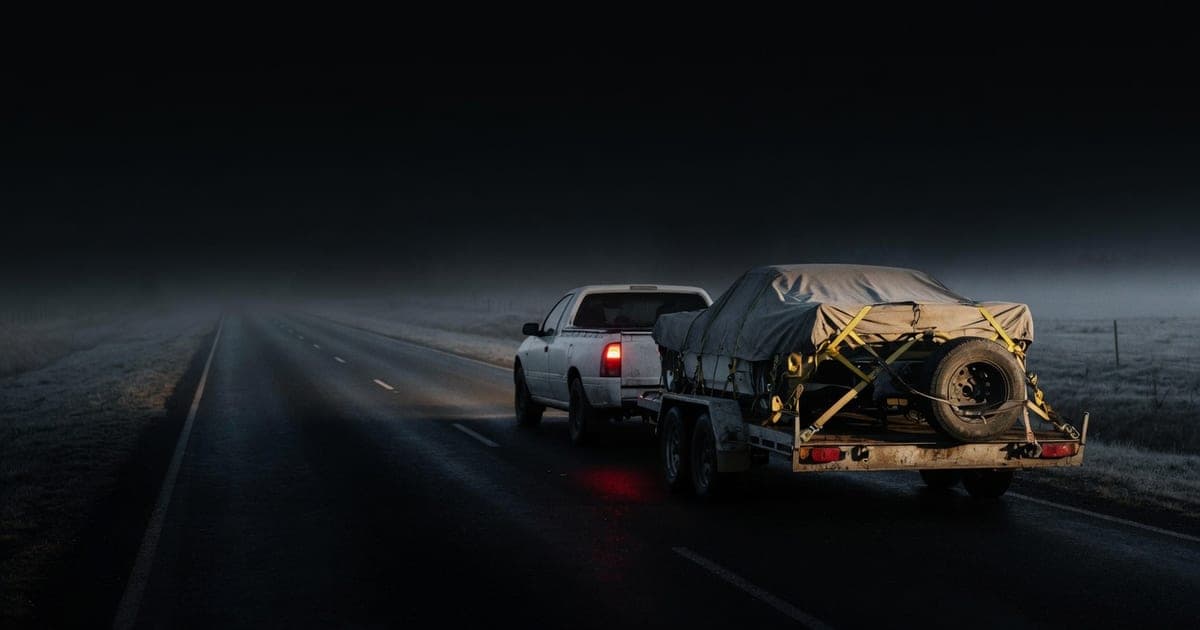
Short version: "track only" is not a legal category, it describes a car that cannot be registered as it sits, usually because of a welded diff, an uncertified cage, seats, harnesses or an engine swap. Every state and territory has an unregistered vehicle permit system, but those permits exist for repair, inspection and relocation, not for using the car, so assume you cannot legally drive one to a track day under its own power unless your own transport authority says otherwise. The normal answer is a trailer behind a registered tow vehicle. A Motorsport Australia log book gets you through scrutineering and confers exactly zero road legality. Budget the transport into the purchase, because that is the real cost difference against a registered car.
Everything below is general information, not legal advice. Registration and modification rules are state-based and they change, so confirm anything that matters with your own state or territory transport authority before acting on it.
What "track only" actually means
There is no box on a form that says "track only". The phrase is shorthand for a car with modifications that cannot pass a roadworthy, an engine swap with no engineering certification, a registration that lapsed years ago, or a build that was never meant for a road. The welded diff is the classic disqualifier and it is not road legal anywhere in Australia. Add uncertified fixed-back seats, harnesses without proper anchor points and quick-release steering bosses and the car is a long way from plates.
The consequence for a buyer: the seller cannot promise it will ever wear plates again. Treat "it would pass easily" as marketing until the certificates are in your hand.
For some buyers that is the point rather than the problem. A provisional driver in New South Wales, Victoria, Queensland or South Australia is restricted in what they may drive on a road, and an engine swap makes a car prohibited in all four regardless of how the power to weight sum comes out, which is set out in the engine swap and P-plate page. A car that lives on a trailer sits outside that restriction entirely, so trailering is a common and deliberate route into the sport rather than a fallback.
Getting it to the track: trailer, tow truck, or permit
Trailer, the normal answer
A car trailer behind a registered tow vehicle. Both the tow vehicle and the trailer need to be registered and roadworthy in their own right, and the trailer rated for the load. The car being carried is cargo rather than a vehicle in use on the road, so it needs no permit of its own. That is what practically everyone does.
Trailer hire commonly runs around $27 to $50 an hour with a minimum hire, so a local run lands near $100 to $150, and a decent used tandem trailer runs into the low thousands to buy. Strap at four points with rated straps, check your tow vehicle's rated capacity against the loaded weight, and take a second person, because an unregistered car often has no brakes and sometimes no steering lock.
Tow truck
A licensed operator solves the awkward cases: a car that will not roll, a pickup you cannot attend, or a long interstate leg. Expect a call-out fee commonly from around $99 plus an hourly rate commonly in the $140 to $180 range. For a one-off interstate buy, professional transport often beats doing it yourself.
Unregistered vehicle permits, state by state
Every jurisdiction has a short-term permit for moving an unregistered vehicle on a public road. Read what they are for: repair, inspection and relocation. They are not a substitute for registration.
- NSW: an Unregistered Vehicle Permit for a single or return journey, or for periods up to 28 days. Plates must be removed before driving on one.
- VIC: an Unregistered Vehicle Permit which the state says plainly is not a replacement for full registration, and not for general social or domestic use.
- QLD: you can drive directly to a safety certificate inspection or a Transport and Main Roads office without a permit if CTP is current, but a permit is required to drive to a mechanic. Cost commonly lands around $70 to $95 a day including CTP.
- SA: a permit is required, driving without one is an offence, and the journey must start and finish in South Australia.
- WA: two products. A Temporary Movement Permit covers 48 hours for moving a vehicle to inspection or repair before licensing, and an Unlicensed Vehicle Permit covers longer periods from around 60 hours up to 12 months, with advance notice required.
- TAS: a Short Term Unregistered Vehicle Permit up to 28 days, and Tasmania's guidance explicitly contemplates travel to an approved event, making it the one jurisdiction naming an event-related use.
- ACT: a day permit of around 12 hours or a 7-day permit, with a longer hardship permit requiring a roadworthy first.
- NT: a temporary licence for relocation or workshop trips.
The question everyone asks: can you use one to drive your drift car to a track day? Assume no. Only Tasmania's official material names approved events; every other jurisdiction frames these permits around repair, inspection and relocation without addressing motorsport either way. Ring your own authority before relying on it. Getting it wrong is an unregistered and uninsured driving offence, and the insurance side should scare you most: no rego usually means no CTP, and if you hurt someone the consequences are life-changing rather than financial.
The club permit myth
"I will just put it on a club permit" comes up constantly. For a modified drift car it almost never works. Every state runs a historic or classic concession scheme, and they share a shape:
- NSW: a Historic Vehicle Scheme for vehicles around 30 years and older that must stay essentially original, plus a separate Classic Vehicle Scheme that does allow modified vehicles but requires formal certification by a licensed certifier.
- VIC: the Club Permit Scheme, around 25 years and older, requiring financial membership of a participating club, a logbook entry for each use, and capped at 45 or 90 permit days a year. The car must still be safe and roadworthy.
- QLD: the Special Interest Vehicle concession is narrowly a street rod scheme built around pre-1949 bodies or certified replicas, with federation membership and technical committee certification. Not a general modified-car pathway.
- SA: a historic scheme around the 25 year mark requiring club membership, essentially original condition with minimal modifications, and a capped number of days a year.
- WA: a classic concession scheme with a rolling age threshold around 30 years.
Three things follow. These schemes are age-gated, and while some early S-chassis now clear the threshold in some states, that is only the first hurdle. They are built around originality or certified compliance, the opposite of an uncertified drift build. And they carry use restrictions, logbooks and day caps that make them useless for event transport. A car with a welded diff, an uncertified cage and no engineering paperwork does not qualify anywhere. If your car is genuinely old and original, check eligibility with the scheme and a participating club, but do not build a plan on it.
What a Motorsport Australia log book actually does
For competition, a car generally needs to be either road registered or hold a Motorsport Australia log book, issued after inspection by an approved scrutineer. The log book is what lets an unregistered car compete, and it travels with the car through scrutineering.
What it does not do is give you any right to drive on a road. It is a closed-course competition document, full stop. If you are heading toward club competition rather than practice days you will also need a competition licence, and the specification of cages, seats, harnesses and extinguishers is set by the relevant regulations, not by what looks tough.
What to check when there is no roadworthy to catch it
A registration inspection is a low bar, but it is a bar, and on a car that has not faced one in years the bar is now you. Australian roadworthy inspectors focus on a handful of areas, and they are exactly the ones a hard-used drift car fails in. Check them yourself, with the car in the air if possible.
- Structural rust in load-bearing areas. Chassis rails, floor pan, the metal around seatbelt and harness anchor points, suspension mounting points and around the fuel tank. Surface rust is cosmetic. Rust at an anchor or mounting point is the car.
- Seatbelt and harness anchor points. Inspectors test these for strength, not just presence. Where someone has retrofitted a harness bar or cage, look at what the anchors bolt to and whether there is a backing plate. A harness through thin floor pan is worse than a factory belt.
- Suspension mounting points and subframes. Aftermarket coilovers, arms and subframes concentrate loads the factory never planned for. Look for cracking, tearing, elongated bolt holes and amateur welding.
- Brakes as a system. Fluid condition and colour, corrosion or chafing on lines and hoses, pad and rotor life, pedal feel. Track cars cook brake fluid and nobody flushes it.
- Tyres, including age. Read the date codes. Track cars often wear years-old tyres with plenty of tread, and old rubber is a real hazard.
- The cage, honestly assessed. Certified or not? Bolted or welded, and to what? Does it come near your head without padding?
- The boring stuff a car develops sitting unused: perished hoses, seized calipers, a flat-spotted clutch, stale fuel.
If there is any chance you want this car road legal later, read what is actually ADR legal for bucket seats in Australia first, because certification is the expensive part and it is easier to walk into with your eyes open.
The honest cost difference against a registered car
Track-only cars look cheaper and frequently are, but the discount shrinks once you count the real costs:
- Transport, every time it moves. A trailer, a tow vehicle, or a paid tow. The biggest difference, and it never goes away.
- Storage. You cannot leave it on the street in most places, so it needs a shed, a yard or paid storage.
- The road-legal path, if you want one. Certification, engineering, an inspection and whatever it finds. Thousands, with no guarantee of a pass, so never buy assuming it will be cheap.
- Resale. A smaller buyer pool means it sells for less. That works for you buying and against you selling.
The upside is real: no rego, no CTP, no roadworthy, and you can build the car properly instead of around an inspection. For a car that only sees a skid pan that is the rational choice, and it is why so many of the best-value cars in the market wear no plates. What you must not do is buy one intending to drive it on the road "for now". That ends with an impounded car.
Buying one without inheriting someone else's problem
Check the VIN or chassis plate is present, legible and matches the paperwork, and ask for proof of ownership plus any import approval, old registration papers, engineering or cage certification and log book. A car with no paperwork trail is worth substantially less and carries real risk, because stripped and stolen cars circulate in this market and a buyer of stolen property can lose the car with no compensation.
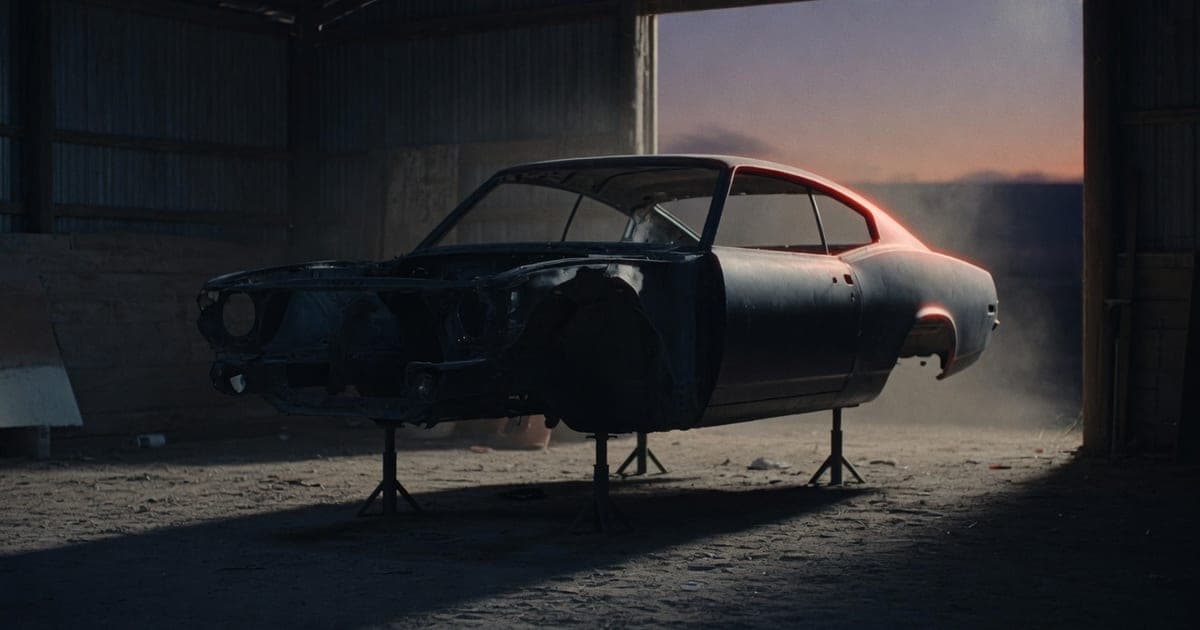
Otherwise, normal private-sale discipline: see it in person, never send a deposit for a car you have not inspected, and take someone who knows the chassis. The rust maps in the S-chassis buyer's guide are worth reading first, and if it is closer to a body than a car, the rolling shells guide covers that market.
Where to find them
Track-only cars are the best-value corner of the live listings, because the missing plates scare off half the market and the cars are often better prepared than anything registered at the same money. Ask what it would take to register it and whether certification paperwork exists, and arrange the trailer before agreeing a price. Budget for brakes and tyres too, because those are what a neglected track car needs first.
Selling one? List it free, state plainly that it is unregistered and sold as is, and it will find the buyer who was always going to trailer it anyway. On the other side of the deal covers pricing and photographing a built car so it does not sit.