What a Drift Build Really Costs in Australia: Budget, Mid and Comp-Level Breakdowns
6 min read
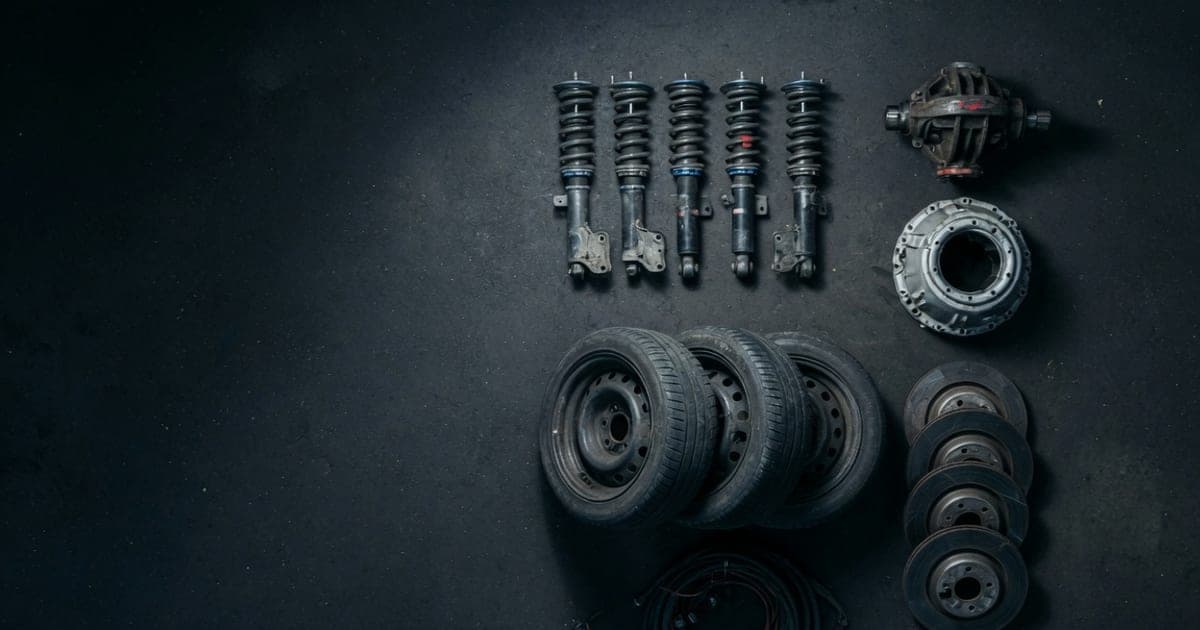
Straight numbers first. In Australia in 2026, a genuine entry-level drift build typically lands at $8,000-$15,000 all in, including the car. A mid-level build that can run hard at any practice day and enter club competition typically runs $20,000-$40,000. A serious competition car is $50,000-$100,000+ and the ceiling does not exist. The single biggest variable is the car you start with, and the most common budget mistake is spending everything on the car and having nothing left for the parts that actually make it drift. Here is where the money really goes, tier by tier.
The budget build: $8,000-$15,000 all in
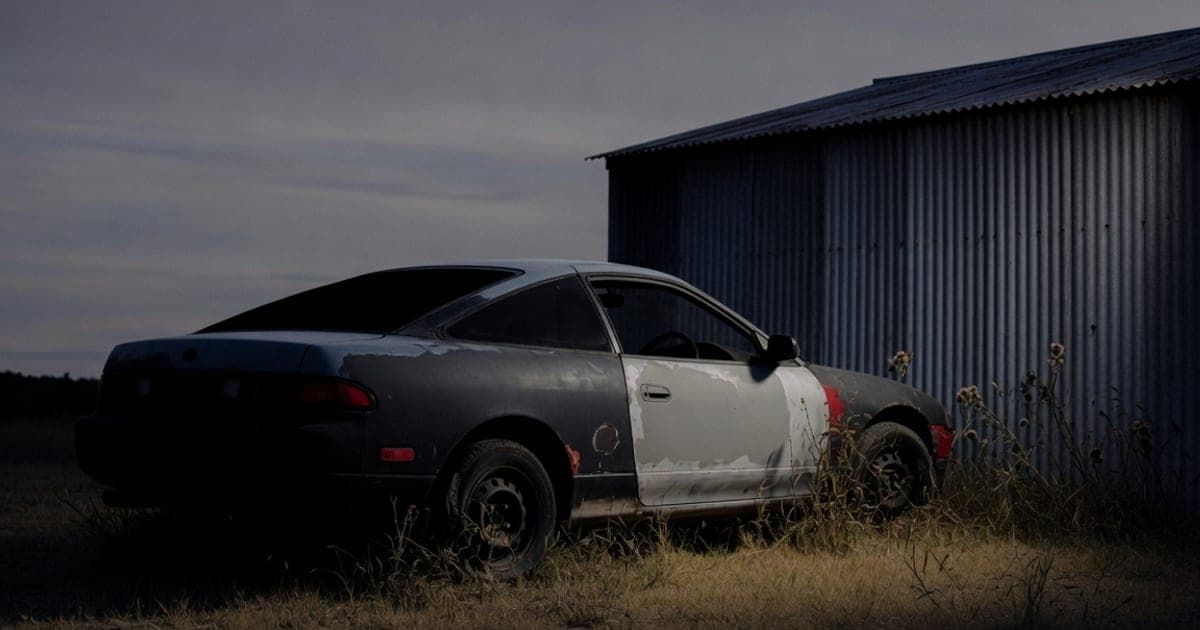
This is a Commodore, Falcon, E36 or MX-5 with the minimum done properly. Typical shape of the spend:
- The car: typically $3,000-$8,000. Six-cylinder RWD manual, straight body, no structural rust. See best first drift cars you can actually buy in Australia for the platform-by-platform reality, and cars that land under ten grand for what each band of that money buys.
- Diff: a welded open diff is typically $100-$400 at a driveline shop, or free with a mate and a MIG. It locks like a 2-way and costs nothing, which is why every budget build runs one. Not road legal anywhere in Australia, so this is the point the car becomes a track car (general info, not legal advice).
- Coilovers: used name-brand sets (BC, MCA generation-old, similar) typically $500-$1,200; new entry-level around $1,100-$1,800. Springs and valving matter more than the sticker. If you are buying secondhand, run the checks first so you are not buying someone's blown set.
- Steering and alignment: more caster and toe adjustment via secondhand adjustable arms, typically $200-$600 for the essentials. A full angle kit is not required to learn. Genuinely, it is not.
- Wheels and tyres: a set of straight secondhand rims typically $400-$1,000, and budget rears at $80-$150 a corner. Plan on destroying two to four rear tyres per practice day early on.
- Seat and harness: a fixed-back seat in usable condition typically $250-$800 secondhand, plus rails. Do not cheap out on the mounting.
- Helmet and basics: an approved helmet typically $300-$700 new. Buy helmets new.
- Slush fund: $500-$1,000 for the radiator, tailshaft centre bearing or wheel bearing that will fail in month one, because it always does.
That car will slide all day and teach you more than any parts catalogue. Entries and tyres become your real running cost: a practice day with entry, fuel and tyres typically runs $250-$500.
The mid-level build: $20,000-$40,000
This tier is where most committed drifters live: an S-chassis, 350Z, Skyline or JZX with proper parts, or a budget platform built up over two seasons.
- The car: typically $9,000-$25,000 depending on platform. S-chassis and JZX prices dominate this tier's budget, which is exactly why the 350Z is such strong value here.
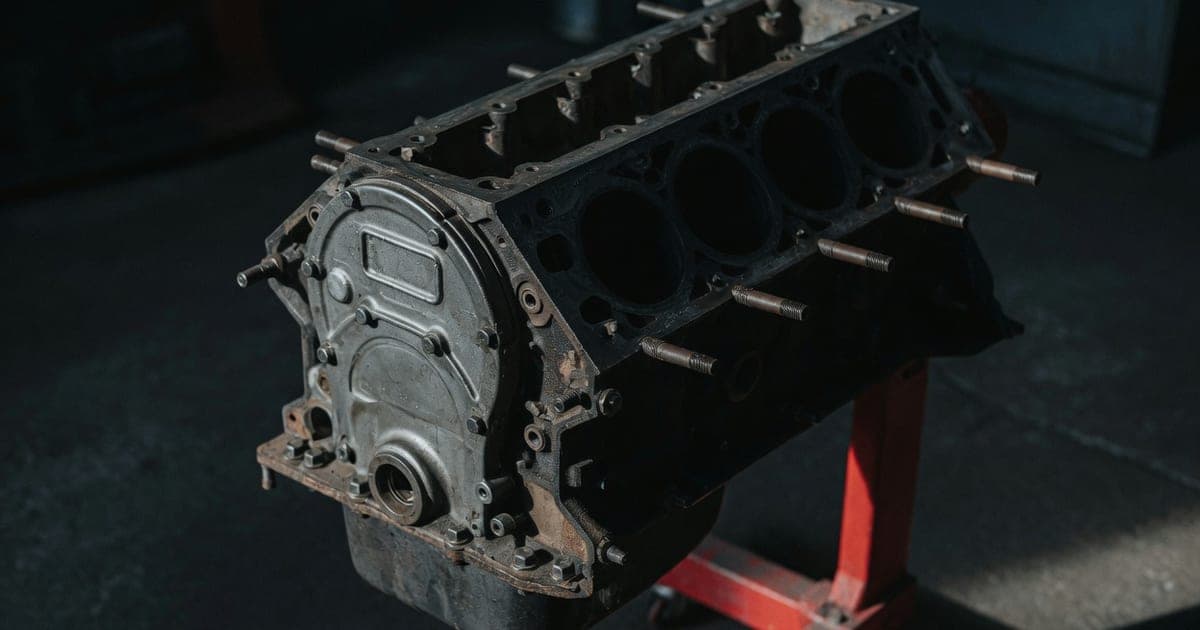
- Power: either the stock turbo six/V6 tidied up, or a swap. A healthy SR20, RB25 or 1JZ with supporting mods and a proper tune typically adds $6,000-$12,000 by the time it is in, running and tuned. The engine choice trade-offs are covered in SR20 vs RB25 vs 1JZ, and if the answer is the Australian one, a Barra conversion, line by line prices out the swap-specific parts. Target 180-280kW: more than that at this tier buys tyre bills, not trophies.
- Proper LSD: a used 2-way or 1.5-way centre typically $600-$1,500, new typically $1,500-$2,800. Transforms the car versus a welded diff on track surfaces with grip changes.
- Suspension done right: quality coilovers valved for drift (MCA, Shockworks, BC with sensible spring rates) typically $1,500-$3,500 new, plus a full set of adjustable arms typically $800-$2,000.
- Angle: knuckles or a bolt-on angle kit typically $500-$3,000 depending how far you go. At this tier it earns its keep; wall-adjacent proximity runs want the lock.
- Cooling and reliability: bigger radiator, oil cooler, decent pads and fluid, typically $1,000-$2,500 combined. Boring, and the difference between driving all day and trailering home at lunch.
- Wheels: two sets (a grippy front set, sacrificial rears) typically $1,500-$3,500 across four to eight wheels secondhand.
- Safety: better seat, harness, and for club comp a bolt-in or welded half cage, typically $1,500-$4,000 depending on spec and who builds it.
The comp build: $50,000 and up
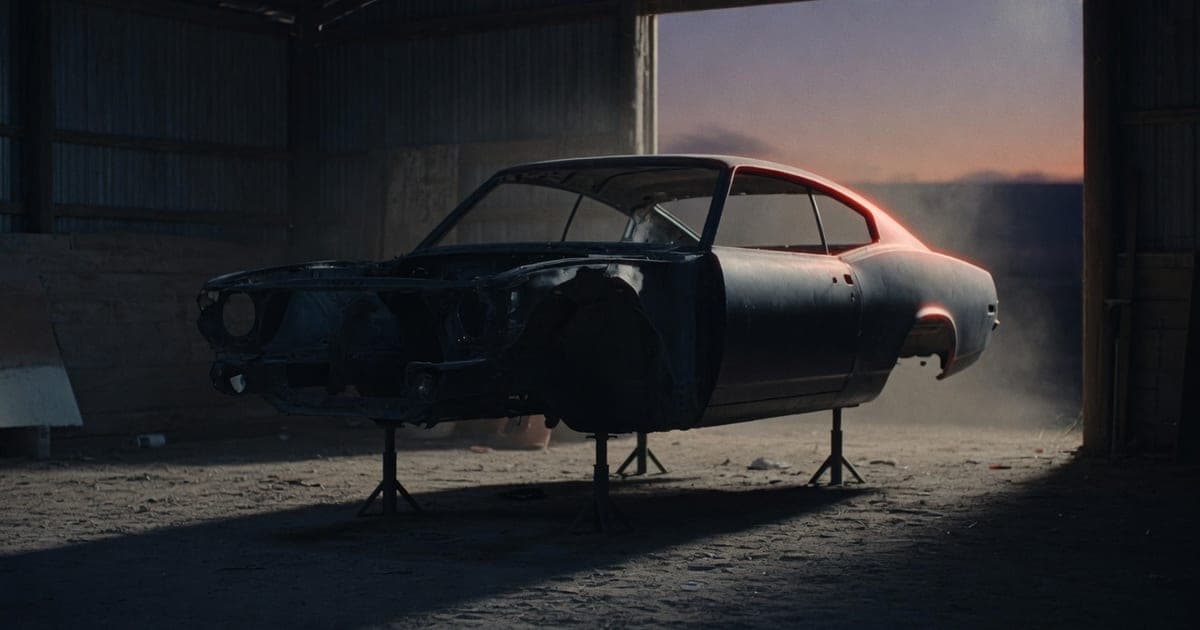
Competition cars are a different economy. A caged shell built by a fabricator, a built engine making 400kW+, a dog box or built gearbox, hydraulic handbrake, full angle kit with recentred steering, spare panels, spare wheels, and a trailer to move it all. Any single line item above can exceed an entire budget build: a competitive engine package alone typically runs $15,000-$40,000, a full weld-in cage $3,000-$8,000, and a season of comp tyres and entries can pass $10,000. Nobody should price a comp car from a blog post; price it from a season of club comp and the paddock conversations that come with it.
The costs nobody budgets
- Tyres forever. The eternal line item. Whatever you estimated, add more.
- Transport: a car on a welded diff needs a trailer or very tolerant rego strategy. Trailer hire is typically $80-$150 a day; buying a tandem trailer typically $3,000-$8,000 used.
- Breakage: gearboxes, tailshafts, radiators and bumpers die in normal operation. $1,000-$2,000 a season in attrition is normal at mid-level.
- Engineering and rego, if the car stays road registered: engineering approval for swaps and seats varies by state and can run $1,000-$3,500 in inspection and certification costs (general info only, rules differ per state).
- The resale gap. Build money is not resale money, and what you get back when you sell it is the number that decides whether the whole exercise was expensive or ruinous.
A sample first-season budget, end to end
To make the numbers concrete, here is what a typical first season looks like for someone starting from zero with a $12,000 ceiling: $6,000 on an E36 or Falcon with rego history and a straight shell, $300 on the welded diff, $900 on used coilovers checked and rebuilt where needed, $400 on secondhand adjustable arms and a proper alignment, $700 on a used seat, rails and a new harness, $500 on a new helmet, $800 on two sets of used rims with fresh cheap rears, and the remaining $2,400 held for entries, fuel, tyres and the inevitable radiator. That car finishes the season having taught its driver more than double the budget spent on the same car with a big turbo would have. Scale the same proportions up or down and the plan survives contact with reality: roughly half on the car, a quarter on making it drift, a quarter on actually driving it.
How to spend less than everyone else
Buy secondhand, buy proven, buy local, and know which channel suits which part before you start, because the wrong one costs weeks as often as it costs money. The classifieds are full of parts off builds that changed direction: coilovers with two events on them, complete diffs, seats, angle kits. A disciplined secondhand build saves 30-50 percent versus a catalogue build with zero performance difference on track. Check the current listings before paying retail for anything, and cross-check them before you accept an importer's sticker price. The other saving is buying someone's finished or half-finished drift car outright: a car with the cage, diff and coilovers already in it almost always costs less than building the same car yourself, because the seller never gets their labour back.
Coilovers are the line item where this saves the most, so start with inspecting a secondhand set properly. Sanity-check every private deal the boring way: see the part, test what can be tested, and never send deposits into the void. The buying safely guide covers the patterns to avoid.
Start where you are
The best build is the one that gets driven. Set the budget, keep a third of it for consumables and entries, and browse the live listings to see what your number actually buys this month. And when your build evolves past its old parts, list them free: your take-offs are the next person's budget build, and that is how the whole scene keeps rolling.