Half Cuts Explained: How Australians Legally Import a JZX100 Front Clip (and What It Costs)
6 min read
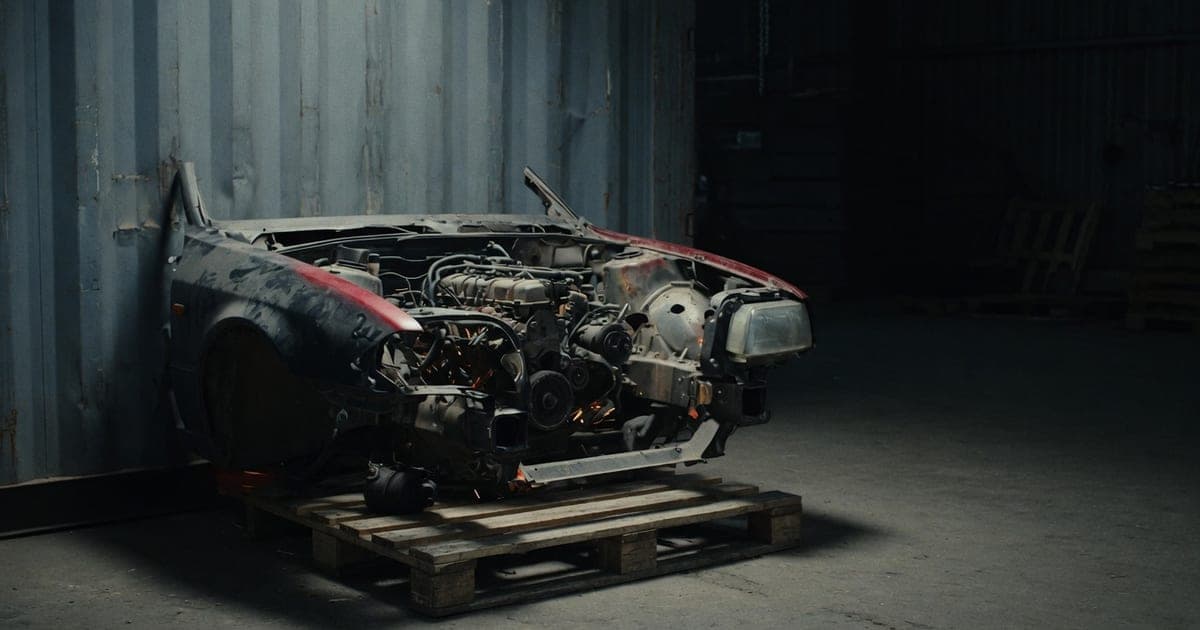
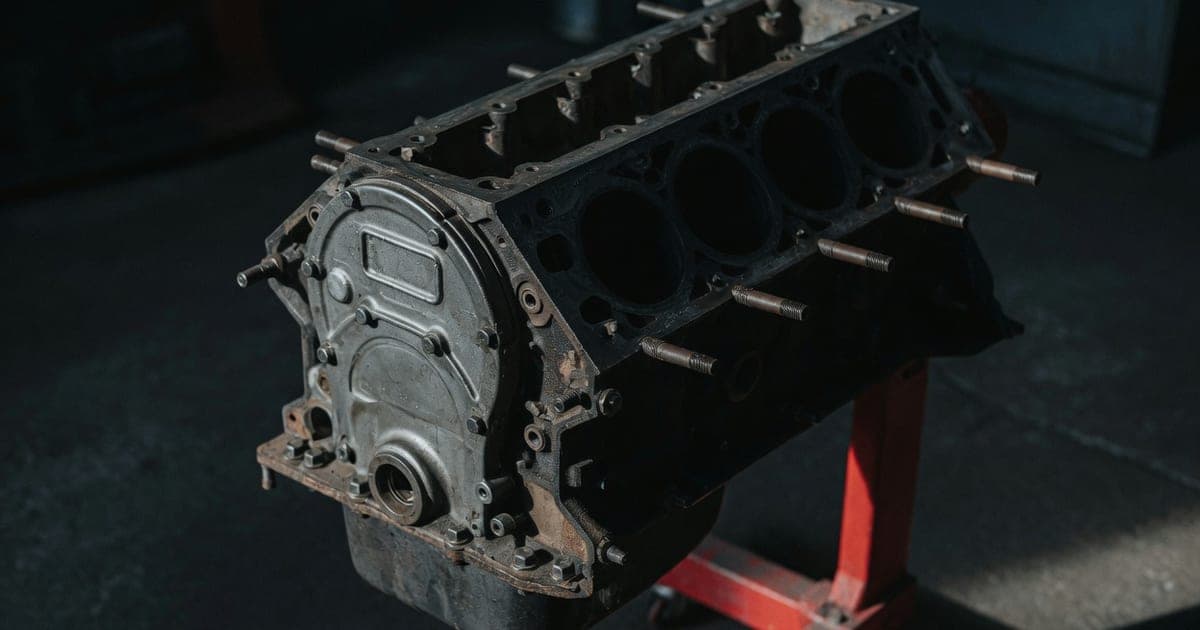
A half cut is the front section of a donor car, cut behind the firewall or front seats in Japan, shipped as parts rather than as a vehicle. You get the engine, gearbox, wiring, ECU, accessories, crossmember, suspension, brakes, radiator and usually the front panels, all still bolted together the way the factory assembled them. For anyone doing a 1JZ or SR swap, that completeness is the whole point: no hunting for the one bracket or plug that never comes with a bare engine.
Here is how the process actually works for an Australian buyer, what it costs, and where people get burned.
Why buy a half cut instead of a bare engine
A bare imported engine typically arrives as a long block with a turbo and manifolds if you are lucky. A half cut arrives with everything the engine needs to run: the full engine loom, ECU, ignition, intercooler and piping, accessory brackets, power steering pump, the radiator and fans, and the pedal box and column if the cut is generous. When you are swapping a 1JZ-GTE into something, the difference between "engine" and "front clip" is often weeks of chasing small parts that cost far more individually than they should. The rest of the JZX100 parts picture explains why those small parts are the hard bit to source here.
The other advantage is honesty. An engine sitting on a pallet tells you nothing. A half cut shows you the car it came out of: the condition of the engine bay, whether the car was hit, how it was maintained. Rust-free strut towers and a clean bay are evidence in a way a steam-cleaned long block never is. The comparison worth making is against a locally sourced Barra, which lands complete with no freight and no leftover clip to dispose of.
The downside is bulk. A half cut is a crate the size of half a car, so freight, storage and disposal of the leftover shell section all cost real money, and you need somewhere to work on it.
The legal position, in plain terms
General information only, not legal advice, and import rules change, so check the Department of Infrastructure's current guidance before committing money.
The core distinction is vehicle versus parts. Importing a road vehicle into Australia requires approval under the Road Vehicle Standards framework. Parts do not require that approval. A genuine half cut, meaning the front section only, with the rest of the shell gone, is imported as used parts, which is exactly why the half cut trade exists in the first place.
The trap is that "cut in half" does not automatically mean "parts" in the regulator's eyes. A substantially complete vehicle shipped in pieces can still be treated as a vehicle requiring import approval. Importers who ship a full shell "cut" with both halves in the container are playing a different and much riskier game than someone importing a front clip. If you are buying from an established importer, this is their problem to manage and the mainstream operators manage it properly. If you are arranging your own import, get advice from a customs broker who handles half cuts before the car is cut, not after it lands.
Two other border issues matter more in practice than the vehicle question:
Asbestos. Australia has zero tolerance for asbestos in imported goods, and older Japanese cars can carry it in gaskets, brake and clutch components. The Australian Border Force can require testing at your cost, and positive findings mean the affected parts are seized or destroyed. Established importers deal with this; private importers of older donors need to take it seriously.
Biosecurity. The clip must arrive clean. Soil, leaves and organic material trigger quarantine cleaning at your expense, and a dirty container can sit for weeks. Japanese exporters who regularly ship to Australia know the standard; a cheap one-off exporter may not.
What a half cut actually costs
Treat all of these as typical ranges, not quotes. Prices move with auction prices in Japan, the exchange rate and freight markets.
- The clip in Japan. Depends entirely on the donor. Common donors with ordinary engines are cheap; a JZX100 with a 1JZ-GTE and a manual box costs serious money in Japan now because everyone wants the same thing you do.
- Freight and clearance. Shared container space, port fees, customs clearance and GST stack on top. GST applies to the value of the goods plus international transport and insurance, and duty may apply on top of that depending on classification.
- Landed reality. By the time an in-demand turbo front clip is sitting in your driveway, all-in figures in the mid four figures are common, and desirable clips go well beyond that. Importers who advertise half cuts locally have already absorbed the freight risk, and their margin is often worth paying compared to running your own import for a single clip.
- Local delivery. A half cut needs a truck with a tilt tray or forklift access at both ends. Get this quoted before you buy, not after.
Compare that against buying the parts individually. A loose 1JZ-GTE with loom and ECU, sourced locally, often costs less in cash but arrives incomplete, and completing it from classifieds finds and new parts adds up quickly. The half cut premium buys completeness and evidence. Which car the clip comes out of matters as much as the engine in it: Soarer and Supra as platforms covers where the cheaper 1JZs and 2JZs actually come from.
Buying one that already landed
You do not have to import. Half cuts and front clips are regularly sold within Australia by importers and by builders who bought one, took the engine, and want the rest gone. This second category is the bargain of the whole scene: a stripped clip with the suspension, brakes, subframe, steering and panels intact often sells for a fraction of what those parts cost separately, because the seller mainly wants their floor space back.
When buying a landed half cut:
- Confirm what is still on it. Clips get picked over. Get a current photo set and a parts inventory in writing before you agree on price. Our anti-scam guide applies double to four-figure transfers for half cuts.
- Ask for the import paperwork. A legitimate importer can show the clip's customs history. That paperwork also matters when you later sell parts off it.
- Hear the engine if it is claimed as a runner. Plenty of clips get compression tested and even run on the crate. If the seller claims a running engine, ask for video with the exhaust audible and the ignition visible.
- Check the cut line. A cut behind the seats gives you dash, column, pedals and more loom. A cut at the firewall gives you less. Both are sold as "half cuts" and are not worth the same money.
Engine numbers, rego and your build
A half cut engine going into a registered car still has to satisfy your state's rules: engine number recording, emissions requirements for the engine's era, and an engineering certificate where the swap requires one, which a turbo conversion into a naturally aspirated chassis generally does. The rules differ by state and this is general information, so talk to your state authority or a certifying engineer before the engine goes in, not at the rego inspection. Our wreckers directory covers who dismantles locally if you decide a landed donor beats importing.
Where the leftovers go
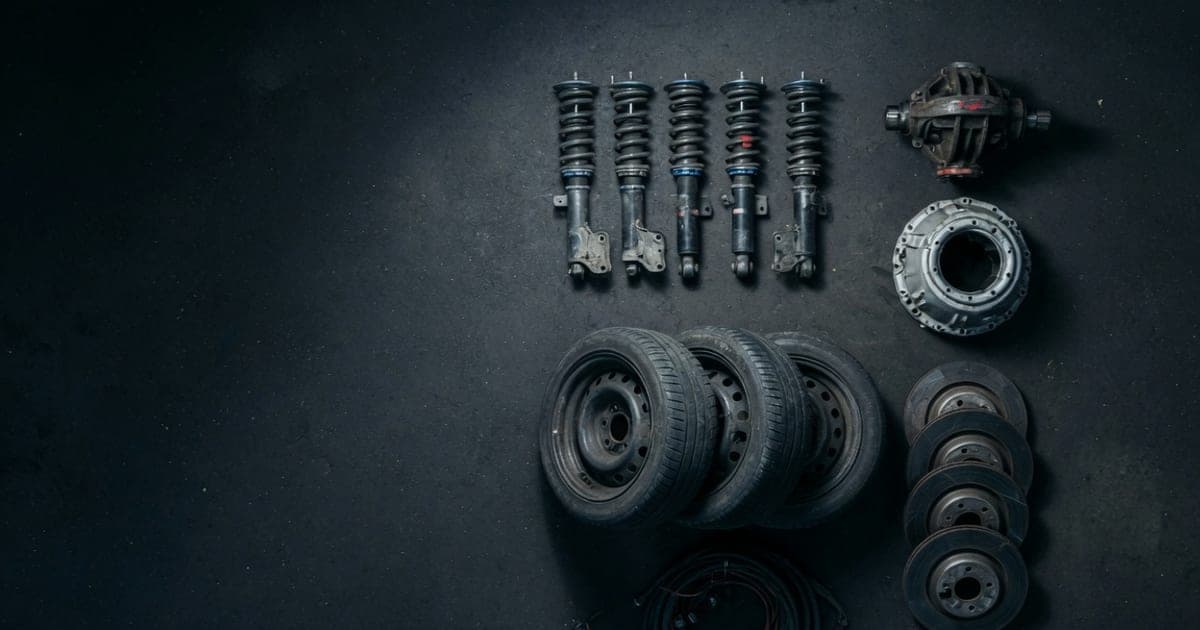
A half cut yields more parts than any one build uses. The diff and box you did not need, the brakes, the uncut panels, the interior pieces from behind the cut line: all of it has a buyer, especially for JZX and S-chassis donors where OEM parts are drying up. Selling the surplus routinely claws back a large slice of the landed cost, and it is why importing a clip can beat buying a bare engine even on pure dollars.
Turn the surplus into money
Browse what is already landed, filtered to your chassis. And if you have a picked-over clip in the corner of the shed, list the parts free: JZX and S-chassis builders are searching for exactly the brackets, looms and trim you are about to trip over for the third year running.