Nissan Laurel C33, C34 and C35 in Australia: The Four-Door RB You're Sleeping On
6 min read
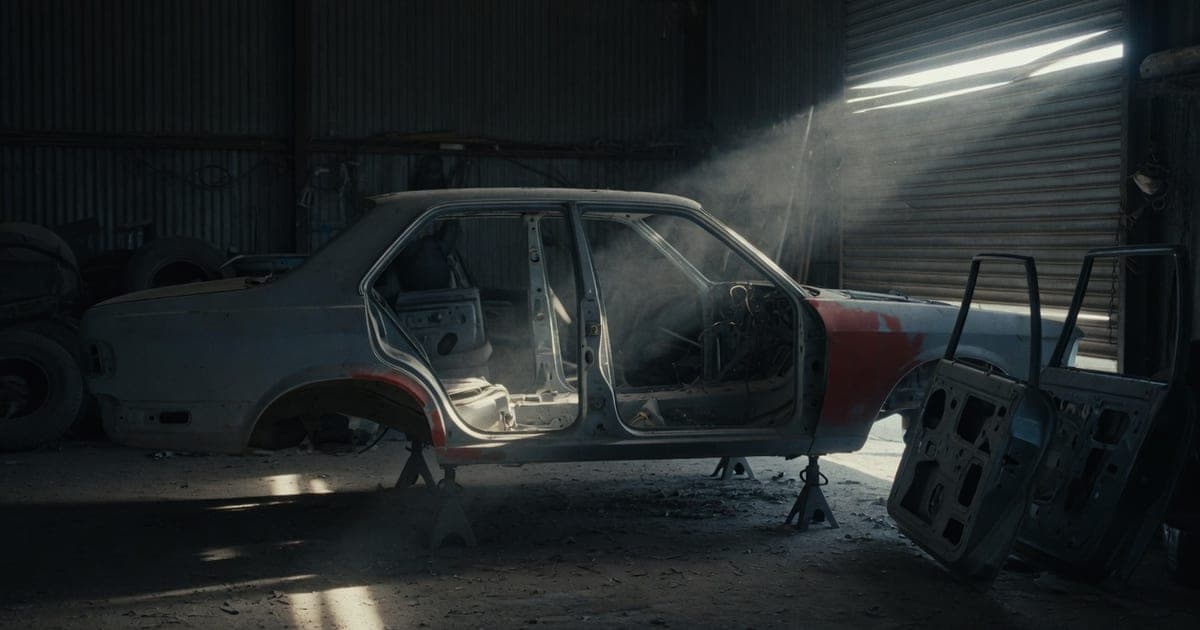
Short version: the Laurel across its C33, C34 and C35 generations is a genuinely good drift platform that most people overlook because it never got the marketing the Skyline did. Every generation ran an RB20 or RB25 in some form, right up to the RB25DET Neo in the last C35s, the chassis shares real driveline and suspension lineage with the Skyline rather than the S13, and asking prices sit well under equivalent Skyline money because so few people are looking. The trade off is a thinner parts market: mechanical bits are covered by the RB aftermarket, but body and interior parts are a genuine hunt because so few Laurels ever left Japan.
Three generations, one RWD family
Nissan built the Laurel as a mid-size RWD sedan across decades, and the three generations that matter for drift are the ones running the RB six.
C33 (1988 to 1993)
The first Laurel with the full RB lineup: RB20E as the base single-cam engine, RB20DE and RB20DET as the twin-cam naturally aspirated and turbo options, and RB25DE and RB25DET further up the range. The turbo car was badged Medalist, and the Medalist Turbo's RB20DET is the same engine family fitted to the R32 Skyline of the same era.
C34 (1993 to 1997)
The range rationalised to RB20E, RB20DE, RB25DE and RB25DET, plus an RD28 diesel nobody drifting is chasing. The turbo trim carried the Club S Turbo badge.
C35 (1997 to 2002)
RB20E dropped out, leaving RB20DE, RB25DE and RB25DET, with the last cars picking up the RB25DET Neo: variable cam timing, solid lifters, and a factory ceiling well past what the earlier RB25DET is comfortable with. Trim names to know are Medalist, Club S, Club S Turbo and Club S Type X, which is the one you actually want if you find one.
Every one of these is rear-wheel drive. Most are automatic, which matters for a drift build: a factory five-speed manual, especially in Club S Turbo form, is genuinely rare in Australia and commands a real premium over an equivalent auto. Budget for a gearbox swap as the likely reality rather than the exception.
What the Laurel actually shares with the Skyline, not the S13
The common assumption is that a four-door RB Nissan of this era must be an S13 relative. It is not. Chassis lineage runs C33 to R32, C34 to R33 and C35 to R34, generation for generation, in the same way the Skyline sedan always tracked the coupe. That is where the deep driveline compatibility comes from: RB engines, gearboxes and a meaningful slice of the diff and suspension hardware share DNA with the equivalent Skyline, covered in more depth in our R32 vs R33 vs R34 parts guide, which is the single biggest reason a Laurel is a sensible RB platform rather than an obscure one.
There is a genuine secondary crossover with the S13 worth knowing about, mostly at the front end. S13 struts and springs are a known lowering swap onto the C33 front end, because both use the same era of McPherson strut architecture, and drift builders report broader rear-end compatibility across S13, C33, A31 Cefiro, R32 and R33 hardware when hunting for stub axles, arms and driveline pieces. Treat that as useful bolt-on parts-bin knowledge, not evidence the two cars are related platforms, because they are not. The Skyline relationship is the one that actually matters when you are sourcing an engine, box or diff.
Parts sourcing reality in Australia
The Laurel was never sold new in Australia. Every one here came in as a JDM import, which puts it in the same boat as the Cefiro, Chaser and Soarer: no dealer back catalogue, no local factory support, used market only for anything chassis specific.
The mechanical side is in better shape than the rarity of the car suggests, because the RB driveline hooks into the same aftermarket that supports every Skyline in the country. Turbo upgrades, gaskets, coilovers built for the chassis and diff hardware are all reachable, and a handful of Australian businesses specifically stock Laurel parts: Drift Racing Industries in Sydney runs a dedicated C33 range, and general JDM importers like JustJap and Faction Motorsports list compatible pieces alongside their Skyline stock. Moonlight Racing in Japan is a common route for anything that needs to be sourced fresh from the home market.
Body panels, interior trim, lights and switchgear are the hard column, same story as every low-volume JDM import: whatever the used market has is what exists, and it is thinner than S-chassis or even Skyline trim because so few Laurels came to Australia in the first place. Our wreckers directory covers who dismantles Japanese imports state by state, though a Laurel showing up whole on a wrecker's floor is genuinely rare; most of what surfaces comes from private sellers who parted one out.
Check rust carefully before you buy. Rear arches and subframe mounting points are the areas worth a torch and a magnet, same as any thirty plus year old Japanese unibody.
Why choose a Laurel for drift
Four doors is the practical case people undersell: it is a real car you can use for more than track days, which matters if this is your only vehicle. The RB20 and RB25 give you a genuine factory turbo option without a swap, and the late C35's RB25DET Neo is a legitimately strong engine to build on if you find one. The chassis is stable and predictable in the way a Skyline sedan is, unsurprising given the shared lineage.
Price is the other half of the case. Hard sales data on Laurels in Australia is thin because so few change hands, but a recently listed, registered, drift-ready C33 asked around the mid teens, and the consistent word from owners is that a Laurel costs noticeably less than a comparable Skyline running the same engine family. That tracks with how the rest of the market treats these cars: best first drift cars you can actually buy in Australia already flags the four-door Nissans as cheaper than a JZX100 for the same big, stable, RB-powered brief. If your heart wants a Skyline but your budget does not, a Laurel gets you most of the engineering for a fraction of the outlay, at the cost of rarity and a thinner parts hunt. The A31 Cefiro is the other side of that same trade and worth pricing against it.
Buying and compliance notes
Manual boxes are the scarcest single item on this car; decide early whether you are hunting for one or planning a swap, because waiting for the right auto to manual donor can take a while. On the RB25DET Neo cars specifically, confirm what you are actually looking at before you pay a premium for it, because the earlier RB25DET and the Neo are meaningfully different engines under the same name.
General information only, not legal advice: like every JDM sedan of this era, a Laurel enters Australia under the used vehicle import rules current at the time, and those rules and the eligibility of specific variants do get revisited, so confirm the current position before you commit money to an import rather than relying on an old forum thread. If you are buying a car already landed and complied in Australia, this is somebody else's problem already solved, which is one more reason a locally complied example is worth paying a bit more for over an uncomplied private import.
Find one or sell the spares
Browse what is actually listed right now, including the front-end and rear components behind the S13 lowering swap and the Skyline crossover parts. If you have parted a Laurel and the trim, lights or interior pieces are sitting in a shed because nobody local seems to want them, list them free: the handful of people running these cars are actively searching for exactly what you are about to throw out.