A31 Cefiro Parts in Australia: The Cheap RB Four-Door and the HICAS Question
7 min read
Short version: the A31 Cefiro is one of the cheapest ways into a real RB-powered RWD Nissan in Australia, its suspension and driveline share genuine DNA with the R32 Skyline that followed it, and the one thing every owner ends up doing is dealing with HICAS, the factory rear-steer system that actively fights a car you are trying to slide. Get comfortable with a lock bar or a delete kit, know what actually crosses over from the R32 parts bin, and the Cefiro is a legitimately smart drift buy rather than a compromise.
What is actually under the bonnet
The A31 Cefiro sedan ran in Japan from 1988 into the early 1990s, built on Nissan's RWD C-platform. Its 2,670mm wheelbase is shared with the C33 Laurel, not with the R32 Skyline that arrived a year later: the R32 sits on 2,615mm, so the Cefiro is 55mm longer between the axles. What it does share with the R32 is the engine and gearbox family and the rear suspension architecture, which is the part that actually matters for parts hunting. Engine options across the range:
- RB20E: the base single-cam six, modest power, the entry point of the range
- RB20DE: twin cam, naturally aspirated, a genuine step up but still no turbo
- RB20DET: the turbo six, and the engine most drift builds are actually chasing
- RB25DE: a naturally aspirated 2.5, fitted to later upper-trim cars for torque, not turbocharged from the factory
- A limited Autech edition ran a hotter RB20DET-R
Worth being precise about one common mix-up: the factory RB25 in an A31 was naturally aspirated. An RB25DET sitting in an A31 in a drift build is an aftermarket swap, usually sourced from a wrecked R33 GTS-t, not something Nissan ever put there. If a seller describes their Cefiro as a factory RB25DET car, ask more questions.
HICAS, Nissan's rear-wheel steering system, was fitted to a number of grades. More on that below, because it is the single most important thing to understand before you buy one for drift.
There is no coupe or hardtop A31. It is a sedan, full stop, which is exactly the four-door practicality that makes it attractive as a daily-ish drift car in the first place.
HICAS, and why you will end up deleting it
HICAS activates above roughly 80km/h and steers the rear wheels slightly to improve high-speed stability and lane-change response, which is a genuinely good system for the grip driving Nissan designed it for. It is a genuinely bad system for drifting, because it steers the rear toward correcting the exact slide angle you are intentionally inducing, fighting your countersteer input at the moment you most need the car to do what your hands are telling it to do.
Two common fixes, in order of how most people actually approach it.
Lock bar
The cheap, common first step. It keeps the factory toe arms and ball joints in place and simply locks the rear steer rack centred, so the rear stops actively steering without you touching the rest of the rear suspension geometry.
Full elimination kit
Aftermarket kits, the sort sold for R32, R33 and R34 HICAS delete, adapt across to the A31 and S13-style rear ends and replace the rear toe-control arms outright rather than just locking the factory system in place. More thorough, more money, the choice for a car being built properly rather than patched.
Either way, do not skip this step and expect the car to behave. A HICAS-equipped Cefiro that has not been addressed is genuinely harder to drift than one that never had the system, because it is actively working against you rather than just being neutral.
What crosses over with the R32 Skyline, and what does not
This is the genuinely useful part, and it splits cleanly.
What crosses over
The crossover is real, but it is worth being clear about where it comes from, because the popular version of this story is wrong. It is not a shared wheelbase: the A31 is 2,670mm and the R32 is 2,615mm, and the car the Cefiro actually shares a body platform and a wheelbase with is the C33 Laurel. What the A31 shares with the R32 is the engine and gearbox family and the rear suspension design, and Nissan used that same rear end across the S13, the R32, the C33 and the A31, close enough that a genuine non-HICAS rear subframe is listed by wreckers as one part number for all of them.
That is why the rear is the good news. Turbo A31s left the factory with an R200 carrying a viscous LSD, the same case family as an S13, an R32 GTS-t and an R33, so the secondhand LSD centre market open to you is far bigger than "A31 parts" alone would ever offer. Two things to check before you buy a centre rather than after: naturally aspirated and lower-grade cars can be R180 instead, and the axle stub bolt pattern differs between cars (the 3x2 and 5x1 patterns), which is what decides fitment rather than the chassis code in the ad.
Front-end and front subframe parts follow the Laurel more than the Skyline, so do not assume a front component crosses just because a rear one did. Match the part to the chassis code it was pulled from.
What does not cross over
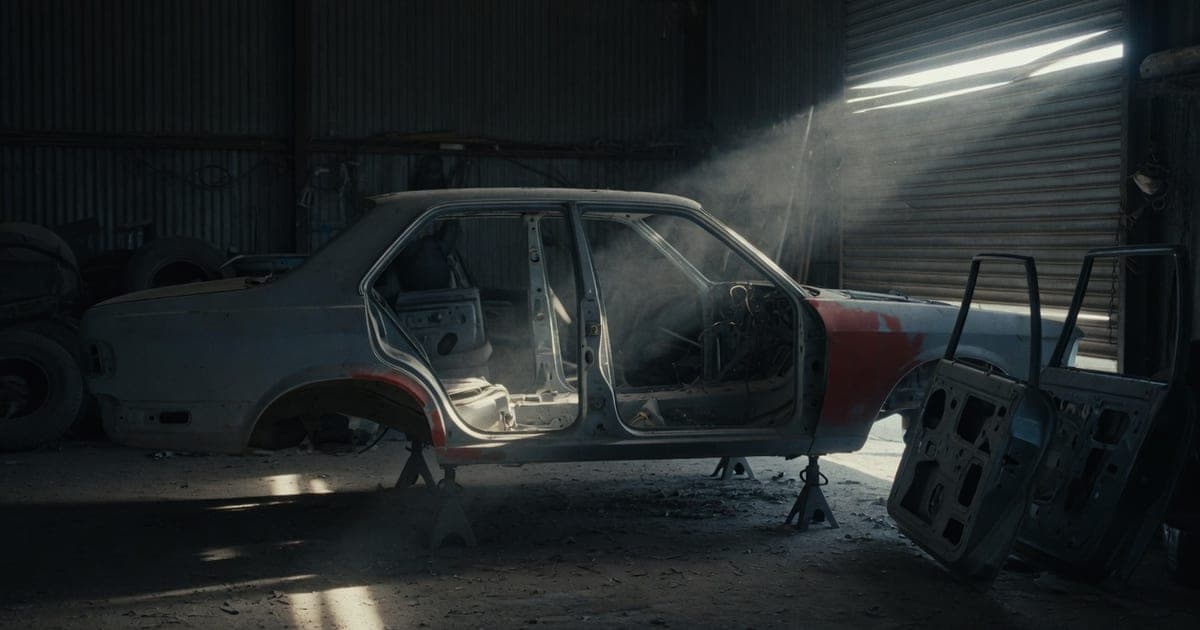
Body panels and sheet metal are unique to the Cefiro. None of it interchanges with the Skyline, so guards, doors, bonnets and glass are their own hunt, same as every low-volume JDM sedan.
The practical read: buy the driveline and rear suspension confidence that comes with Skyline compatibility, and go in accepting that the body is its own, thinner market.
Why the A31 works as a drift car
Four doors and a genuinely comfortable factory interior mean this can be your only car while you learn, which matters more than people admit when they are pricing a first build. The engine bay accepts the whole RB20 to RB26 swap family without drama, because Nissan built the platform around that engine architecture from the start. The C33 Laurel is the same idea wearing a different badge and is worth pricing alongside it. Owners consistently describe the chassis proportions as naturally suited to drift: at 2,670mm the Cefiro is 55mm longer between the axles than an R32, long enough for stable, readable slides and still tight enough to transition without feeling like a barge.
The known weak point, HICAS aside, is factory steering angle, which is limited in the same way most Nissan RB-chassis cars of this era are limited. A steering angle kit is closer to mandatory than optional if you actually want to drift it rather than just look the part.
Aftermarket support sits below S-chassis and Skyline levels because of that body panel gap above, but the mechanical side is well covered through the crossover already described. For a broader look at where the RB20 and RB25 sit against the other engines you would consider for this kind of build, see SR20 vs RB25 vs 1JZ.
Parts sourcing and pricing reality
The Cefiro was never sold new in Australia, grey import only, same as the Laurel and the wildcard Nissans generally. Mechanically you are in reasonable shape thanks to the Skyline crossover and the general RB aftermarket covered in our R32 vs R33 vs R34 parts guide; cosmetically and for interior trim, you are hunting the same thin, patient market every JDM-only import buyer hunts.
Current Australian pricing is genuinely hard to pin down with any confidence, because so few change hands and public listing data is thin. What is consistent across the people who actually own and drift them is the general positioning: this sits toward the cheap end of the RB-powered options, noticeably less than a comparable Skyline, and less again than a JZX100. Treat any specific number you see in a classifieds ad on its individual merits rather than assuming it reflects the wider market, and lean on the checks in buying used JDM parts without getting scammed before sending money on one sight unseen, because a car this thinly traded is exactly the kind of listing scammers like to fake.
Compliance, briefly
General information only, not legal advice: the A31 comes into Australia under the used vehicle import rules current at the time of import, the same framework every JDM-only grey import goes through, and specifics are worth confirming fresh rather than trusting an old forum post. A HICAS delete and a steering angle kit are modifications on top of that, and if the car stays road registered, check your state's current position on both before you weld or bolt anything permanent in.
Go find one
Browse everything currently listed for RB20 and RB25 options and the R32-compatible LSD centres this chassis can run. If you have deleted your HICAS and the factory arms and pump are sitting in a box, or you parted a Cefiro and the panels nobody local wants are taking up shed space, list it free: a thin market cuts both ways, and the next A31 owner is actively searching for exactly what you are sitting on.