R32 vs R33 vs R34 Parts in Australia: What's Interchangeable, What's Unobtainium, What It Costs
6 min read
The short version: R32, R33 and R34 Skylines share far more than people assume in their drivelines and RB engine families, and far less than people hope in their panels, lights and interiors. Mechanical parts for the non-GTR cars remain reasonable in Australia; anything GT-R, anything body, and anything R34 has climbed with the cars' values and keeps going. Knowing what interchanges across the three chassis is the difference between a cheap fix from a wrecker and a four-figure wait on a part from Japan. Here is the map.
The state of Skyline supply in Australia
Australia imported Skylines in numbers for decades, plus the Australian-delivered R31s and the ADM R32 GTS-T holds a small local place of its own. That history left a deep parts pool, but it is draining: US 25-year import eligibility swallowed R32s years ago, R33s followed, and R34s are now in the window. Cars and parts leave the country every month, and the wreckers that specialise in Skylines sell into a global market, not just ours. Prices reflect worldwide demand now. The practical effect: buy needed parts when you see them, because the next one costs more. It is also the argument for looking hard at the A31 Cefiro that shares its bones.
What interchanges across R32, R33 and R34
Engines: one family, many details
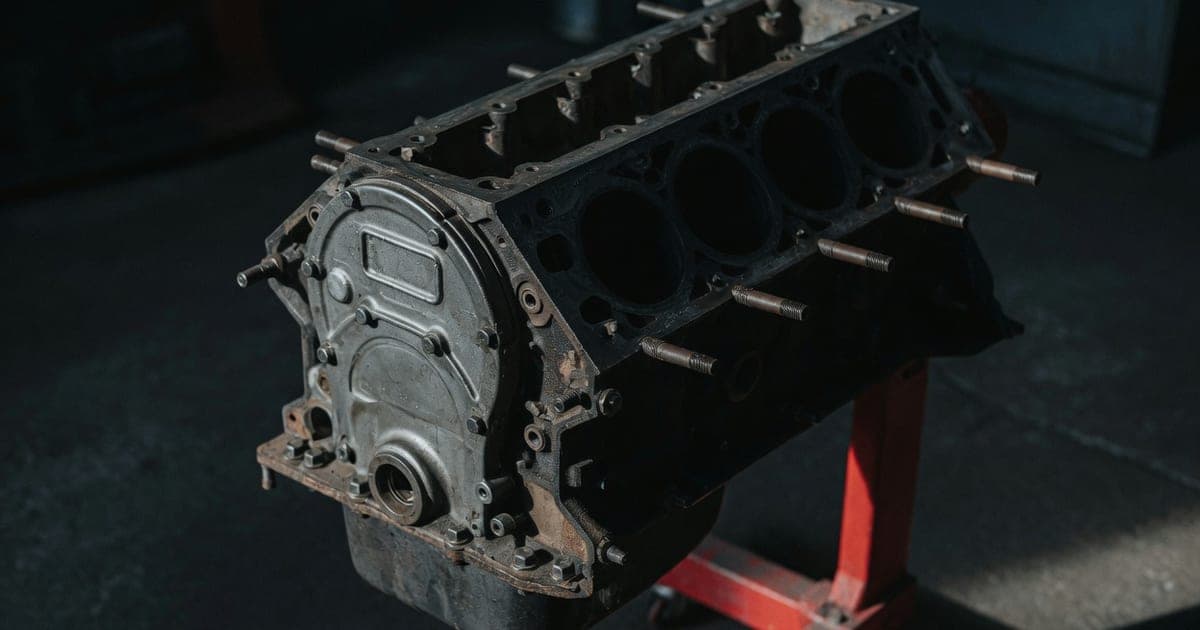
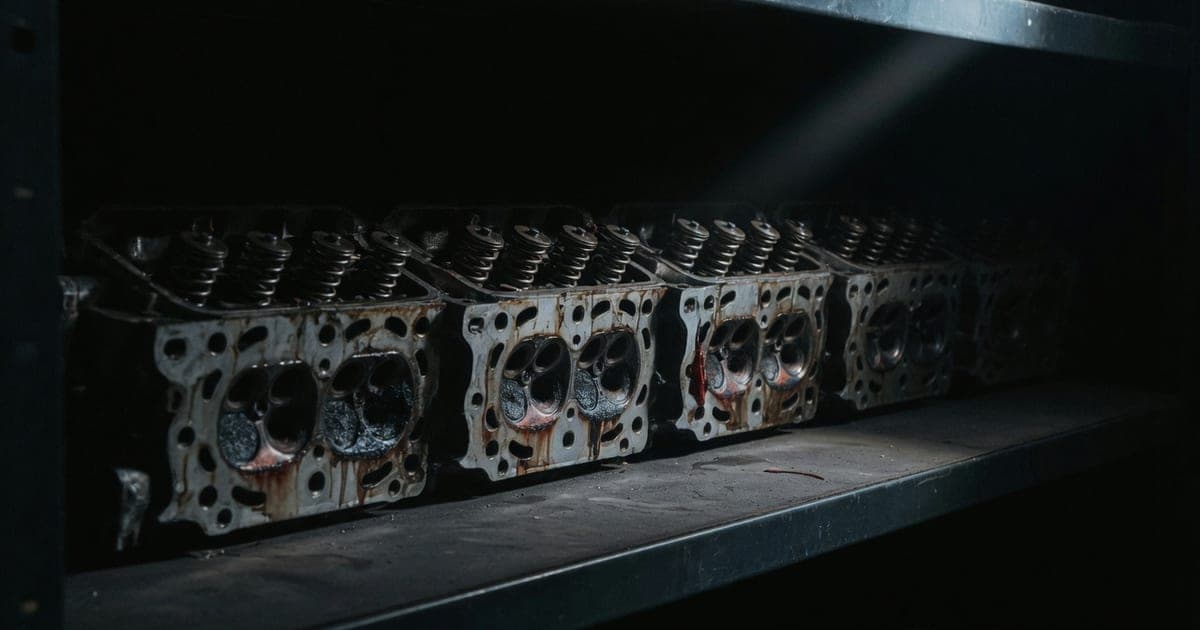
The RB family (RB20, RB25, RB26 and their variants) shares architecture, and swaps between chassis are routine: RB25DETs go into R32s constantly, RB26 conversions go everywhere. But the details bite: looms, ECUs, sensors, sumps, manifolds and accessory layouts differ between chassis and between series of the same engine. The R33 RB25DET itself splits into Series 1 and Series 2 with different ignition setups, and the R34's RB25DET NEO is a meaningfully different engine (revised head and management) whose parts do not all cross over to the earlier RB25. When buying an engine, complete with its own loom and ECU is worth a real premium over bare. Weighing an RB against other swap options entirely? See SR20 vs RB25 vs 1JZ.
Gearboxes and driveline
Turbo non-GTR cars share gearbox families with strong interchange between RB-powered chassis, and the R33/R34 boxes are the desirable pick behind an RB25. Tailshafts, diffs and axles interchange within limits set by chassis and diff type: R200 rears dominate, with various ratios and LSD types worth harvesting, and R200 and R230 interchange in full covers which of them will actually mate to your axles. GT-R driveline (ATTESA transfer, all-wheel-drive hardware, the pull-style GTR box) is its own expensive world and does not cross to the rear-drive cars.
Suspension and brakes
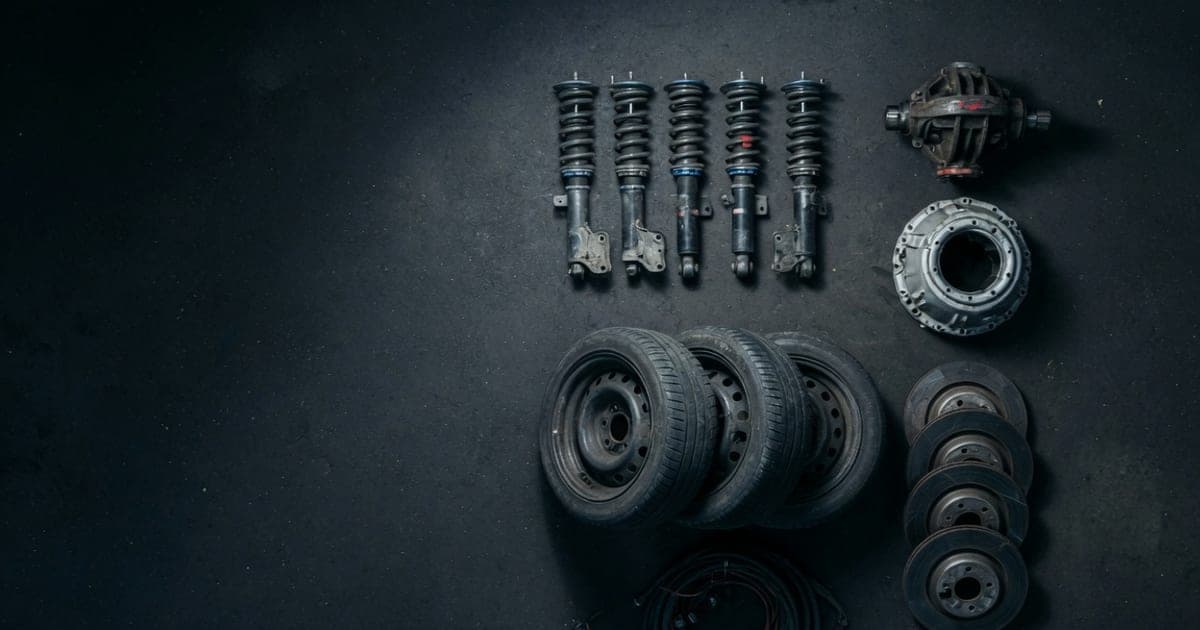
Here is the interchange people actually use. The non-GTR R32 runs four-stud hubs; R33 and R34 GTS-T/GT-T cars run five-stud, and swapping later five-stud knuckles and hubs onto an R32 is the standard upgrade, often paired with bigger R33/R34 or aftermarket brakes. Suspension arms and geometry parts carry substantial cross-compatibility across the three chassis and into the S-chassis aftermarket ecosystem, because manufacturers tool for the family. Coilovers are chassis-specific in spec but universally available for all three. Going from four studs to five changes the wheel conversation entirely, and the offset calculator carries an R32 and R33 offset preset for working out where a set lands. On the calipers themselves, which Skyline calipers swap onto what is the other half of that upgrade.
Interior and electrical
Almost nothing useful interchanges. Each chassis has its own dash, cards, seats, clusters and switchgear, and each is its own hunt.
What is unobtainium now
- R34 anything cosmetic: front bars, bonnets, headlights, tails, skirts. R34 GT-T parts have been dragged up by GT-R money and export demand. Good genuine R34 headlights and front bars each typically run well into four figures when they surface at all.
- GT-R specific parts on any chassis: genuine aero, bonnets, guards, brakes, ATTESA components and interior trim. GT-R tax is real and global.
- R32 GTS-T and GT-R interiors: crack-free dashes, good seats and door cards, all scarce after thirty years.
- Series-correct lights and garnishes: R33 Series 1 vs Series 2 front ends differ, and correct-series parts in good condition move instantly.
- Uncut looms and unmodified ECUs for every chassis, consumed by decades of swaps.
If you see clean examples of any of the above listed locally, the market price is roughly "what the last desperate buyer paid, plus shipping from Japan as the alternative". Genuinely rare parts sell within days.
What is still easy and cheap
Service parts, RB25 consumables, radiators, non-GTR brake rotors and calipers, gearbox and diff internals, suspension arms and bushes, and the entire drift aftermarket for all three chassis. A daily-driven or drift-built GTS-T/GT-T remains one of the more affordable JDM cars to keep running in Australia, because the mechanical aftermarket never stopped supporting the RB.
On the perennial "rb25 turbo upgrade" question, the short honest answer: the factory turbo's ceramic exhaust wheel is the limiting factor and lets go when pushed, so the standard path is a modern bolt-on aftermarket unit (typically $1,500-$3,500) with supporting fuel, cooling and a proper tune, rather than a secondhand factory turbo of unknown history. Price the tune into the turbo budget or do not start.
Typical Australian prices, secondhand
Broad ranges as of 2026, condition rules everything:
- RB25DET complete with loom and ECU: typically $2,500-$5,000; NEO engines at the top and beyond.
- RB26DETT complete: typically $9,000-$18,000+ depending on provenance and condition.
- Five-stud hub and brake conversion parts harvested from R33/R34: typically $600-$1,500 the set.
- R33/R34 turbo gearbox: typically $1,500-$3,500.
- R200 LSD centres: typically $500-$1,500 depending on type.
- Straight genuine panels (non-GTR): typically $300-$1,000 each; GT-R and R34 items far above.
Where the parts actually come from
Four channels supply Skyline parts in Australia, and knowing which to use for which part saves weeks. Specialist Skyline wreckers stock the mechanical staples and are the right call for hubs, boxes and subframe hardware, but their panel and interior stock is picked over and priced globally. General classifieds and enthusiast sales are where the private stashes surface: the uncut loom, the series-correct lights, the diff centre pulled during an upgrade, usually at better money than any yard. Importing from Japan via auction agents fills the gaps for anything cosmetic, but by the time freight and the agent's cut land on the invoice, a "cheap" Yahoo Auctions panel often matches local asking prices, and you wait a month or more with no recourse if the condition grading was generous. New old stock from Nissan is the fourth channel and shrinks every year: some Skyline part numbers are discontinued, some get heritage reproductions, and anything still available is worth grabbing at the price rather than gambling on used. Laurel donors are the channel most people miss, because the RB engine family crosses over.
One compliance note in passing, general info only: dropping a later RB or an RB26 into a different Skyline chassis is an engine change requiring engineering certification in every state, same as any swap. The engineering is well trodden for these cars, but budget it, and keep receipts and engine numbers for the inspection.
Buying without the burn
Skyline parts pricing makes this space a scam magnet: stolen-photo engine listings, deposit-and-vanish panels, freight that never ships. Deal with sellers whose history you can see, verify parts with dated photos or in person, and keep the conversation and payment traceable. The buying safely guide runs through the exact patterns. For engines especially, the checks in the SR20DET buyer's guide (compression, shaft play, oil condition) apply identically to an RB, just with two more cylinders.
Find it or free it
Browse the live listings and filter to R32, R33 or R34, or hunt by category once you know which part you are short of. And if you are sitting on Skyline spares from a build that moved on, list them free: with export pulling supply offshore every month, local buyers are actively searching for exactly what is in your shed.