Real vs Replica: How to Spot Fake Work, Rays and SSR Wheels Before You Pay
6 min read
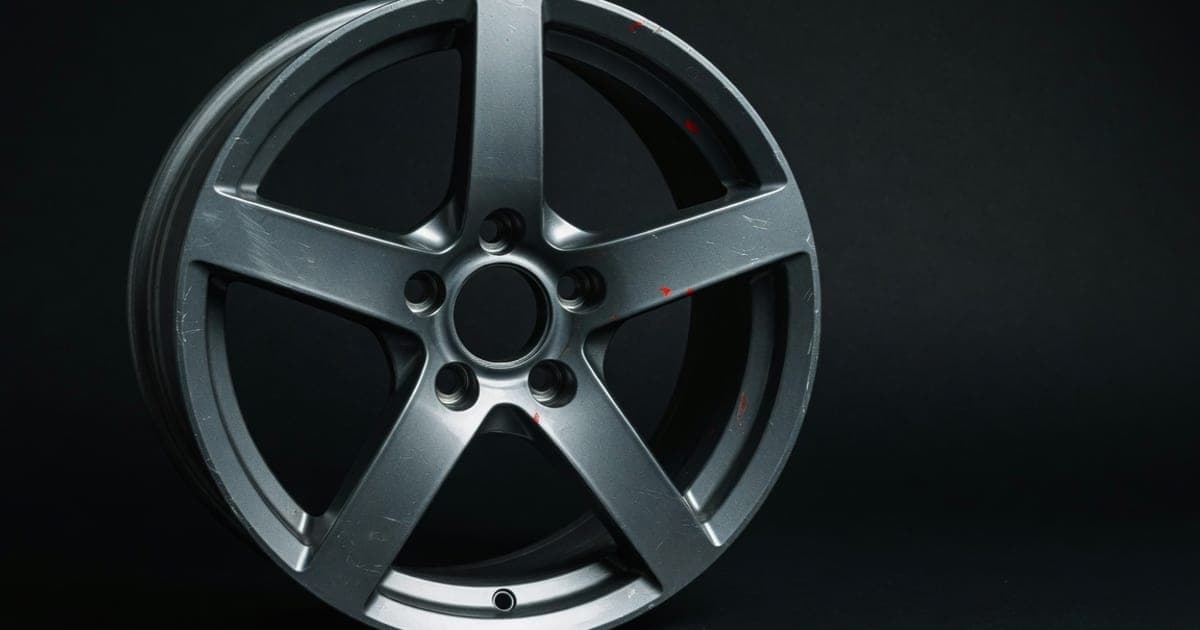
The single most reliable way to catch a fake JDM wheel: verify the exact size and spec against the manufacturer's own range, then weigh one. Counterfeiters copy the look of a TE37 or a Meister; they do not copy the forging process or the catalogue. A "TE37" in a size Rays never made, or one that weighs two kilos more than the published figure, is fake regardless of what the stickers say. Everything else in this guide is supporting evidence for those two checks.
First, terms, because the drift scene uses them loosely and the difference matters legally and financially:
- Replicas are lookalike wheels sold honestly under their own brand: Rota, XXR and friends. Nothing wrong with buying them, plenty of people drift on them, and they are priced like what they are.
- Counterfeits are wheels wearing a fake Work, Rays/Volk or SSR identity, sold as genuine, at genuine-adjacent prices. This is the scam this guide is about.
The counterfeit problem exists because the price gap is enormous. A clean genuine set of forged Rays wheels holds serious value on the Australian secondhand market, often thousands for a set, while a visually similar replica set costs a fraction of that new. Sticking fake decals on replicas and selling them as genuine turns that gap into profit, and wheels are the part where this scam is most rampant.
Check 1: the spec check (do this before you leave the house)
Every genuine model has a documented range of sizes, offsets, PCDs and colours. Manufacturers publish current specs, and enthusiast communities have documented the historic ones to death.
- Look up the exact spec being sold: model, diameter, width, offset, PCD. If the seller's "18x10.5 +12 5x100 TE37" does not exist in any Rays catalogue past or present, you are done. This catches a surprising share of fakes because counterfeiters make the sizes that sell, not the sizes that were made.
- Colour matters too. Genuine models came in specific finishes. A model-and-colour combination that never shipped is a tell.
- PCD drilling. Some fakes come dual-drilled or in convenience PCDs the real wheel was never offered in.
Ask the seller for the full spec in the enquiry thread before inspecting. A seller of genuine wheels can rattle off the size and offset because it is stamped right there on the wheel. While you have that number, check the stamped offset actually suits your car, because genuine wheels in the wrong offset are still the wrong wheels. Structured listings help here: wheel listings on this site carry PCD, diameter, width and offset as fields, so the claimed spec is on record from the first click, not reconstructed from a chat log later.
Check 2: the weight check (the one fakes cannot pass)
The entire point of a forged wheel is the strength-to-weight ratio. A cast copy of a forged wheel is always significantly heavier, usually by well over a kilo per wheel and often more. Published weights for genuine wheels are easy to find for common sizes.
Bring a bathroom scale or luggage scale to the inspection. Weigh one bare wheel if possible, or weigh the wheel-and-tyre package and sanity check it. A wheel meaningfully heavier than its published spec is not the wheel on the sticker. This is a five-minute check that ends most arguments, and a seller of genuine wheels will not mind you doing it.
Check 3: casting and machining quality
Turn the wheel over. The back tells the truth the face hides:
- Back pad and barrel finish. Genuine forged wheels have clean, uniform machining on the mounting pad and tidy finishing everywhere, including surfaces you never see with the wheel fitted. Rough, grainy casting texture, casting flash, or crude grinding marks on the back of a supposedly forged wheel is a giveaway.
- Spoke profiles. Compare against photos of verified genuine wheels from the same model and era. Fakes commonly get spoke thickness, the sharpness of edges, and the shape of the windows between spokes subtly wrong. Side-by-side photo comparison exposes this quickly.
- Lettering and logos. On genuine wheels, cast or engraved branding is crisp and correctly proportioned in the manufacturer's actual typeface. Wrong fonts, shallow or soapy-looking lettering, and stickers where engraving should be (or engraving where the real wheel used a sticker) are all tells. Photograph the markings and compare with verified examples online.
- Stamps and markings on the back. Genuine Japanese wheels carry manufacturing markings: brand names, size and offset stamps, and Japanese quality markings such as JWL and VIA. Be careful with this one in reverse: fakes routinely copy JWL/VIA stamps, so their presence proves nothing. Their absence, wrong placement, or sloppy execution is what tells you something.
Check 4: hardware and details
- Centre caps. Genuine caps fit precisely, carry correct branding, and are a wear item people lose, so mismatched or missing caps are not damning on their own. Cheap, loose-fitting caps with off-colour logos on an otherwise "genuine" wheel deserve suspicion.
- Multi-piece construction. For multi-piece wheels like many SSRs and Works, look at the assembly hardware and the join between centre and barrel. Genuine multi-piece wheels use proper fasteners fitted cleanly and consistently. Fake "multi-piece look" wheels are often one-piece castings with cosmetic bolts, which you can verify by looking at the barrel from behind: a real multi-piece wheel has a visible join, a fake usually does not.
- Repairs and refinishing. Not a fake tell, but a value tell. A freshly powder-coated set with no history can be hiding straightening repairs or welded cracks, and refinishing also destroys original stickers and can blur stamps, which makes authentication harder. Price accordingly and ask directly.
Check 5: the seller and the story
Scam patterns around wheels are the same patterns as every parts scam, sharpened by the money involved:
- Stolen photos. Reverse image search the listing photos. Counterfeit and outright non-existent wheel listings frequently reuse photos from old forum sales and overseas listings. Ask for a photo of the wheels with a piece of paper showing today's date or your name.
- Price logic. Genuine forged Japanese wheels in drift sizes hold value, and the market knows it. A price dramatically under market for "genuine TE37s" is not a bargain waiting for you specifically; it is bait. Deals exist, deceased-estate and lost-interest sales are real, but a too-good price shifts the burden of proof: verify harder, not less.
- Provenance. Original boxes, purchase receipts, or a paper trail from an Australian distributor or a documented import add real confidence and real value. No provenance does not mean fake, but genuine-money purchases deserve genuine-money evidence.
- Deposit pressure. The classic marketplace scam is a bank-transfer deposit to "hold" wheels you have never seen, from an account that vanishes. Inspect before money moves, or use the protections described on the safety page. On-site enquiry threads also keep the whole conversation and the seller's history in one place if something goes wrong.
What replicas are actually worth
To be clear one more time: replica wheels sold as replicas are a legitimate budget path, especially for a first drift car that is going to kiss a wall eventually. The rule is only that the price and the description tell the truth. When you are pricing any wheel listing, genuine or replica, fitment still rules everything, and the S-chassis wheel fitment guide covers how to read width and offset before you fall in love with a set that pokes 30mm past your guards.
Buy with your eyes open
Work through the checks in order: catalogue spec, weight, casting, details, seller. Any single red flag is a conversation; two is a walk. Genuine wheels priced fairly by sellers with history are out there every week. Browse the current wheels and tyres listings, specs attached, and if you are sitting on a set (genuine or honest replica), list them free with the full details and let them go to someone who will use them.