S-Chassis Wheel Fitment Guide: Sizes, Offsets and What Fits an S13/S14/S15 Without Cutting
6 min read
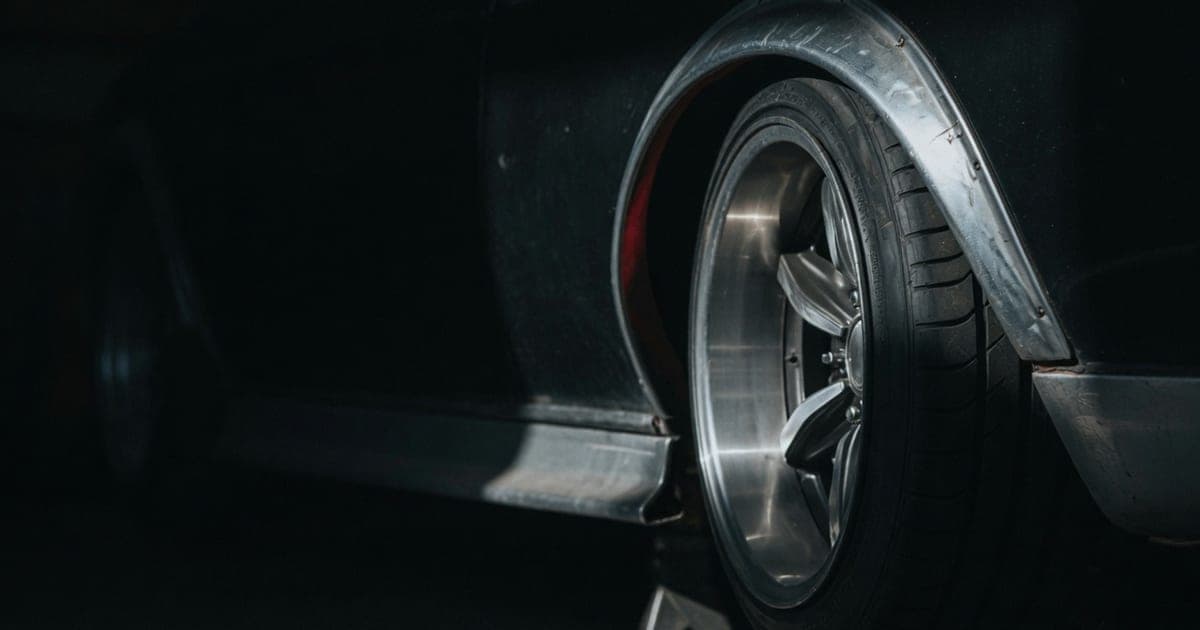
The quick version: an S13 is 4x114.3, an S14 and S15 are 5x114.3, all of them are a 66.1mm hub bore, and on a car with rolled guards, sensible camber and drift ride height, the classic no-cutting territory is around 17x8 to 17x9 with offsets in the low-to-mid positive twenties up front, and similar or slightly wider on the rear. Go wider or lower offset than that and you are in guard-rolling, camber-adding, eventually flare-fitting territory.
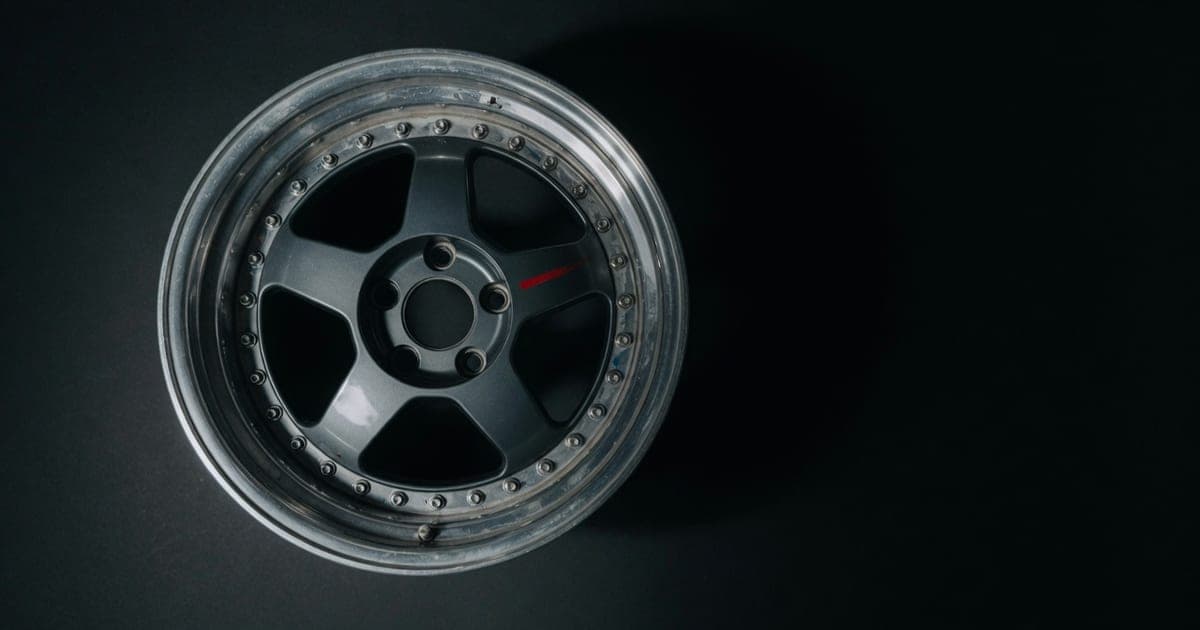
That paragraph answers most enquiries, but "does it fit" always comes down to four numbers: PCD, diameter, width and offset. Understand those four and you can evaluate any wheel listing in ten seconds, which matters, because good secondhand JDM wheels in S-chassis fitment sell fast in Australia.
The four numbers that decide everything
PCD (pitch circle diameter)
PCD is the stud pattern: the number of studs and the diameter of the circle they sit on, in mm.
- S13 and 180SX: 4x114.3 from factory.
- S14 and S15: 5x114.3 from factory.
- Five-stud converted S13s (a very common mod using S14, R32 or R33 hubs and knuckles) take 5x114.3.
4x114.3 is a blessing and a curse. It rules out the endless 4x100 and 5x100 wheels out there, but it also means less competition when a genuine 4x114.3 set comes up, because the pool of cars chasing them is smaller. If you are planning a five-stud conversion anyway, do it before you buy wheels, because it completely changes what you are shopping for.
Never run wobble bolts or adapters to force a wrong-PCD wheel onto a drift car. The loads through a wheel mid-slide are exactly the loads that find shortcuts.
Diameter
17 inch is the modern S-chassis default: big enough to clear common big brake setups, and it is where the deepest supply of both wheels and sticky secondhand tyres lives in Australia. 16s suit period-correct builds and stock brakes. 18s fit and look great but tyres cost more per corner, which matters when the rears are consumables.
Width
Width is quoted in J, measured in inches across the bead seats: 8J, 9J, 9.5J and so on. Wider puts more tyre on the road and looks the business, but every half inch of width is 6.35mm of extra wheel, split between the inside and outside of the wheel at the same offset. Width and offset only mean anything together, which brings us to the number everyone gets wrong.
Offset
Offset (the ET number stamped on the wheel) is the distance in mm from the wheel's centreline to its mounting face. Positive offset means the mounting face sits outboard of centre, tucking the wheel into the car. Lower or negative offset pushes the wheel out toward the guard. You can run your own numbers through the offset calculator instead of doing this arithmetic on paper.
Two rules do all the work:
- Dropping offset by 10mm moves the whole wheel 10mm further out. Nothing else changes.
- Adding width at the same offset splits the extra both ways. Go from 8J to 9J at the same offset and you gain about 12.7mm of wheel: roughly 6.35mm more poke and 6.35mm more inner clearance used.
So a 17x9 +22 sits in the guards almost identically on the outside as a 17x8 +9, but the 9J fills 12.7mm more space overall. When someone says "will 17x9 fit", the only honest answer is "at what offset".
What fits an S13, S14 and S15 without cutting
Every car is different: ride height, camber, caster, guard condition and tyre choice all move the line. Treat these as the well-worn starting points the community has settled on, not gospel, and always test fit before mounting fresh tyres.
S13 and 180SX
The tightest of the three, especially the rear quarters on a 180SX.
- Bolt-on easy: 17x8 around +30 to +33 with a 215 or 225 tyre clears basically everything at sane heights.
- The sweet spot: 17x9 in the high teens to mid twenties offset, with rolled guards, a couple of degrees of camber and drift height. This is the classic S13 fitment for a reason: proper width without bodywork surgery.
- Pushing it: 17x9.5 or 10 below +15 wants serious guard work or flares. That is a look-and-commitment decision, not a bolt-on one.
S14
Wider body than the S13 with a bit more room all round.
- 17x9 in the low twenties is comfortable with rolled guards.
- 17x9.5 around the high teens is achievable with guard work and camber, particularly on the rear.
S15
Similar overall footprint to the S14 with its own guard shape. The same 17x9 low-twenties starting point applies, and S15s wear 17x9.5 rears well with the usual roll and camber. Front side, remember that big steering angle changes everything: a wheel that clears straight ahead can murder the front bar reo and guard liner at full lock, which is a real consideration if you run knuckles or an angle kit (see do you need an angle kit).
Tyres, briefly
For 9J wheels, a 235 is the honest fitment and a 225 gives a mild stretch that helps guard clearance and bead security at drift pressures. Massive stretch looks a certain way but gives away sidewall support, and on the front of a drift car sidewall support is grip you can feel. On the rear, 235/45R17 area is where cheap secondhand and budget new tyres are most plentiful in Australia, which is worth more to a practice budget than any spec-sheet advantage.
The legal bit, in general terms
Australian states regulate wheels and tyres on registered cars: there are limits on how far you can deviate from the factory wheel and tyre size, and the general expectation that tyres do not protrude beyond the bodywork or properly fitted flares. The details differ by state and change over time, so treat this as general information rather than legal advice and check your state's light vehicle modification guidelines before driving a fitted car on the road. Track-only missiles obviously play by different rules, but if the car wears a plate, know where your state draws the lines.
Buying secondhand wheels by the numbers
Here is where fitment knowledge turns into buying power. The classic secondhand wheel experience on generalist marketplaces is a photo, a price, and a description that says "17s, suit Silvia", followed by a message thread where you drag PCD, width and offset out of a seller who has to go find a torch.
Listings on this site capture PCD, diameter, width and offset as structured fields, because those four numbers are the entire first half of every wheel conversation. That means you can go to the wheels and tyres listings and filter to exactly what your car takes: 4x114.3 for a stock S13, 5x114.3 for everything else, 17s, the width you want, and the offset band that fits your guard situation. No torch, no twenty questions, no driving two suburbs to discover they are 5x100.
A few secondhand-specific checks once the numbers line up:
- Buckles and welds. Sight along the barrel and ask directly whether any wheel has been straightened. Repaired wheels exist and can be fine, but they should be priced as repaired.
- Cracks around the spokes and bolt holes. Especially on wheels that have lived a drift life at low pressures.
- Authenticity, if the price says Work, Rays or SSR. Replicas are fine when sold as replicas and priced accordingly. Counterfeits sold as genuine are not fine, and the tells are covered in how to spot fake JDM wheels.
- Hub bore. JDM wheels for Nissan fitments are commonly 66.1 or larger with hub rings. Larger bores are fine, just seat the wheel properly.
The general buying-safely playbook, deposits, meeting sellers and all, lives on the safety page.
Get the numbers, then go shopping
Measure what you have, decide the look and clearance compromise you want, and then shop by the four numbers instead of by photos. Browse the current wheels and tyres listings filtered to your exact fitment, and if you have a set in the shed that no longer suits the build, list them free with the full specs filled in. Wheels with real numbers attached are the ones that actually sell.