1.5-Way vs 2-Way LSD for Drifting: What to Run and What a Used Diff Should Cost
7 min read
If the car is a dedicated drift car, run a 2-way. If it splits time between the street and the track, a 1.5-way is the sensible compromise. And if the budget conversation is honest, a welded diff will teach a beginner more per dollar than anything else bolted to a drift car, with real caveats about road use. That is the answer; here is the reasoning, plus what these things actually cost secondhand in Australia, because used LSD centres are one of the classic classifieds finds.
How a clutch-type LSD actually works
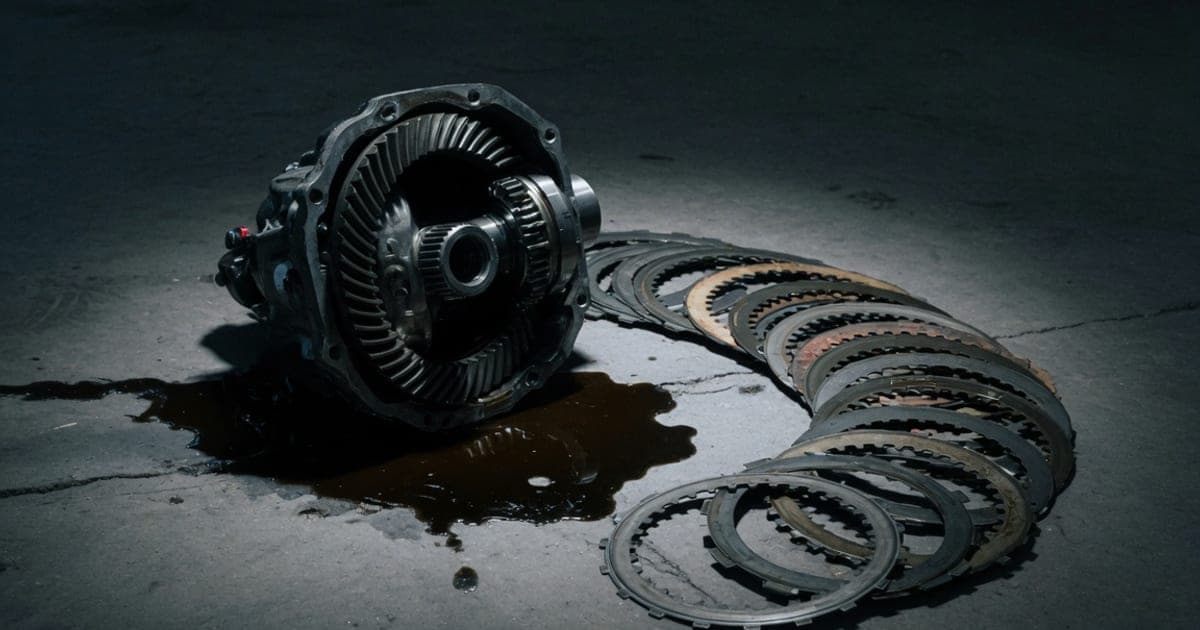
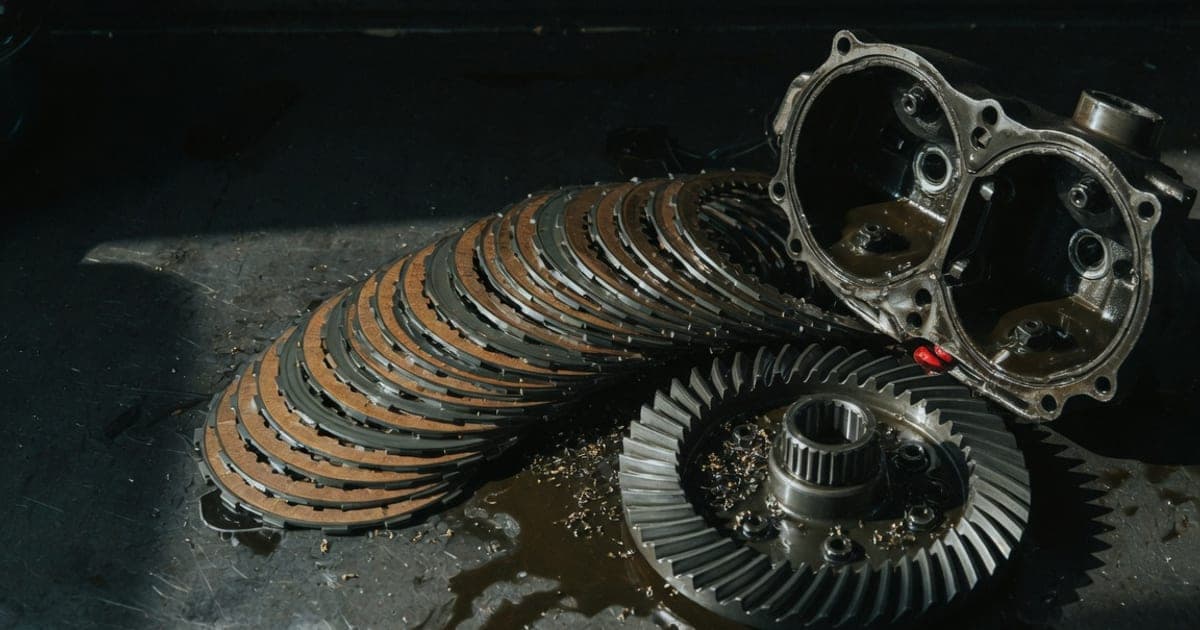
A clutch-type (plate) LSD lives inside your diff housing in place of the open centre. Inside it, stacks of friction plates connect the side gears to the case. When you feed in torque, pressure rings ride up cam ramps and squeeze the plates together, locking the two axles toward each other so both rear tyres drive. The harder you push, the harder it locks.
The "way" describes which direction of torque makes it lock, and it comes down to the ramp angles machined into those pressure rings:
- 1-way: locks under acceleration only. Coasting or braking, it behaves like an open diff.
- 1.5-way: locks fully under acceleration and partially on deceleration, because the decel side of the ramp is a shallower angle.
- 2-way: locks under acceleration and deceleration equally. Symmetrical ramps, symmetrical behaviour.
There is also initial torque (preload): springs or Belleville washers hold some clamp on the plates all the time, so the diff carries a baseline lock before any throttle input. Preload drops as plates wear, which matters when buying used, and it is adjustable during a rebuild.
Why drifters run 2-ways
A drift car spends half its life with the throttle closed mid-slide: clutch in, handbrake pulls, lift-off transitions, long decel entries. A 2-way behaves identically in all of it. Both rears stay coupled whether you are on the gas or off it, so the car's attitude under deceleration is predictable, entries initiate consistently, and nothing changes underneath you when you breathe off mid-corner.
A 1-way, by contrast, effectively goes open every time you lift, which on a drift car means the rear randomly changes character mid-slide. Nobody should drift a 1-way on purpose.
The 1.5-way sits between: full drive lock, softened decel lock. On the road that makes it noticeably friendlier: less shunting and chatter crawling around car parks, less push on braking into tight intersections. On track the difference from a 2-way is smaller than the internet makes it sound, and plenty of people drift 1.5-ways happily. Hence the honest recommendation: track car, take the 2-way's consistency; registered daily-ish car, the 1.5-way trade is worth it. If a good used centre comes up in the "wrong" flavour for your build at the right price, buy it anyway; both work.
Worth knowing: some diffs (many Kaaz and OS Giken units among them) can be reconfigured between ways during a rebuild by re-clocking the pressure rings, because the ramps for both settings are machined in. Check the specific unit before assuming, but it can turn the "wrong" secondhand diff into the right one.
The alternatives, honestly rated
Viscous LSD (what many S-chassis and Skylines came with). A sealed silicone-fluid coupling that resists speed difference between the axles. When new they were mild; decades later most are barely better than open. Fine for a grip daily, not a drift solution. If your "LSD-equipped" S13 does one-tyre-fires, this is why.
Shimmed VLSD. The old trick of preloading a tired viscous unit to make it act locked. It costs nearly nothing and works for a while, but it is a band-aid with unpredictable wear. A stepping stone at best.
Helical / gear-type (Quaife, Torsen-style). Brilliant for grip driving, wrong tool for drift. Gear diffs multiply the torque available at the loaded wheel, but with a wheel unloaded or airborne they have little to work with, and drift cars unload inside rears constantly. They also cannot give you the decel-side lock that makes entries consistent. Worth knowing before you count on the factory Torsen an MX-5 might already have. What the factory Commodore centre actually is, and whether your car has one at all, is a guide of its own.
Welded diff. An open centre with the spider gears welded solid: permanently locked, maximum predictability, effectively free if you can weld or cheap if you pay someone. As a learning tool it is genuinely excellent, which is why half the practice-day grid runs one. The downsides are street manners (tyre chirp and driveline load in every tight turn) and the legal position below. The failure mode to respect: a bad weld letting go inside a diff is violent, so it needs to be done properly by someone who has done it before, on a centre worth welding.
Welded diffs and the law in Australia
General information, not legal advice: a permanently locked differential is a modification to the vehicle's driveline that state road authorities do not treat as an acceptable modification for road use, and it is the kind of thing that surfaces at defect stations and roadworthy inspections. The practical position in the scene is simple: welded diffs live in track cars. If the car wears a plate and gets driven on the road, run a proper LSD. Check your own state's current rules if you need certainty, because schemes differ and change.
What this costs in Australia
Typical asking-price territory on the secondhand market at the time of writing, condition and completeness moving everything:
- Used viscous centres: near-worthless, often listed for under a hundred dollars or thrown in with other parts.
- Welding an open centre: a case of beer to a mate with a MIG through to a modest cash job at a workshop.
- Used mechanical LSD centres (Nismo, Kaaz, Cusco, OS Giken): commonly listed in the several-hundred-dollar range, with fresh or recently rebuilt units pushing toward four figures. A centre already installed in a complete diff housing with matching axles saves you assembly and setup and prices accordingly.
- New mechanical LSDs: generally north of $1,500 landed for the popular Japanese brands by the time they are in the country, before fitting and setup.
Case size narrows the field before brand does on some chassis: the 168mm and 188mm BMW cases decide which centres are even on the table for an E36. That gap between used and new is why the classifieds matter here: a plate diff is a rebuildable item. Rebuild kits and plates are available for the mainstream brands, so a chattery, worn used unit is not dead, it is a core plus a rebuild.
Buying a used LSD without getting burned
- Confirm the housing and application. S-chassis and Skylines commonly run R200-family rear ends, but centres must match the housing, output spline count and flange type of your car. "Out of an S14" is a start, not a confirmation. Get part numbers and photos of the unit, not just the box. The interchange guide covers which housing actually bolts into your car.
- Check the final drive ratio on any complete diff. The ratio is set by the crownwheel and pinion, not the LSD centre, and a ratio swap changes the whole car's gearing. Sellers of complete diffs should be able to tell you the ratio or show the tag/stamping.
- Ask about lock behaviour. A healthy plate diff locks the two axles together: turning one output turns the other the same direction. A unit that behaves open with no resistance has worn plates or collapsed preload. Chatter in tight turns is normal plate-diff behaviour, not a fault, but grinding is not.
- Service history beats everything. Receipts for a rebuild, or a seller who can tell you the preload it was set up with, put a used unit near the top of the market legitimately.
- Budget for oil and setup. Clutch LSDs want proper LSD-rated gear oil and, per most manufacturers, correct break-in. If you are having a centre fitted to your housing, backlash and preload setup is a job for someone with the tools; price it into the purchase.
The usual buying-safely rules apply, especially for posted diffs bought unseen: the safety page covers deposits and the standard scam patterns.
Where a diff sits in the build order
Locked rear before power, before angle, arguably before coilovers. A predictable rear end is the foundation every other mod stands on: it is the reason the classic advice is diff first, then coilovers, then seat time until you are consistent, and only then the angle kit conversation.
Have a look at what is listed right now for LSD centres, complete diffs and everything around them. And if you upgraded and the old centre is sitting under the bench, list it free: a diff with an honest description of its plates and preload never stays listed long.