Do You Need an Angle Kit? Knuckles vs Full Kits for Your First Drift Season
6 min read
No, you do not need an angle kit for your first drift season. A stock-steering S-chassis with a locked or LSD rear, decent tyres and a driver getting seat time will out-progress a full-lock weapon driven by someone who spent the angle kit money instead of the track day money. Modified knuckles are a cheap, sensible mid-step once you are linking; a full angle kit is a tool for a problem beginners do not have yet.
That is the answer the product pages cannot give you, because product pages sell products. Here is what the hardware actually does, what it costs in Australia, and the honest order to buy it in.
What an angle kit actually changes
"More lock" is the headline, but steering angle hardware changes a whole geometry package:
- Maximum steering angle. Stock S-chassis steering gives you enough lock to hold modest angle and save small mistakes. Knuckles and kits increase how far the front wheels can turn before the steering runs out, which raises the angle you can hold and the spins you can catch.
- Ackermann. The relationship between the inner and outer wheel's steering angle. At big drift angles, factory Ackermann geometry has the two front tyres fighting each other, scrubbing speed. Drift knuckles and kits change this so the fronts work together at full lock, which is why a car on good angle hardware pulls forward at big angle instead of parachuting.
- Bump steer. How much the wheels steer themselves as the suspension moves. Lowered cars with stock arms have compromised bump steer, and it gets worse as lock increases. Proper kits correct it with relocated or adjustable outer tie rod geometry; bad setups make the car dart over bumps mid-slide.
- Roll centre. Slamming a strut car drops the roll centre and wrecks front geometry. Drop knuckles and roll centre correction (relocated ball joint height, extended lower ball joints) restore it, which brings back front grip and makes the car respond to steering instead of flopping onto the bump stops. On an S-chassis this is half the value of good knuckles.
- Scrub radius and wheel clearance. More lock means the wheel sweeps a bigger arc. Serious angle eats into chassis rails, guard liners and sway bars, which is why big kits come bundled with tension rod, lower arm and rack spacer changes, and why wheel offset choices interact with all of it (the S-chassis wheel fitment guide covers that side).
The three levels, and who each is for
Level 0: stock steering, sorted car
Where everyone should start. Rear diff sorted first (the 1.5-way vs 2-way guide covers that decision), sensible coilovers, alignment with some front camber and toe set properly, and consistent tyres. A first season is figure eights, clutch kicks, handbrake entries and small links. Stock lock covers all of it, and the limitation you will hit is skill, not steering.
The uncomfortable truth: extra lock mostly gets beginners into bigger spins at bigger angles they cannot hold yet. Catching a car at moderate angle teaches the throttle-and-steering timing that makes angle usable later.
Level 1: modified knuckles
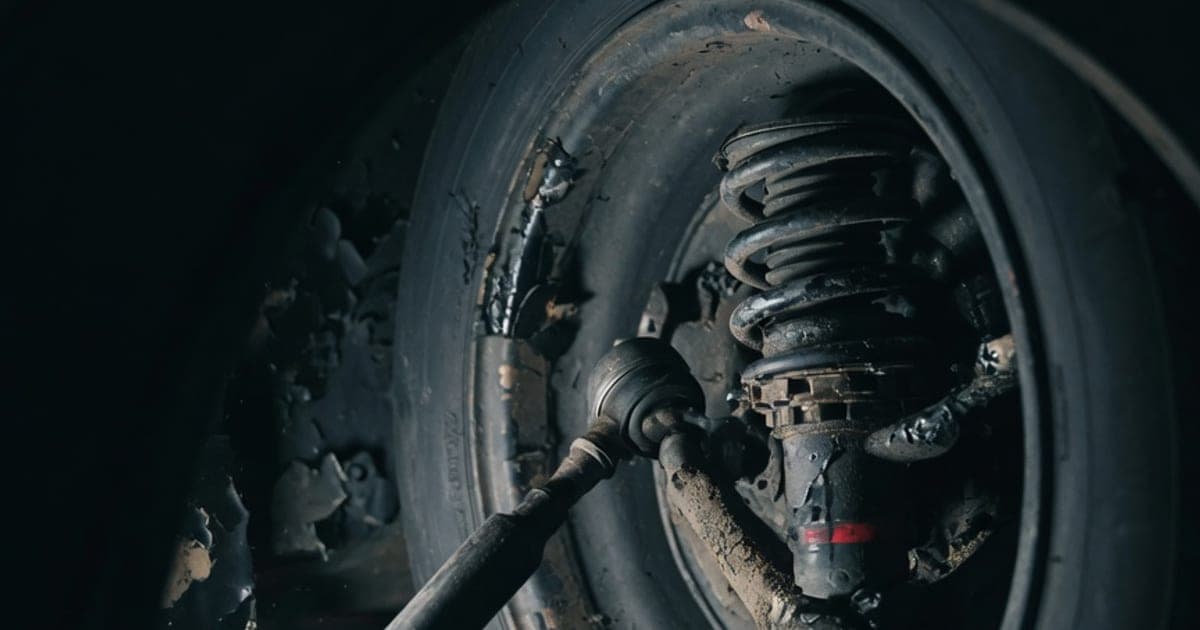
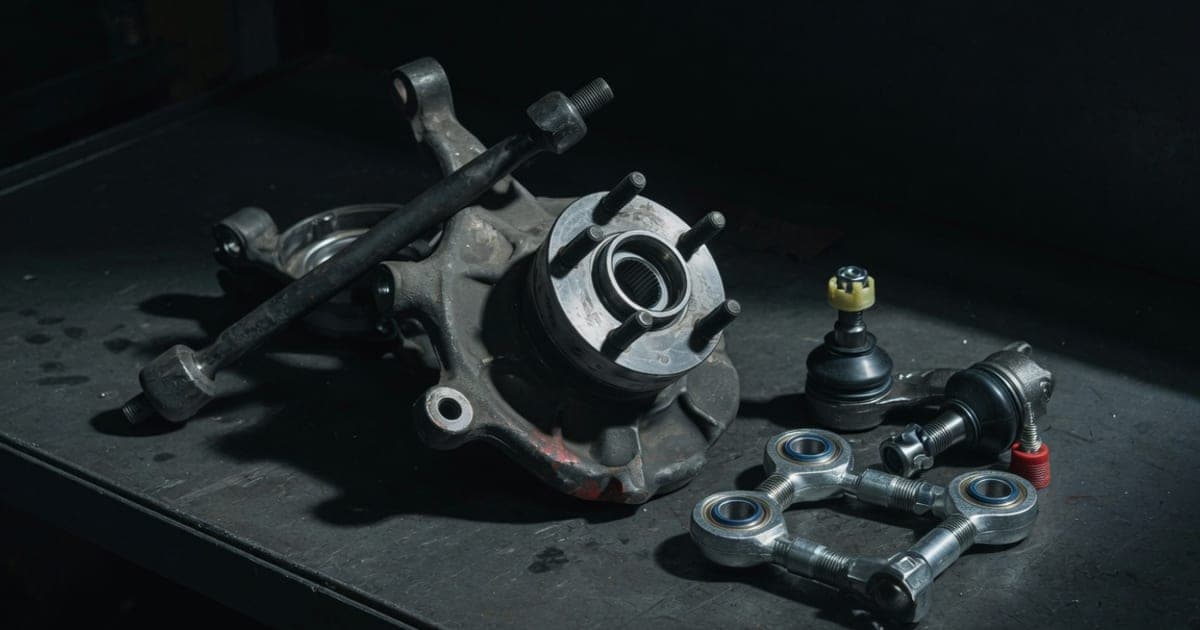
Modified or drop knuckles are recast or machined steering knuckles that shorten the steering arm (more angle per rack turn, more total angle) and, in drop versions, correct roll centre for lowered cars. For S-chassis they are plentiful in Australia new and used, cheap relative to what they do, and they bolt on with an alignment afterward.
This is the right second step, once you are linking corners and genuinely running out of lock saving your bigger moments. Typical spend in Australia is a few hundred dollars new for the popular options, and used pairs turn up secondhand regularly for less. Pair them with a proper alignment and, on a slammed car, the associated roll centre bits, or you are leaving half the benefit on the table.
Two cautions. First, knuckles change steering effort and speed: the car gets darty and faster-steering, which takes a session to recalibrate to. Second, more lock without checking clearance is how tyres meet chassis rails; test full lock in the pits, both directions, before your first run out.
Level 2: full angle kits
A full kit (GKTech and similar Australian-available brands, through to comp-level hardware) replaces or supplements knuckles with extended lower control arms, revised tension/caster rods, rack spacers, bump steer correction and roll centre correction as a matched package, chasing large maximum angle with geometry that stays usable at that angle.
This is competition and advanced-practice hardware. It shines when the driving demands it: big entries, deep angle, keeping drive at angles where the front of the car essentially points backward relative to travel. It also demands support: wider front wheel and tyre clearance planning, guard and bar trimming on some cars, a quality alignment with someone who understands drift geometry, and re-learning the car's steering. Typical Australian pricing for proper kits runs from around a thousand dollars into several thousand depending on chassis and how much of the front end the kit replaces.
Bought used, kits are a genuinely good deal because the hardware is mostly chunky machined and fabricated components that live an easy life unless crashed. Inspect for bent arms (sight along them), cracked welds, crash repairs, and play in rod ends and spherical bearings, which are the consumable part: hardware is cheap to re-bush, bent geometry is not always obvious until the alignment rack. Ask which chassis and what ride height it was set up for, and whether all the small parts (spacers, hardware, lock stops) are included, because missing small parts are where "bargain" kits get expensive. The offset tables for each chassis are where the clearance planning starts.
The road use question
General information, not legal advice: steering and suspension components are regulated equipment on registered vehicles in every Australian state, and aftermarket knuckles, extended arms and rack spacers are modifications that generally sit outside what is acceptable without certification, where they are certifiable at all. Practically, the scene treats serious angle hardware as track-car equipment. If your car is registered and street driven, think hard before hanging comp geometry off it, both for rego reasons and because full-lock geometry makes a street car worse at being a street car. Check your state's current modification scheme if you need a real answer for your situation.
The honest build order
- Seat time on a sorted, predictable car: diff, alignment, tyres, maybe coilovers.
- More seat time. This is where the money does the most.
- Knuckles (with roll centre correction if the car is low) once you are linking and genuinely hitting the steering stops.
- A full kit when your driving, or your competition class, actually asks for it.
Skipping steps does not skip the learning; it just makes the learning more expensive and the crashes faster. Before you buy at either step, what actually hits at full lock decides whether the wheels you already own survive the upgrade.
Sort your front end
Have a look through the current listings for knuckles, arms and complete angle kits coming off other people's builds, and check anything used against the inspection notes above before you commit (the safety page covers the buying-remotely basics). Upgraded from knuckles to a full kit? Someone is exactly one step behind you on the ladder: list the old parts free and keep them in the sport.