MX-5 Drift Guide Australia: Why the NA and NB Are Still the Cheapest Way In
6 min read
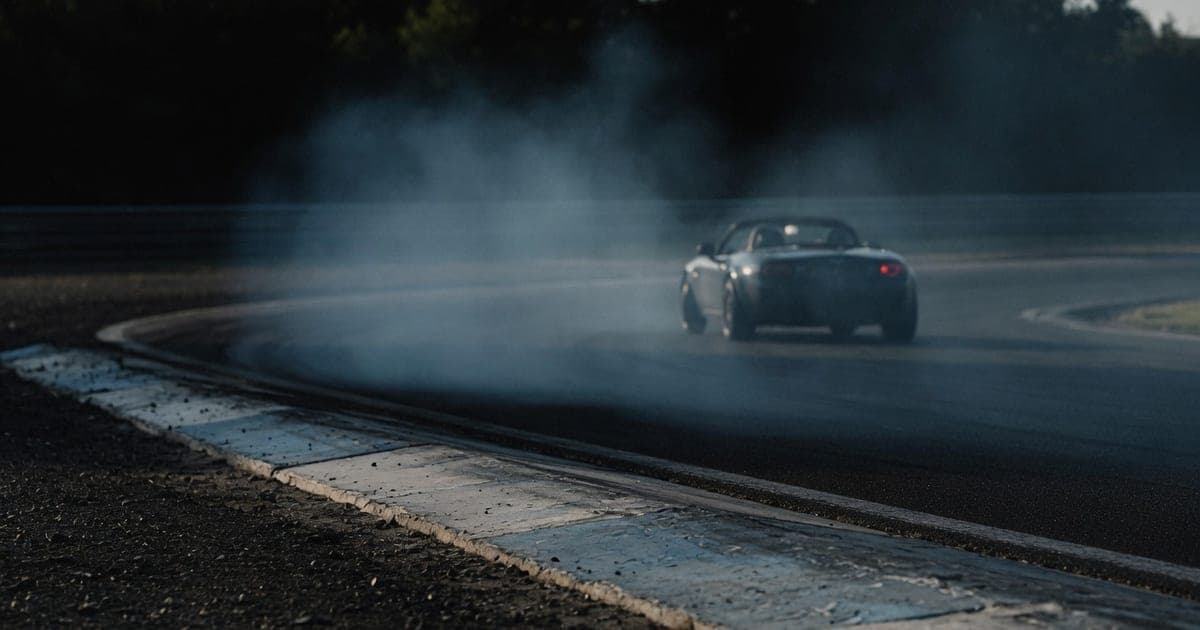
Short version: yes, the MX-5 is still the cheapest genuine way into rear-wheel-drive drifting in Australia, and the low stock power that looks like a weakness on paper is actually the reason it teaches car control better than almost anything else on the market. A welded diff is the well-worn budget answer, but a factory Torsen-equipped car is worth specifically hunting for because it gets you a real limited-slip diff for nothing extra. Grassroots events are built around this car for good reason, and the rego and cage requirements scale with how seriously you are actually using it, not one fixed national rule.
NA, NB, and the Eunos question
Two generations matter here. The NA ran from 1989 to 1997: early NA6 cars used the 1.6 litre B6 making around 116bhp, and from 1993 the NA8 stepped up to the 1.8 litre BP, around 128bhp initially and a touch more again once the Series 2 update bumped compression. The NB followed from 1998 to 2005, running the 1.8 litre BP-4W with variable intake tuning at around 142bhp, and later the BP-Z3 with variable valve timing at around 143bhp.
Both generations were sold new in Australia by Mazda, so there is no shortage of straightforward, well-documented, locally delivered cars with normal service history. Alongside those, JDM imports are common and worth understanding: the Eunos Roadster (NA) and the JDM-market Mazda Roadster (NB) are the same chassis under a different badge, often better equipped than the Australian-delivered car, with factory hardtops, a Nardi wheel on some editions, and importantly, a factory Torsen limited-slip diff fitted to more trim levels than Mazda Australia ever offered locally. Some JDM examples are also reported to run somewhat lighter than export-spec cars, thanks to lighter bumpers and fewer mandated safety items, though treat that as a minor bonus rather than a reason to import on its own. Wheels carry across both generations, and the offset calculator has an NA and NB fitment preset so you can see what a given width does before you buy a set.
The power question, and why it matters less than you think
Stock outputs across both generations sit in the 116 to 143bhp range depending on exactly which engine and market you land on, which is modest by any drift-build standard. That reads as a weakness until you actually drive one on a practice day.
Low power keeps tyre wear cheap and the grip limit forgiving, which is precisely why instructors put beginners in these cars: you learn weight transfer and clutch kicks properly because momentum is genuinely all you have, rather than masking bad habits with boost. A stock or lightly built 1.8 with the diff sorted and a spare set of wheels on old tyres is a genuinely fun, capable drift car in its own right, not a placeholder you tolerate before the real build happens.
Turbo kits exist and plenty of owners fit one once they have outgrown what stock power teaches them, and that is a well-trodden, well-supported path when you get there. It is just not a requirement to have a good time in the meantime, which is the whole point of this chassis.
Diff options: welded, factory Torsen, or aftermarket LSD
Base cars across both generations came with an open diff, which is not a drift-ready state on its own. From here you have three real paths.
Hunt for a factory Torsen car
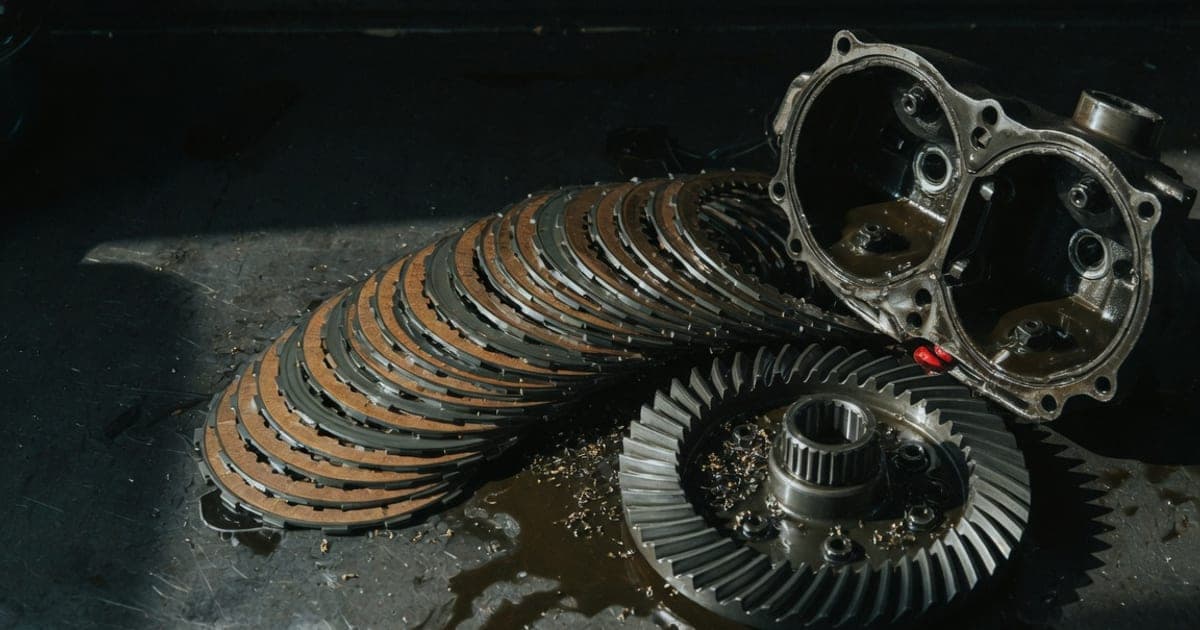
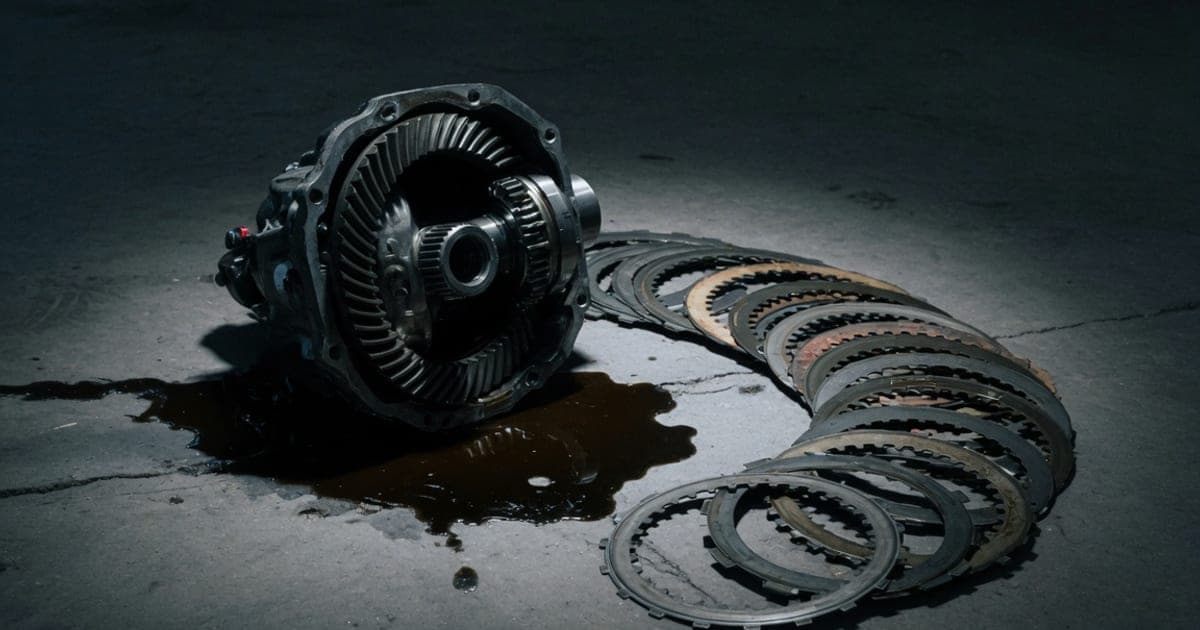
Certain trims got a genuine limited-slip diff from the factory: NA cars from 1994 with the "R" package carried a Type I Torsen, NB 1.8iS cars had Torsen fitted early, with the Type II unit available from around 1995 through to the end of NB production, and a number of JDM special editions carried one as standard as well. Finding one of these is a straight upgrade over an open-diff car for no extra work, so it is worth specifically checking for before you buy rather than assuming you will weld whatever turns up.
Weld it
The cheap, common answer, and it works: an open centre welded solid locks the rear permanently for close to nothing if you know someone with a MIG. The trade off shows up on the street rather than the track, tyre skip through tight, low-speed turns like roundabouts and accelerated driveline wear, which is why welded MX-5s tend to end up as dedicated track cars rather than daily drivers people keep welded long term.
Fit an aftermarket LSD
Clutch-type and Torsen-style limited-slip units are well supported in the aftermarket for both generations if you want a sorted diff without welding a car that still needs to see the road. For the full mechanical breakdown of why drifters lean toward a 2-way or 1.5-way clutch diff over an open or viscous unit, and what a used centre actually costs, see 1.5-way vs 2-way LSD for drifting.
Why grassroots events are built around this car
Light weight is the whole story: it is forgiving when you get it wrong, cheap to fix when you inevitably clip something, and sits under a genuinely enormous aftermarket because the same chassis has been raced and modified globally for over three decades.
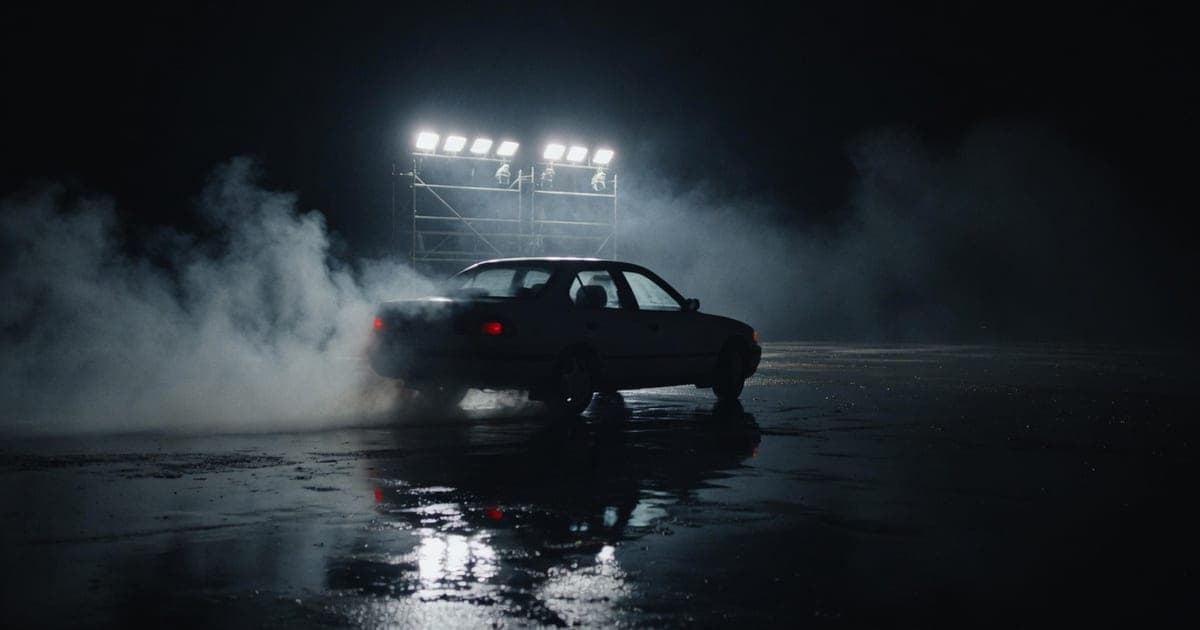
Getting started in Australia is deliberately easy. Motorsport Australia's Speed licence, roughly $120 a year and about twenty minutes to register online, covers club-level drift events, and clubs around the country run event ladders that suit exactly this car at every rung. Drifting SA is a good concrete example of how that progression actually looks: a no-cage skidpan or drift-school day at the bottom, through freestyle and intermediate practice, up to experienced and advanced sessions, and finally full competition at the top, with safety requirements that scale up at each level rather than one fixed standard applied to everyone. The MX-5 shows up at every rung of that ladder, which is exactly why instructors keep reaching for it.
ADR and rego notes for a drift-built MX-5
General information only, not legal advice, because requirements genuinely vary by event, club and state. As a pattern that holds fairly consistently: a beginner-level skidpan or drift-school day typically accepts the car as it left the factory, standard seatbelts and no cage required, aside from convertibles generally needing at minimum a half cage for rollover protection. Move up to more serious practice and competition levels and the requirements step up with you, a proper four-point harness and at least a half rollcage becoming the norm, with full competition wanting more again and no longer accepting the factory belts at all.
Separately, general Australian rule rather than anything MX-5 specific: a full weld-in cage is not typically treated as street legal, so a car that still wears a plate generally needs the front cage section removable, or the car accepts it is now track only. The same logic applies to a welded diff in practice even where it is not always spelled out explicitly in the rules: once the diff is welded, most owners treat the car as having crossed into track-only territory rather than expecting it to stay a comfortable daily. Check your own state's current position before you commit to cutting or welding anything permanent, because the specifics do shift.
Go find one
Browse the current listings for what NA and NB cars, JDM imports included, are actually asking around the country right now, and for Torsen and aftermarket LSD centres before you default to welding one. The full cost breakdown of what a budget MX-5 build actually runs, from diff to coilovers to your first season of tyres, is in what a drift build really costs in Australia, and the wider case for the MX-5 against every other cheap RWD option is in best first drift cars you can actually buy in Australia. Moving on from your MX-5, or pulled a factory Torsen diff out for something else? List it free: it is one of the most searched-for parts on the whole site for exactly the reasons above.