Lexus IS200 and Altezza SXE10 Drift Guide: Australia's Cheapest Real RWD Toyota
7 min read
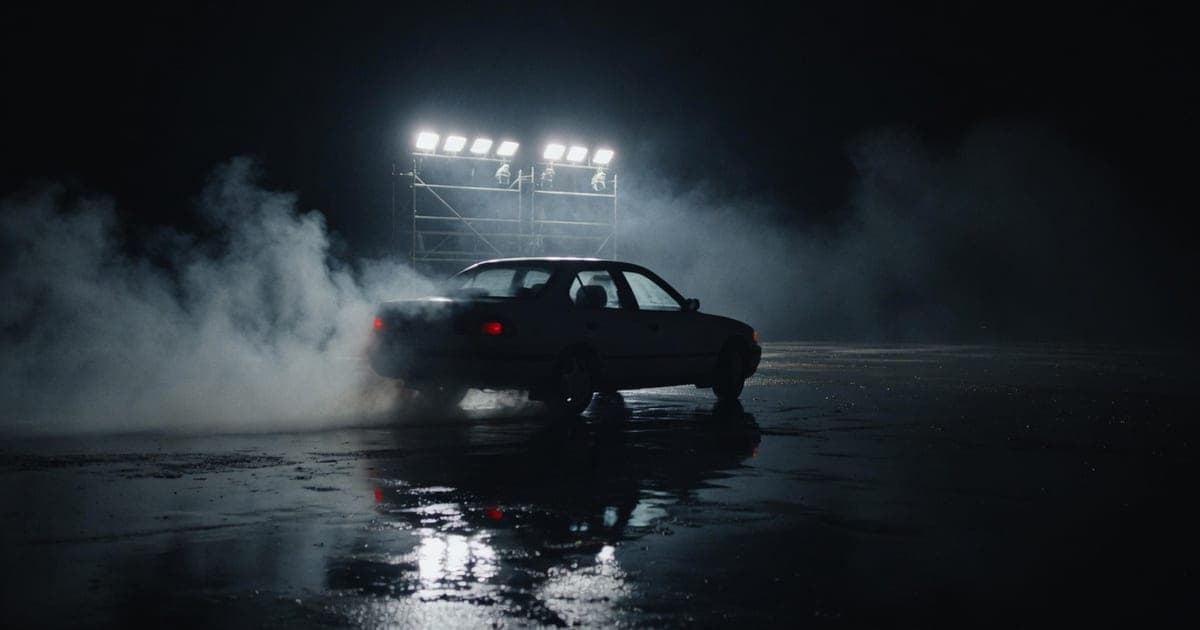
Short version: yes, an IS200 or Altezza makes a genuinely good drift car, and it is one of the cheapest ways into a real rear-wheel-drive Toyota chassis in Australia. The catch is stock power. Both the six-cylinder Lexus and the four-cylinder Altezza RS200 are modest for drift use, so most serious builds end up either N/A tuned or swapped to a 1JZ or 2JZ. Buy it cheap, learn on it close to stock, then decide how far the platform is worth taking, because the chassis itself is good enough to justify the investment.
Altezza, IS200 and IS300: what you are actually buying
This is where most people get confused, so worth getting straight before you shop.
The JDM Toyota Altezza (1998 to 2005) came in two genuinely different grades.
RS200 (chassis code SXE10)
The 3S-GE BEAMS four cylinder, 2.0 litre, dual VVT-i, individual throttle bodies, around 210PS at a screaming 7,600rpm. Paired with the J160 six-speed manual in its best form, the auto version drops output to around 200PS. This is the car enthusiasts actually mean when they say "SXE10," and it is the more interesting engine of the two.
AS200 (chassis code GXE10)
The 1G-FE inline six, 2.0 litre, around 160PS, four-speed auto only.
Lexus IS200 and IS300 (Australian delivered)
Lexus IS200, sold new in Australia by Lexus dealers, is mechanically the AS200: the same 1G-FE six, quoted locally at 114kW and 195Nm. Australian buyers got a choice of a six-speed manual or a four-speed automatic, both listed from the March 1999 launch through to the end of the run in 2005, with the manual as the cheaper of the two. Lexus also sold the IS300 new here, running the 2JZ-GE 3.0 litre six (around 157kW and 288Nm), and that one really was automatic only in Australian spec, a five-speed.
That matters for two reasons. First, because IS200 and IS300 were sold new in Australia, a locally delivered car has already cleared every compliance hurdle a JDM Altezza import still has to clear, and service history and parts support are simpler as a result. Second, a factory manual six-cylinder IS200 is an Australian-delivered car you can legitimately go looking for, so do not let anyone tell you a local manual has to be a conversion or a rebadged import. Most cars sold here were autos, which is why the manual is genuinely scarce and why the myth that we never got one keeps circulating. The four-cylinder manual is a different car again: that is the RS200, a JDM import with the BEAMS engine. Know which of the three you are chasing before you start searching classifieds, because sellers use the names loosely.
The power problem
None of these engines were built with drift in mind, and it shows. The auto IS200 in particular gets described by owners as gutless off the line, which is fair: 114kW moving a mid-size sedan is not much to work with, and the four-speed auto does it no favours. The factory six-speed manual is the better car to drive without changing the arithmetic.
The RS200's BEAMS four is the better engine on paper, but its personality works against a beginner. Peak power arrives at 7,600rpm, which means you are revving hard just to get the car moving, let alone sideways. That is a brilliant engine for a track day and an awkward one for learning clutch kicks and throttle control at a grassroots practice day, where low-speed manners matter more than a screaming top end.
The practical upshot: buy this chassis cheap, accept that stock power is a limitation rather than a feature, and treat the first season as chassis learning, not power learning.
What people actually do about it
N/A tune the RS200
Individual throttle bodies and dual VVT-i respond well to cams, extractors and a proper tune. You keep the character of the engine and pick up real, usable gains without the swap bill.
Forced induction on the stock six
Discussed in owner forums, rarely executed well. It is not a well trodden path in Australia and you would be sorting fuelling and management mostly on your own. Not the recommended route unless you specifically want to be the guinea pig.
Engine swap
The real answer for most people serious about building the car past its first season, and the reason this chassis has a dedicated following in the first place.
1JZ and 2JZ swap options: the real reason to buy one
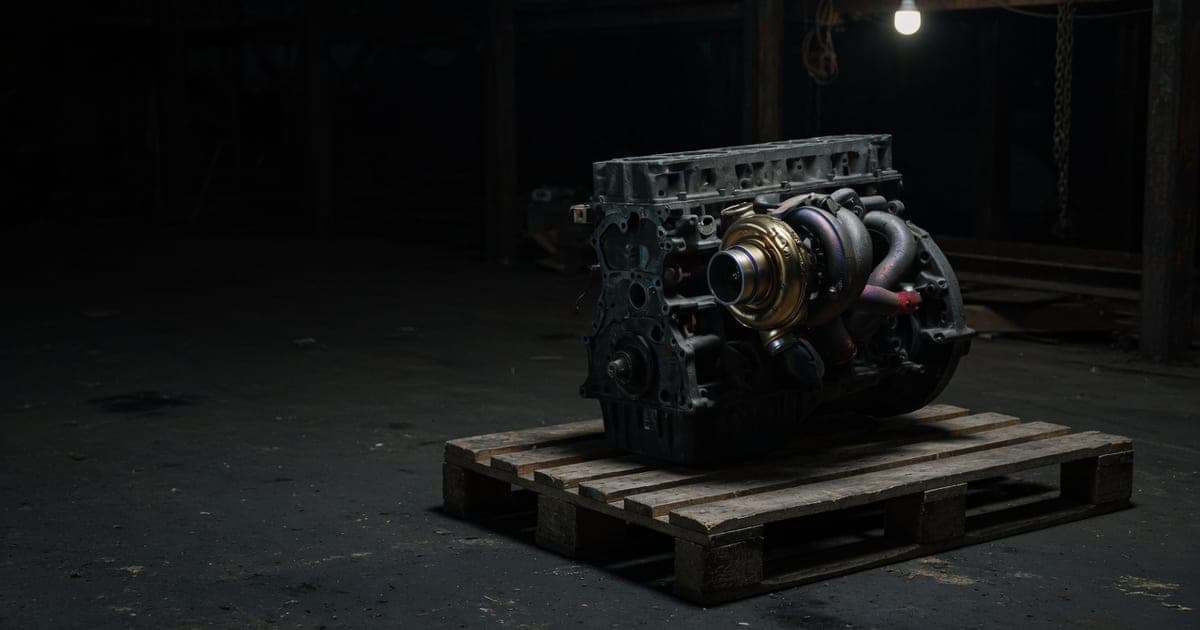
This is a well documented swap in Australia, not something you are improvising alone. Toyota enthusiast forums carry build logs and specific threads on mounting a 1JZ or 2JZ into the SXE10 and GXE10 shells, and there are shops with runs of them under their belt.
The genuinely useful detail: because the IS300 was sold new in Australia with a factory 2JZ-GE, IS300 mounts, wiring reference and driveshaft data already exist locally. That means a 2JZ-GTE swap sourced from a Supra or Soarer can lean on IS300 hardware as a starting point rather than adapting Supra-side components from scratch, which meaningfully de-risks the job compared with dropping the same engine into a chassis that never carried a Toyota inline six.
It is still not a bolt-in weekend job. Driveshaft length is diff specific, because the ABS sensor position on the diff affects where the shaft is cut, so you need a shaft matched to your actual diff, not a generic one off the shelf. Mounts matter too: builders who have taken shortcuts with non-IS300 mounts and driveshafts have had to redo the job properly to get acceptable ride quality. Do it once, with the right parts, rather than twice.
Some builders push the engine further back in the bay for better front-rear weight distribution. That is a legitimate and common move, but custom engine mounts of that kind pull you into engineering and compliance territory that a straight like-for-like swap does not. Know that going in rather than discovering it at a roadworthy inspection.
On the 1JZ versus 2JZ question itself: the 1JZ is the cheaper, more compact path (see the full breakdown of what a complete 1JZ-GTE typically costs in Australia in SR20 vs RB25 vs 1JZ), while the 2JZ is the bigger, torquier unit and commands more money for a comparable twin-turbo example, especially now that Supra values are dragging every JZ-badged part upward. A half cut is usually the cleanest way to land either engine complete with loom, ECU and pedal box rather than chasing a bare long motor and half its ancillaries separately; our half cuts guide covers how that actually works for Australian buyers.
Why it is underrated as a first drift car
Running, driving IS200 autos in ordinary condition turn up for genuinely cheap money in Australia, with tidier examples, locally delivered six-speed manuals and manual RS200 imports asking more. Whatever the exact number on the day, it sits well under S-chassis money and in similar territory to the other budget RWD options already worth considering, an E36, a Commodore, an MX-5.
The chassis itself is a well balanced RWD sedan, and because it was sold new here as the Lexus IS200 and IS300, finding a straight, rust-free, honestly documented example is a realistic ask, unlike a pure JDM-only import where you are trusting an auction sheet and a shipping agent. Aftermarket coilover and bush support exists, not at S-chassis volume, but enough that you are not fabricating your own brackets. That is the opposite of the AE86 parts market, where the parts hunt is the hobby.
The smart way to run this platform is in stages. Buy it cheap, learn the chassis on stock or mildly tuned power, and only commit to the 1JZ or 2JZ swap once you know you are staying in the sport. Plenty of people never need to swap it at all and have a great time on a well set up N/A car; the swap is there for when you decide you want it, not a requirement from day one. For a wider view of how this compares with every other cheap RWD option in the country right now, best first drift cars you can actually buy in Australia is worth reading before you commit to any single chassis.
Buying one and the compliance side
If the swap is the plan from the outset, starting from an IS300 rather than an IS200 gets you factory 2JZ-GE mounts and wiring as a baseline, even if you intend to step up to the GTE later. It is a smart shortcut for anyone who already knows where the build is heading.
If you are chasing the RS200 specifically, remember it is a JDM import, not a locally delivered car. General information only, not legal advice: used vehicle imports into Australia go through whatever the current approved pathway is, and the rules are worth checking fresh before you commit money, because they are not the same as buying a locally delivered IS200 or IS300 that already carries full compliance. On the swap itself, any engine change into a car that did not come with that engine needs engineering approval in every state, and that requirement only gets more involved if you have relocated the engine for weight distribution. Budget the engineering time and cost alongside the swap parts, not after them.
Go find one
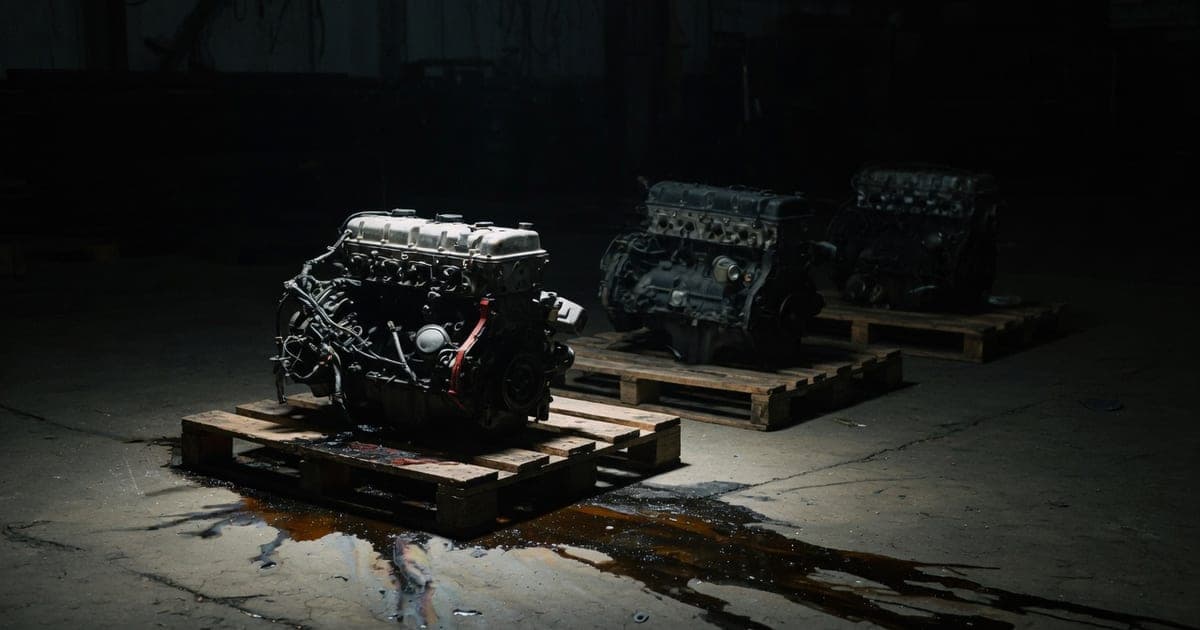
Browse the current listings for what IS200, IS300 and Altezza examples are actually asking around the country, and for 1JZ and 2JZ options if the swap is already the plan. If you have picked up a car for the swap and the factory six is coming out complete and running, do not scrap it: list it, because someone building a stock-power weekend car wants exactly what you are pulling out. List it free and let the next builder find it.