Cheap Drift Cars Under $10k in Australia: What Each Budget Actually Buys in 2026
9 min read
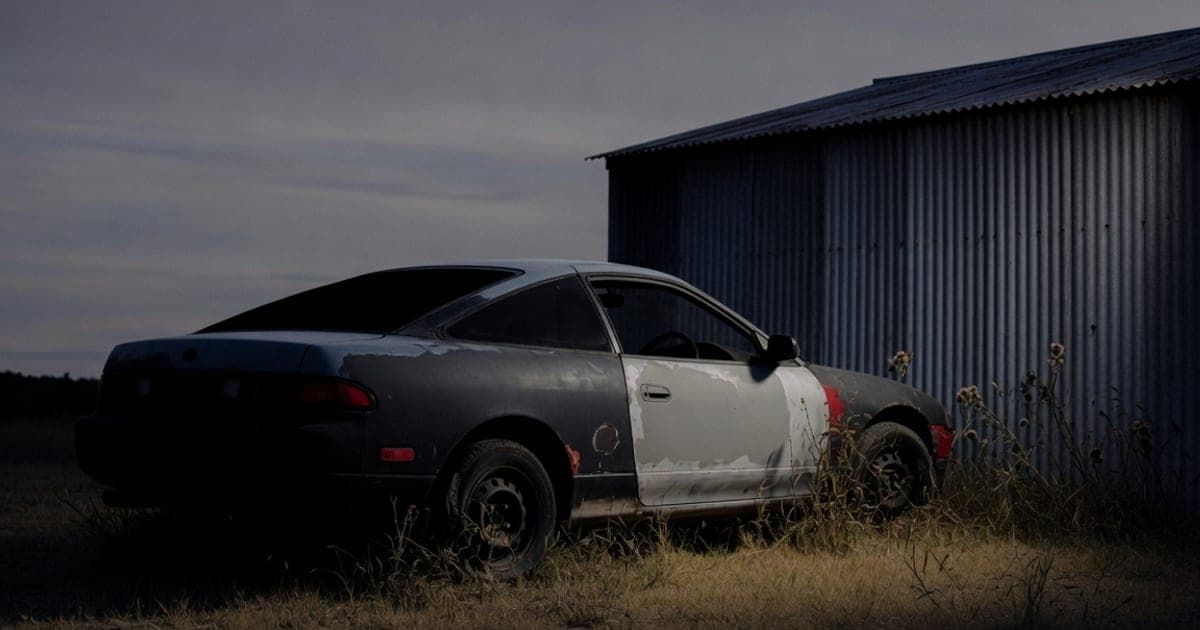
Short version: under $5,000 in Australia buys a tired, usually unregistered or non-running RWD project that needs work before it turns a wheel. Five to ten thousand buys a running, registered, honest six-cylinder Commodore, Falcon or E36 that you can drive to a skid pan. Ten to fifteen thousand buys a good example of those, or a rough S-chassis project, or a decent MX-5. The trap that catches everyone is thinking the purchase price is the cost. It is not. A $6,000 car needs roughly $3,000 to $5,000 of diff, seat, helmet, tyres and consumables before it completes a first event day, so buy the cheaper car and keep the difference.
Every "best cheap drift car" list you have read was written for the American or British market, where a running RWD coupe costs a fraction of what it costs here. Ignore all of it. Here is what your money actually does in Australia.
The only number that matters: total cost to first event
Work backwards from the day you want to have, not the car you want to own. To turn any cheap RWD car into something that can complete a practice day, you need, at minimum:
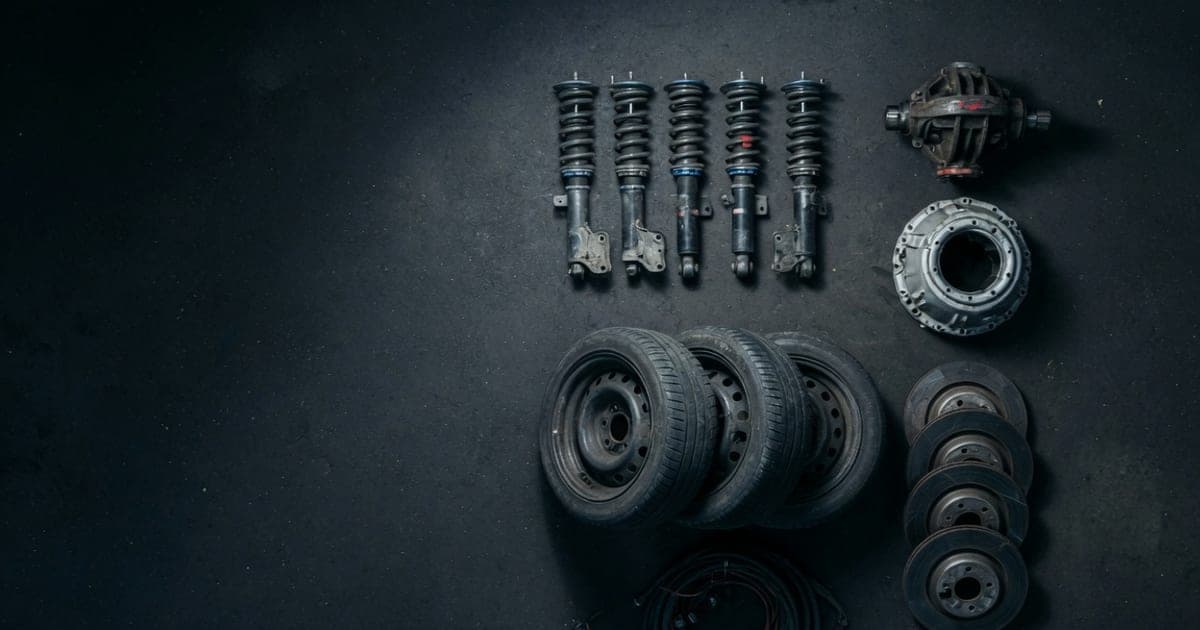
- A diff solution. A welded open diff is commonly $100 to $400 at a driveline shop, or the cost of a beer if a mate has a MIG and you have a spare centre. Not road legal anywhere in Australia, which is the moment the car stops being a road car.
- A seat you will not slide out of. A usable secondhand fixed-back or reclinable bucket typically runs $250 to $800, plus rails and proper mounting. The mounting is not the place to save money.
- A helmet. Budget $300 to $700 for a basic track day helmet meeting the Australian standard. If you progress to Motorsport Australia competition, the required specification climbs and so does the price: name-brand FIA and Snell-rated helmets commonly run from around $700 well past $1,200. Buy helmets new, always.
- Tyres. Budget rears commonly land $80 to $150 a corner, and you will destroy two to four of them in a day when you are learning. This is the line item that never ends.
- Entry, fuel and getting there. A practice day with entry and fuel commonly runs $250 to $500 before tyres.
Add it up honestly and the gap between the car and the first event is usually $3,000 to $5,000, even doing everything secondhand. That is the whole reason a $5,000 car with $5,000 behind it beats a $10,000 car with nothing behind it. The itemised version of that spend, tier by tier, is in what a drift build really costs in Australia.
Under $5,000: project money
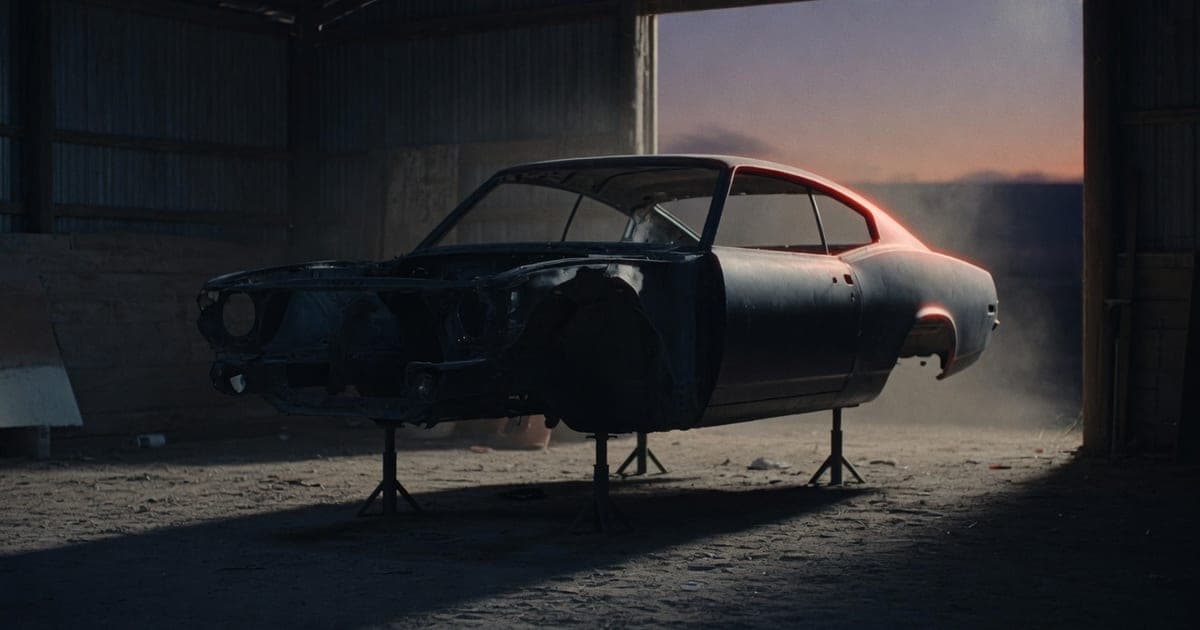
Be clear-eyed about this band. At this price in 2026 you are buying one or more of the following problems: no registration, no roadworthy, a non-running engine, a blown gearbox, an automatic where you wanted a manual, or a body with real rust. Sellers at this level are usually clearing space, not marketing a car.
What genuinely turns up:
- VS to VZ Commodore and EL to BA Falcon, high kilometres, often ex-fleet, sometimes with a dead auto. The mechanically simplest option in the country and the cheapest to keep alive, because every wrecker has parts. Which Commodore generation to chase matters more here than the kilometres do.
- Early E36 BMWs, including project 318is cars advertised with no roadworthy and no rego. They surface regularly around and just above the $2,000 mark in project condition. The four-cylinder 318 is the cheap one and the six-cylinder cars cost more.
- Non-running or unregistered anything. A Falcon advertised as "does not currently run" sitting near this band is a normal listing, not a scam.
The honest verdict on this band: it works if you can weld, diagnose and wait, and if you have a shed. It does not work as a first car for someone who wants to drift this season, because the money you save on purchase gets spent twice on getting it running. If you have $5,000 total and no tools, spend $2,500 on the car and $2,500 on making it drift, or wait a month and buy into the next band.
$5,000 to $10,000: the sweet spot
This is where a cheap drift car in Australia actually lives. At this price you can buy a running, registered, roadworthy, manual six-cylinder car with no structural rust, which is exactly the right first drift car.
- VT to VZ Commodore: commonly $3,000 to $9,000. Ecotec and Alloytec V6 manuals are the budget hero. Big, heavy, slow, readable and utterly disposable, which is why they are so good to learn in.
- BA to BF Falcon XR6: commonly $3,500 to $12,000, with manuals carrying a premium and the turbo cars well above this band. Barra torque for Commodore money.
- E36 and E46 BMW: commonly $4,000 to $12,000, with running registered E36s clustering right in the middle of this band. Six-cylinder versions have the torque to steer on throttle. Budget immediately for the entire cooling system, because on these cars the plastic parts fail on schedule.
- NA and NB MX-5: commonly $6,000 to $14,000. Cheap consumables, brilliant teacher, and the tyre bill is the lowest in the sport. Check you fit with a helmet on before you commit.
At this price you are buying condition and paperwork, not power. Rust is the thing to reject on. Kilometres are almost irrelevant on a car that is about to be driven sideways into a tyre wall. A straight, boring, well-serviced car at $7,000 is worth more than a modified one at the same money, because you inherit somebody else's decisions with the modified car and you do not know which ones were good.
$10,000 to $15,000: good examples, or a rough hero car
Here the fork appears. You can buy a genuinely nice example of everything in the band above, with a service history and no jobs pending, or you can buy the bottom rung of the aspirational chassis.
- The good version of a budget car: a tidy manual XR6, a clean E46, a sorted NB MX-5, all with money left over. This is the smart buy and almost nobody makes it.
- Rough S-chassis: the cheapest S13 and 180SX listings do exist at the bottom of this band, and the S-chassis market spans an enormous range, from a few thousand for a wreck to well past sixty for a clean one. What you get down here is a project with a story: unknown import history, previous drift damage, sometimes no engine. A tidy S13 or 180SX realistically sits far above this band now. Read the S-chassis buyer's guide before you get emotionally invested, because at this price the rust and crash-repair questions decide everything.
- 350Z: starts around the top of this band, commonly $9,000 to $18,000. Needs a diff and coilovers and nothing else to be a competent skid car.
The honest verdict: at this budget, the boring good car plus a full set of parts beats the exciting rough car with nothing behind it, every single time. If you want the platform-by-platform version of that argument, it is in best first drift cars you can actually buy in Australia.
Which chassis survive the budget end
Survival at this price is about three things: cheap panels, deep wrecking supply, and a structure that tolerates abuse.
Survivors. Commodores and Falcons, because every wrecker in the country has front bars, guards, lights, tailshafts and diffs, and because the drivetrains are agricultural. E36 and E46 BMWs, because the aftermarket and the secondhand parts pool are enormous and the chassis takes lock and abuse well. BMW's cheap rear-drive end covers how the E30 compares on parts supply. MX-5s, because everything is available and the running costs are the lowest in the sport, which is why the MX-5 keeps winning at this money. The SXE10 Altezza and IS200 belong in the same bracket and get overlooked more often.
Buy carefully. S-chassis at the cheap end are cheap for a reason, and rear subframe mounting points on hard-used cars are a known area to inspect closely for cracking and tearing before you buy. Any car with a previous drift life needs the whole underside checked properly rather than trusted.
The universal killer is rust, not kilometres. Sills, floor pans, chassis rails, strut towers and suspension mounting points decide whether a cheap car is a bargain or a scrap value. Take a torch and a screwdriver to every one of them. A car that fails on structure is not negotiable down, it is walked away from.
What is actually a money pit
- Automatics bought "to convert later". The conversion costs more than the price difference and eats a season. Hold out for a manual.
- All-wheel drive cars to be converted to RWD. The conversion money buys a better RWD car outright. This has always been true and it is still true.
- Rotaries as a first cheap car. Superb drift engines, but an unknown-history 13B is a rebuild lottery with a four-figure entry fee, and a beginner does not need that variable. The RX-8 is where most people meet the rotary trap at this price.
- The 95 percent finished project. The cheapest listings in this whole market are half-built drift cars, and they are cheap because the previous owner ran out of money, motivation or talent. What is missing is never itemised, is always more than described, and is usually the expensive stuff. Experienced builders find genuine bargains here. First-time buyers do not.
- Anything with structural rust at any price. Repeating it because it catches somebody every week.
- A car bought with the last dollar. The single most common money pit is a good car owned by someone who cannot afford to run it. It sits under a cover and gets sold at a loss in eight months.
How to buy at this end without getting burnt
Run a PPSR search before you hand over money on any registered car. It costs a couple of dollars and tells you whether there is finance owing and whether the car has been written off. Understand what it does not do: a PPSR search does not show general accident or repair history unless the car was formally written off, so a car that has been crashed and rebuilt privately looks clean on paper. Your torch and your eyes are the only crash history report you get.
If you are on a provisional licence, run the variant through your state's high powered vehicle checker before you get as far as a PPSR search, because a cheap turbo car you are not permitted to drive is not cheap. The state by state version of that test, including why the power to weight sum does not settle it, is in the P-plate rule for drift cars.
Beyond that: see the car cold, start it cold, drive it, get underneath it, and take someone who knows the chassis. Never transfer a holding deposit to a seller you have not met, because the deposit scam is alive and well in this market and the anti-scam guide walks through exactly how it runs.
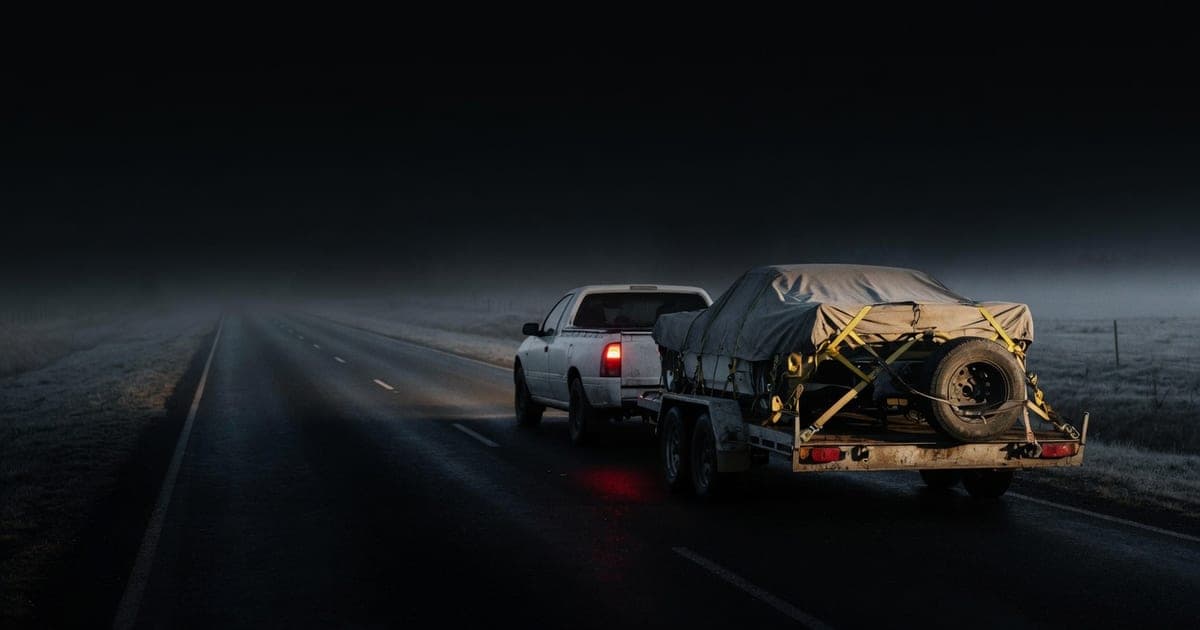
If the car is being sold without registration, price in what that means: transport home, a permit or a trailer, and a roadworthy inspection with an unknown bill at the end of it. The track-only and unregistered car guide covers that side properly.
Go and look at what your number buys
Browse the live listings to see what is actually for sale right now at each band, including half-built projects and cars being sold with the diff, seats and coilovers already fitted, which is frequently the cheapest way into the sport that exists. Then check the wheels and tyres listings and the suspension side for the secondhand parts that turn a boring cheap car into a drift car for a fraction of retail.
Upgrading out of your first cheap car, or selling the project that never got finished? List it free and let the next person start where you left off.